








The Vision and The Price Tag
Behind the magic of models like ChatGPT lies a colossal need for computational power. OpenAI's goal of achieving Artificial General Intelligence (AGI) requires an infrastructure build-out of unprecedented scale. To get there, the company is orchestrating
a spending plan projected to reach approximately $750 billion by 2030. This figure, which has been revised upwards from earlier estimates, reflects the immense cost of securing the processors, data centers, and energy required to train and run next-generation AI systems. The plan includes not only massive contracts with cloud providers like Microsoft and Amazon but also a strategic move into building its own data centers to gain more control over its foundational hardware.
A New Era of Data Centers
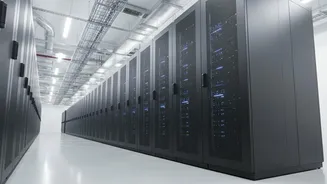
The data centers required for advanced AI are fundamentally different from traditional cloud facilities. They are dense, power-hungry ecosystems built around massive clusters of GPUs that must work in perfect synchrony. Recognizing this, OpenAI is taking a more direct role in its infrastructure future. A key early step is 'Project Camellia,' a $20 billion data center campus planned for a 1,400-acre site in Georgia. This single project is expected to demand at least 3.2 gigawatts of power, with capacity coming online in phases between 2028 and 2032. This move signals a broader industry shift where leading AI labs are no longer just consuming cloud services but are actively shaping the design and location of the energy-intensive infrastructure they depend on.
The Energy and Supply Chain Challenge
Throwing money at the problem isn't enough. The two biggest constraints on this ambitious scaling plan are energy and the global supply of specialized hardware. A single, large AI data center can consume as much electricity as tens of thousands of homes, placing immense strain on local power grids. The planned Georgia campus, for instance, will be responsible for roughly one-third of a massive new power generation build-out by the local utility, much of which will rely on natural gas. This highlights a global challenge: the world may not have enough readily available clean energy to power the AI boom, forcing uncomfortable trade-offs. Furthermore, the plan depends on securing a steady supply of advanced AI chips from manufacturers like Nvidia, creating a competitive bottleneck for the entire industry.
The Crucial Microsoft Partnership
At the heart of OpenAI's strategy is its deep, multi-faceted partnership with Microsoft. Microsoft is not just a major investor with a stake valued in the hundreds of billions, but also its primary infrastructure provider. The demands of OpenAI's models are pushing Microsoft to fundamentally re-architect its Azure cloud platform for AI-native workloads, accelerating innovations in cooling, networking, and GPU density. While OpenAI has recently ended its exclusive cloud agreement to allow for partnerships with other providers like Amazon and Oracle, Microsoft remains its 'primary cloud partner'. Microsoft will continue deploying OpenAI's models first on Azure and will receive a revenue share from OpenAI through 2030, ensuring their futures remain tightly linked for years to come.