





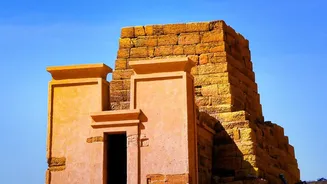


Peak Season: The Premium Experience (October–April)
The period from October to April is widely considered the best time to visit Egypt for one simple reason: the weather is fantastic. Daytime temperatures are mild and pleasant, making it comfortable to explore the sprawling temple complexes of Luxor and Karnak
or wander around the Pyramids of Giza. This is Egypt's peak tourist season, attracting the largest number of visitors. The trade-off for this ideal climate is significant. Expect historical sites to be bustling with tour groups, especially around Christmas, New Year's, and Easter. Accommodation and flight prices are at their highest during these months, so booking well in advance is essential. This season is for the traveller who prioritises comfort and is willing to pay a premium for the best possible weather while sharing the experience with many others.
Low Season: The Budget Traveller's Gamble (May–September)
From May to September, Egypt experiences intense summer heat, with temperatures in southern cities like Luxor and Aswan regularly climbing above 40°C. This extreme weather deters many tourists, making it the low season. The primary benefit is financial; this is the cheapest time to visit Egypt. Travellers can find significant discounts on flights, hotels, and even Nile cruises. Another major advantage is the lack of crowds. Imagine having the majestic temples of Abu Simbel or the Valley of the Kings almost to yourself—an experience impossible during peak season. However, the heat is a serious factor. Sightseeing is often restricted to the very early morning or late afternoon to avoid the punishing midday sun. This season works best for budget-conscious travellers who can tolerate extreme heat and value exploring iconic sites in relative solitude.
Shoulder Seasons: The Best of Both Worlds? (March-April & October-November)
The shoulder months—specifically March, April, October, and November—often represent a strategic sweet spot for visiting Egypt. During these periods, the weather is generally warm and pleasant, without the oppressive heat of summer or the chill of winter nights. October, in particular, is often cited as an excellent month as the summer heat has subsided, but the peak season crowds have not yet fully arrived. Similarly, March and April offer a great balance before the summer heat truly sets in. While you won't find the rock-bottom prices of summer, costs are more moderate than during the winter peak. Crowd levels are also more manageable, providing a more relaxed sightseeing experience. For travellers looking for a balanced equation of good weather, moderate costs, and fewer people, the shoulder seasons are often the most valuable choice.
The Constant: Unrivalled Historical Interest
Regardless of when you visit, the one constant is Egypt's unparalleled historical treasure. The Pyramids of Giza, the Sphinx, and the temples dotting the Nile have stood for millennia and their magnificence is not seasonal. What changes is your experience of them. In the winter, you might share your view of the Sphinx with hundreds of others, while in the summer, you might have a more personal, albeit sweat-drenched, encounter. A Nile cruise is a fantastic way to see the country in any season, but the experience differs. A summer cruise offers a refreshing breeze on the river and less crowded ports, while a winter cruise allows for long, comfortable hours on the sun deck. Ultimately, the historical interest is always there; the key is to choose the season that makes accessing it most enjoyable for you, based on your tolerance for crowds, heat, and your personal budget.