






What Exactly is a Destination Dupe?
The term 'destination dupe', borrowed from the beauty and fashion worlds, refers to a lesser-known location that offers a similar experience to a world-famous hotspot. Think similar architecture, landscapes, food, or overall atmosphere, but without the chaotic
crowds and inflated prices. This trend has surged in popularity as travellers become more budget-conscious and seek more authentic experiences. Instead of joining the long queues in Paris, you might opt for the romantic charm of Ljubljana, or swap the packed beaches of Santorini for the quieter, equally stunning shores of Paros. It’s about travelling smarter, not cheaper in quality, by discovering hidden gems that deliver the same holiday magic.
Why is Everyone Talking About Dupes?
Several factors are driving this shift. The primary motivator for many is cost. With rising travel prices, a dupe destination allows your budget to stretch further, meaning more money for experiences rather than just expensive accommodation. Another major reason is avoiding overtourism. Popular destinations are often strained by visitor numbers, which can dilute the local culture and harm the environment. By choosing an alternative, travellers can enjoy a more relaxed and meaningful connection with the place. This approach also helps distribute tourist spending more evenly, supporting local economies in emerging destinations that welcome the visitors. For many, there's also the appeal of discovering somewhere new and having a more unique story to tell.
Indian Dupes: Explore Your Own Backyard
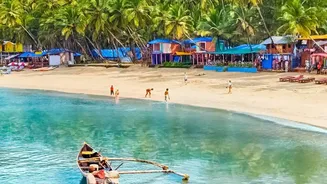
The destination dupe trend isn't just for international travel. India offers a wealth of incredible alternatives to its own popular tourist circuits. If the crowds of Goa feel overwhelming, the laid-back beaches and quieter vibe of Gokarna in Karnataka offer a fantastic substitute. For those seeking the spiritual, mountainous feel of Ladakh but want a different perspective, Sikkim provides breathtaking Himalayan views, monasteries, and a unique culture. Similarly, instead of the often-crowded Nainital, consider Tawang in Arunachal Pradesh for stunning lakes and lush scenery. History buffs who have explored Hampi can find equally impressive architectural marvels from the Chola dynasty in Thanjavur, Tamil Nadu, with fewer people to navigate around.
Global Examples to Inspire Your Next Trip
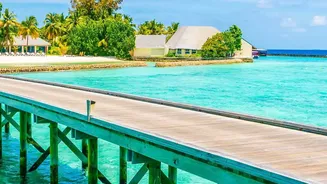
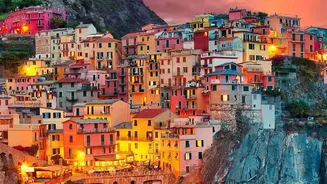
The world is full of amazing swaps for the perpetually popular. If you love the canals of Venice but not the crowds, Aveiro in Portugal offers a similar waterside charm. Instead of the high-end ski resorts of the French Alps, the mountains of Georgia offer incredible slopes at a lower cost. For that iconic Greek island feel of whitewashed villages and blue waters, the islands of Milos or Paros are excellent, more peaceful alternatives to Santorini. And if you're dreaming of a Maldivian overwater bungalow, the crystal-clear waters of Lakshadweep might offer a similar paradise closer to home. These places aren't exact replicas, but they provide a comparable atmosphere, allowing for a fresh travel experience.
How to Find Your Own Destination Dupe
Finding your own travel dupe is part of the adventure. Start by identifying what you truly want from a holiday. Is it the historical architecture, the beach life, the food scene, or the mountain landscapes? Once you know the core experience you're after, you can search for alternatives. Use search terms like "alternative to [popular city]" or "places like [famous destination] but cheaper." Travel blogs, social media travel creators, and forums are great resources for discovering off-the-beaten-path suggestions. Look for places that are often mentioned as 'up-and-coming' or are popular with local tourists. The goal isn't to find a perfect copy, but to find a place that captures the spirit of the holiday you envision.