



Teff: The Tiny But Mighty Grain
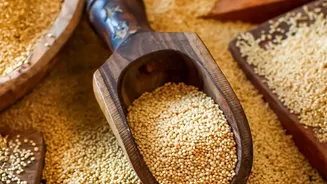
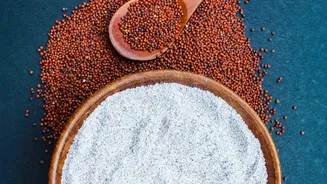
Teff is perhaps the most famous of Ethiopia's ancient grains, and for good reason. The grain itself is minuscule, about the size of a poppy seed, but it packs a serious nutritional punch. Naturally gluten-free, teff is celebrated for being rich in protein,
fibre, and essential minerals like iron and calcium. In Ethiopia, teff flour is traditionally fermented to create injera, a spongy, sour flatbread that serves as both the plate and utensil for many meals. The flavour of teff is mild and nutty, with lighter varieties being more subtle and darker ones offering a more earthy taste. Beyond injera, whole teff grains can be cooked into a creamy porridge, similar to polenta, or used to add texture to salads, soups, and stews. It cooks relatively quickly, usually in about 15-20 minutes, making it a convenient option for a healthy side dish.
Sorghum: The Familiar Favourite
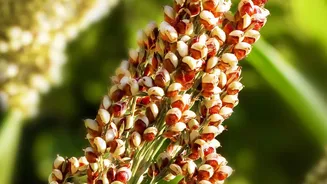
While sorghum is grown worldwide, it originated and was first diversified in Ethiopia. For many in India, this grain is already a familiar staple known as jowar. Exploring its Ethiopian context offers new ways to appreciate it. In Ethiopia, sorghum is incredibly versatile, used to make flatbreads (kitcha), porridges, and traditional beverages. It is a hardy, drought-resistant crop crucial for food security in many regions. Like teff, sorghum is gluten-free and a great source of complex carbohydrates and protein. Its flour can be used to make a denser, heartier flatbread than those made with teff. The whole grains can be popped like corn for a snack or boiled and used as a base for salads and grain bowls, much like you would use millets or quinoa. Its mild, slightly sweet flavour makes it an excellent canvas for the bold and spicy stews, known as 'wot', that are central to Ethiopian cuisine.
Fonio: The Quick-Cooking Wonder
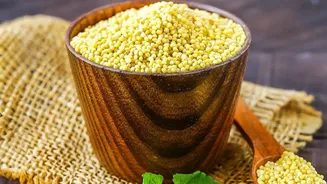
Often hailed as the 'new quinoa', fonio is an ancient grain from the millet family that has been cultivated in parts of Africa for over 5,000 years. While most prominent in West Africa, its cultivation extends to countries like Ethiopia where it is valued for its resilience. Fonio is beloved for its light, fluffy texture, which is similar to couscous, and a delicate, nutty flavour. One of its biggest advantages is its incredibly fast cooking time—it can be ready in as little as three minutes. Nutritionally, fonio is a star. It is naturally gluten-free, rich in iron, zinc, and B vitamins. It also contains important amino acids that are often lacking in other grains. Fonio is excellent for managing blood sugar levels due to its low glycemic index. You can use it as a substitute for rice or quinoa, toss it into salads, use it to thicken soups, or enjoy it as a breakfast porridge.
Emmer: The Ancestor of Wheat
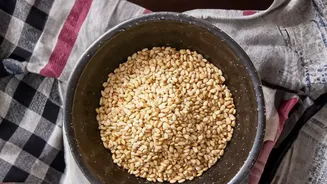
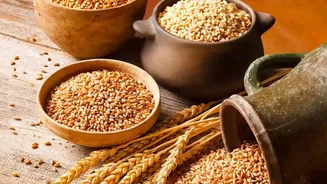
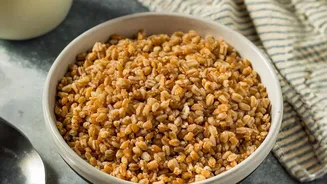
Emmer, known in India as khapli wheat, is one of the very first crops ever domesticated in the Near East and has a long history in ancient Ethiopia. This hulled wheat is an ancestor of modern durum wheat, which is used to make pasta. Unlike the other grains on this list, emmer is not gluten-free, but its gluten structure is different from modern wheat and some people find it easier to digest. Emmer has a wonderfully firm and chewy texture when cooked, and it retains its shape well, making it perfect for pilafs, hearty soups, and rustic salads. It offers a rich, nutty flavour that is more pronounced than common wheat. Nutritionally, it is superior to many modern wheat varieties, with higher levels of protein, fibre, and minerals like magnesium and zinc. You can use whole emmer berries as a substitute for brown rice or farro, or use its flour to bake flavourful, dense breads.