
A Taste of India in Orbit
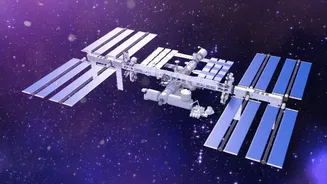
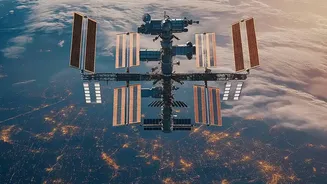
Group Captain Shubhanshu Shukla became the second Indian in space when he flew to the ISS as part of Axiom Mission 4 in June 2025. For his mission, a special menu was curated to give him a taste of home. The Defence Food Research Laboratory (DFRL) in Mysuru,
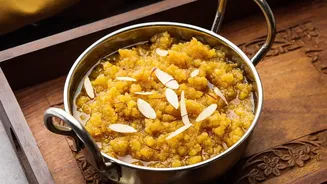
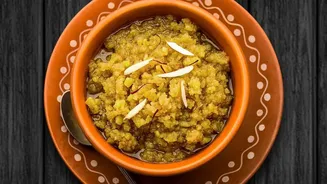
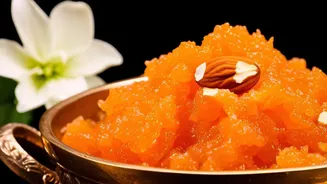
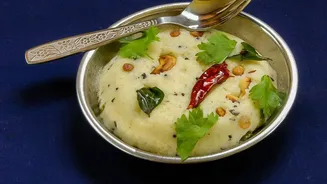
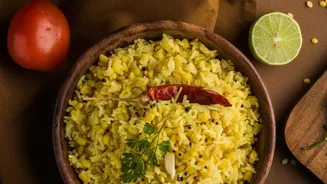
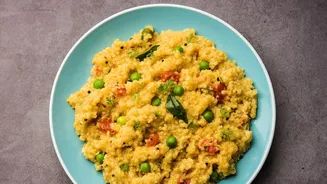
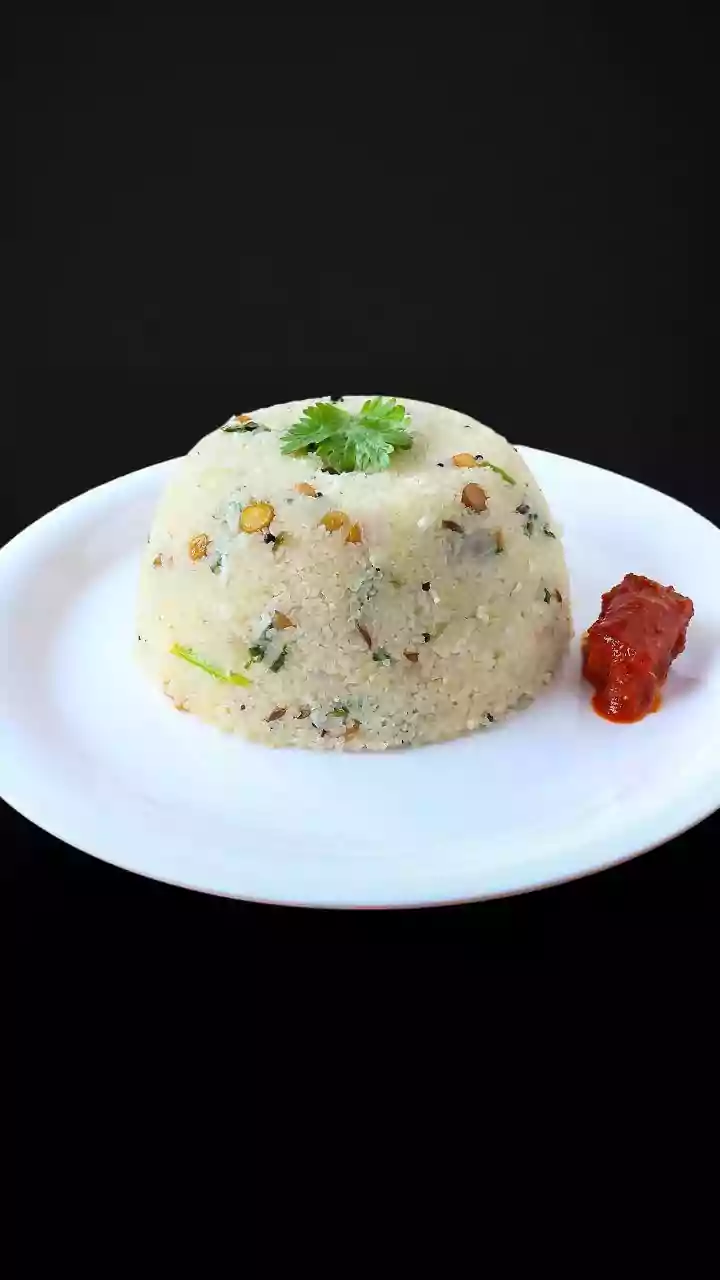
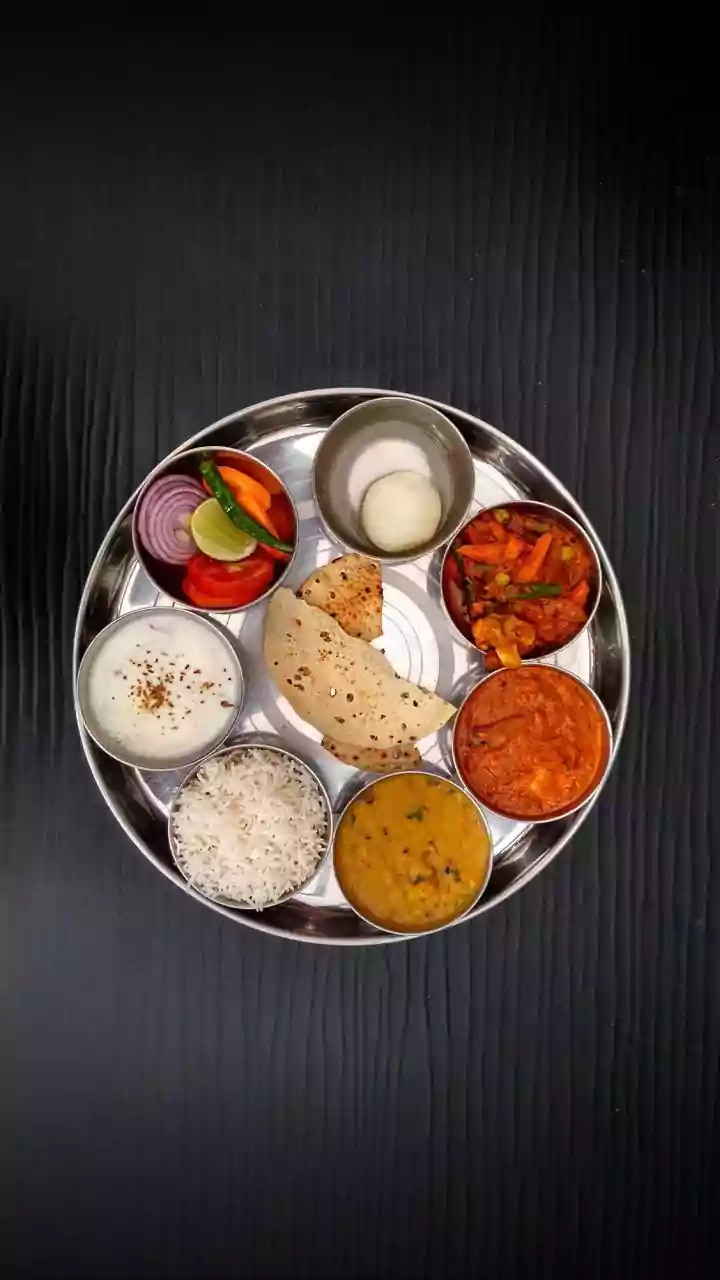
which has been developing food for India's armed forces and its space program, prepared several dishes. While an extensive menu including favourites like khichdi and pulao was initially planned, only three sweet items were ultimately certified by NASA for the flight: Gajar ka Halwa, Moong Dal ka Halwa, and Aamras (mango nectar). These dishes were not just for Shukla; he shared them with his international crewmates, giving them a delicious sample of Indian cuisine.
The Science of Zero-Gravity Cooking
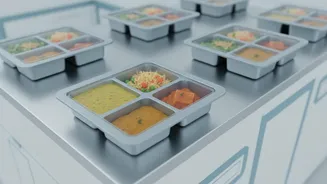
You can't just pack a tiffin box for space. Food must be lightweight, compact, nutritious, and have a long shelf life without refrigeration. The main challenge is microgravity. Crumbs, for instance, don't fall to the floor; they float, posing a hazard to equipment and astronauts' airways. This is why bread is typically replaced with tortillas and seasonings like salt and pepper are used in liquid form. The food developed by DFRL undergoes rigorous processing. Methods like thermostabilization (heat-sealing food in a pouch to kill microbes) and freeze-drying (removing water to prevent spoilage) are key. These processes ensure the food is safe to eat and easy to consume, often by just adding water or heating the pouch.
Dining in a Weightless World
Eating in space is an unusual experience. Astronauts strap themselves down to prevent floating away. Food packages and utensils are secured with Velcro and magnets. The act of eating itself changes. In microgravity, body fluids shift upwards, causing a stuffy-nose sensation similar to having a cold. This can dull the sense of smell and taste, making food seem bland. As a result, many astronauts crave spicier, more intensely flavoured foods. Towards the end of his mission, Shukla himself mentioned craving salty and spicy food, a common experience for space travellers.
More Than Just Sustenance
Food in space is about more than just calories and nutrients; it's a critical morale booster. Sharing meals is an important social ritual that helps astronauts bond and relax. For astronauts on long-duration missions, far from friends and family, familiar food provides a powerful psychological link to home and culture. The presence of Indian sweets on the ISS wasn't just a culinary first; it was a way of sharing a piece of Indian heritage. Research has shown that the variety and quality of food can significantly affect an astronaut's performance and well-being during prolonged periods of isolation.