



The Protein Powerhouse Within
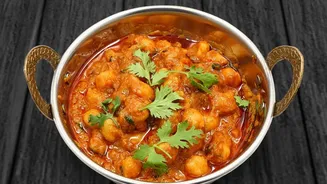
At its core, many chaat varieties are built on a foundation of excellent plant-based proteins. Think of chana chaat, where the star is the chickpea, or dahi bhalla, which uses lentils and yogurt. Chickpeas, lentils, and sprouts are fantastic sources of protein and dietary
fiber, which are essential for muscle repair, satiety, and digestive health. For instance, a serving of chana chaat can provide a significant portion of your daily protein needs. Yogurt, or dahi, is another hero ingredient, offering not only protein but also probiotics that support gut health. When you see a chaat loaded with these ingredients, it’s easy to understand why it gets a health halo. These components make it a potentially well-rounded and nutritious option compared to many other street foods.
The Hidden Dietary Traps
The health benefits of chaat can be quickly overshadowed by its other components. The very things that make it so craveable—the crunch, the saltiness, the sweetness—are often the culprits. Many chaats include deep-fried elements like papdi (fried flour crackers) and sev (fried gram flour noodles), which significantly increase the calorie and unhealthy fat content. Then come the chutneys. While delicious, sweet tamarind chutney is often high in sugar. The various masalas, especially black salt and chaat masala, are loaded with sodium. A single serving of street-side chaat can contain a surprisingly high amount of salt, which can contribute to water retention and other health issues over time.
Who Needs to Be Extra Mindful?
While anyone can overdo it, certain individuals need to be particularly cautious with their chaat consumption. For those managing hypertension or high blood pressure, the high sodium content is a major concern. Excessive sodium intake is directly linked to increased blood pressure. People with diabetes or those monitoring their blood sugar levels should be wary of the sweet chutneys and the refined carbohydrates in fried papdis. The combination of sugar and simple carbs can lead to sharp spikes in blood glucose. Lastly, if you are on a calorie-restricted diet for weight management, the hidden fats from frying and generous portions can easily derail your progress. A single plate of Aloo Tikki Chaat or Papri Chaat can contain anywhere from 300 to 400 calories.
Your Guide to a Healthier Chaat
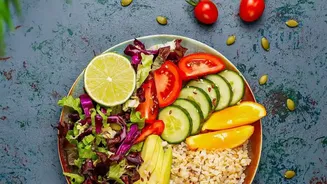
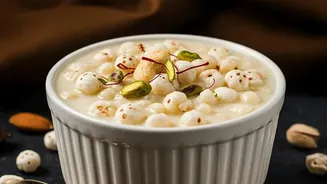
The good news is you don't have to give up chaat. By making a few smart swaps, especially at home, you can enjoy it guilt-free. Start by changing the base. Instead of deep-fried papdi, try baking your own whole-wheat crackers or using roasted makhana (fox nuts) for that essential crunch. Bulk up your chaat with more fresh vegetables like cucumber, tomatoes, onions, and even grated carrots or beets to add nutrients and fiber. Opt for low-fat yogurt to cut down on calories without sacrificing the creamy texture and protein boost. Take control of the seasonings. Make your own chutneys to regulate the sugar content, and use chaat masala sparingly to keep sodium levels in check. Building your own chaat allows you to maximize the good stuff—like sprouts, paneer, and chickpeas—while minimizing the not-so-good, turning it into a genuinely healthy meal.