


Measure Twice, Buy Once
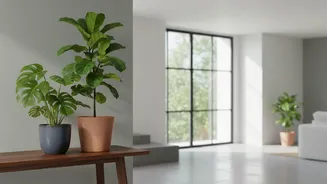
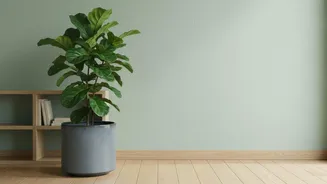
Before you fall in love with a towering fiddle-leaf fig at the store, get acquainted with a tape measure. It’s a common mistake to eyeball a space, only to bring a plant home that overwhelms a small room or gets lost in a large one. Measure the height,
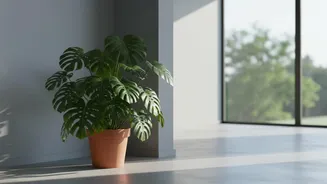
width, and depth of the spot you have in mind. For a floor plant, ensure there's at least a foot of clearance from the ceiling to accommodate future growth and allow for air circulation. For a tabletop or shelf plant, know the maximum footprint it can occupy without making the area feel cluttered. Write these dimensions down and bring them with you. This simple step prevents the heartbreak of a plant that just won’t fit.
Become a Light Detective
Light is the single most critical factor for a plant's survival, and it's where most new plant parents go wrong. Before shopping, spend a day observing the light in your chosen spot. Note the direction your window faces—south-facing windows provide the most intense light, while north-facing windows offer the least. An east-facing window gives gentle morning sun, perfect for many tropicals, while a west-facing window delivers strong afternoon heat. Look for obstructions like buildings or trees outside. You can even use a smartphone app to get a rough idea of the light intensity, often measured in foot-candles. Knowing whether you have bright direct, bright indirect, or low light is non-negotiable information to have before picking a plant.
Consider the Microclimate
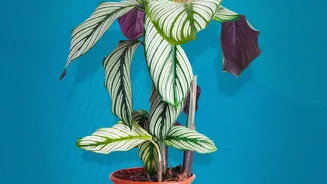
Your home's environment extends beyond light. Consider the ambient conditions of the specific room. Bathrooms, for instance, often have high humidity and low light, making them ideal for ferns and other tropicals that would suffer in a dry, sunny living room. Conversely, a spot near a radiator or heating vent will be far too dry for many species. Also, be mindful of drafts from doors, windows, or air conditioning units, as sudden temperature fluctuations can stress a plant. You can use a simple hygrometer to measure the humidity in a room if you want to get serious about creating the perfect home for humidity-loving plants like calatheas or orchids.
Think Vertically and Horizontally
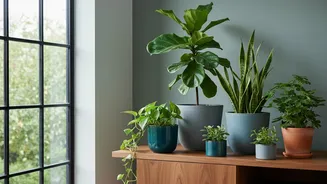
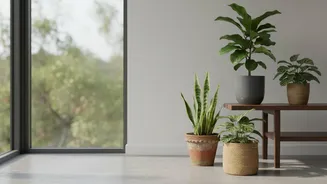
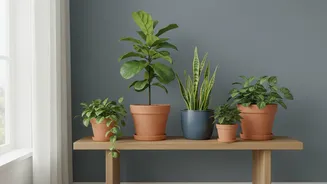
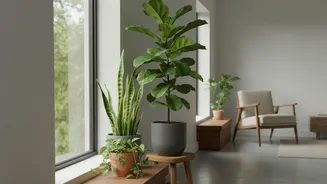
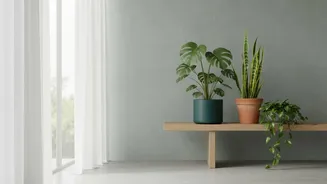
Don't just think about floor space. Empty corners, bare walls, and open ceilings are all potential real estate for greenery. If you have a narrow space, consider a tall, slender plant like a snake plant or a hanging plant that won't impede foot traffic. Vertical shelves can hold a collection of smaller plants, creating a living wall effect. A wide, empty space might be perfect for a broad plant with a large footprint. Thinking in three dimensions opens up a world of possibilities and allows you to integrate plants into your home more creatively, turning them into true design elements rather than just afterthoughts.
Plan for Future Growth
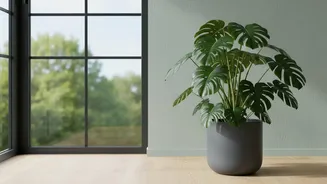
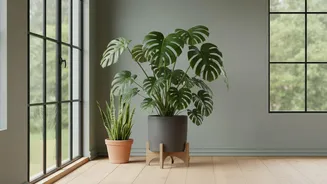
That adorable baby monstera in a four-inch pot is not going to stay that size. One of the most overlooked aspects of plant shopping is planning for a plant's mature size. Always check the plant's label or do a quick online search for its potential height and spread. A plant that gets too big for its space will need to be moved, which can cause shock, or constantly pruned, which is an added chore. Planning for its eventual size ensures the plant can live in its designated spot for years to come. This foresight separates successful, long-term plant parents from those who are constantly rearranging and repotting.