





The Whole Grain Advantage
To understand why whole grains are celebrated, it helps to know what they are. A whole grain kernel has three parts: the bran (the fibre-rich outer layer), the germ (the nutrient-packed core), and the endosperm (the starchy middle). Whole grains, like
steel-cut oats, brown rice, and quinoa, keep all three parts intact. In contrast, refined grains, such as white flour and white rice, have had the bran and germ removed. This process strips away more than half of their B vitamins, 90 percent of vitamin E, and almost all of the fibre, resulting in a product with a longer shelf life but far less nutritional value.
A Champion for Heart Health
One of the most significant benefits of incorporating whole grains is their positive impact on heart health. The fibre in whole grains plays a key role in lowering 'bad' LDL cholesterol levels. Studies have shown that a regular intake of whole grains is associated with a lower risk of heart disease and stroke. This is partly because the fibre helps reduce cholesterol, while other compounds found in whole grains can help lower blood pressure and reduce inflammation, protecting blood vessels from damage. Research has found that people who eat several servings of whole grains daily are significantly less likely to suffer from cardiovascular problems.
Stabilising Blood Sugar Levels
For anyone managing blood sugar, especially those with or at risk of type 2 diabetes, whole grains are a powerful dietary tool. Because they are rich in fibre, whole grains are digested more slowly than their refined counterparts. This slow digestion leads to a gradual, steady release of glucose into the bloodstream, preventing the sharp spikes and crashes in blood sugar and insulin that can come from eating refined carbohydrates. Steel-cut oats, for example, have a low glycemic index of around 42, compared to rolled oats at 55 and instant oats at 83. This makes them an excellent choice for sustained energy and better blood sugar control.
Supporting Digestion and Weight Management
The high fibre content in whole grains is crucial for a healthy digestive system. Fibre helps regulate bowel movements and can prevent constipation. Furthermore, the soluble fibre found in oats acts as a prebiotic, feeding the beneficial bacteria in your gut. A healthy gut microbiome is linked to numerous benefits, including reduced inflammation. This fibre also helps you feel full for longer, a sensation known as satiety. This feeling of fullness can help reduce overall calorie intake and support weight management efforts, as it helps prevent overeating.
Why Steel-Cut Oats Stand Out
While all whole grains are beneficial, steel-cut oats are particularly valued because they are one of the least processed forms of oats. To make them, the whole oat groat (the inner kernel) is simply cut into two or three pieces with steel blades. Rolled oats, by contrast, are steamed and rolled flat, and instant oats are processed even further. This minimal processing means steel-cut oats retain more of their intact fibre and take longer for your body to break down. This slower digestion is what enhances their benefits for blood sugar control and prolongs the feeling of fullness.
Simple Ways to Enjoy Them
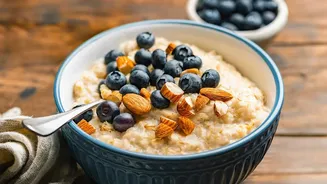
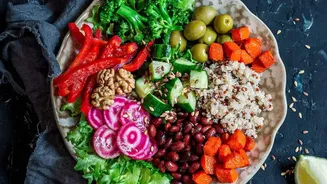
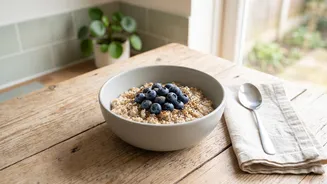
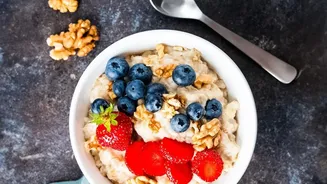
Incorporating steel-cut oats is easier than you might think. While they take longer to cook than other oats (about 20-30 minutes), you can make a large batch to last for several days. They are incredibly versatile. For a classic sweet breakfast, top a warm bowl with fresh fruit, nuts, or a spoonful of nut butter. But don't limit them to breakfast; steel-cut oats have a nutty, chewy texture that works well in savoury dishes too. Try them as a base for a grain bowl, topped with a fried egg, sautéed vegetables, and avocado for a complete and satisfying meal.