






The Classic Rabri Dilemma
Traditionally, making rabri is a labour of love. It involves simmering full-fat milk in a wide, heavy-bottomed pan for hours. The process requires constant attention, scraping the cream (malai) that forms on the surface and sides and mixing it back into
the reducing milk. This slow reduction is what creates the signature thick, luscious texture and caramelized flavour. While the result is undeniably divine, the time and effort involved make it a dessert reserved for special occasions. For most people with busy schedules, spending hours over a stove is simply not feasible, leaving the craving for homemade rabri largely unfulfilled.
The Secret Weapons for Speed
The magic of a 15-minute rabri lies in a few clever ingredient swaps that mimic the texture of slow-cooked milk without the wait. The primary hero in many quick recipes is bread. Plain white bread, with crusts removed and blitzed into fine crumbs, acts as a brilliant and neutral-tasting thickener. When added to simmering milk, it dissolves and creates a creamy, grainy texture remarkably similar to traditionally made rabri. Other key players include milk powder and condensed milk. Milk powder instantly adds density and a rich, milky flavour, while sweetened condensed milk provides both sweetness and a pre-thickened base, fast-forwarding the reduction process significantly. Some recipes even use paneer or ricotta cheese, which, when crumbled, adds texture and richness.
A Quick Guide to Instant Rabri
Putting these ingredients to work is surprisingly simple. The process generally begins by bringing full-fat milk to a boil in a pan. While the milk heats, you can prepare your thickening agent, whether it's grinding bread slices into crumbs or getting your milk powder ready. Once the milk is boiling, the heat is lowered, and the thickeners are introduced. If using milk powder, it's often whisked in gradually to prevent lumps. Sweeteners like sugar or condensed milk are added along with flavourings. The mixture is then simmered for about 10 to 15 minutes, stirring continuously, until it reaches the desired consistency. It's important to keep scraping the sides of the pan, just as you would in the traditional method, to incorporate all the creamy bits.
Achieving Perfect Flavour and Consistency
While speed is the goal, flavour is paramount. To get that authentic rabri taste, don't skip the aromatics. A pinch of crushed cardamom powder is essential for its classic fragrance. A few strands of saffron, soaked in a tablespoon of warm milk, will impart a beautiful golden hue and subtle, luxurious flavour. For a nutty undertone, you can add a paste of blanched almonds. The final consistency is a matter of personal preference. Remember that the rabri will thicken considerably as it cools, so it's best to take it off the heat when it's slightly thinner than you'd ultimately like. For the smoothest texture, ensure any thickening agents like milk powder are whisked in thoroughly.
Serving and Storing Your Quick Creation
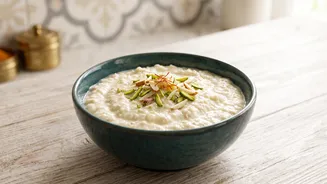
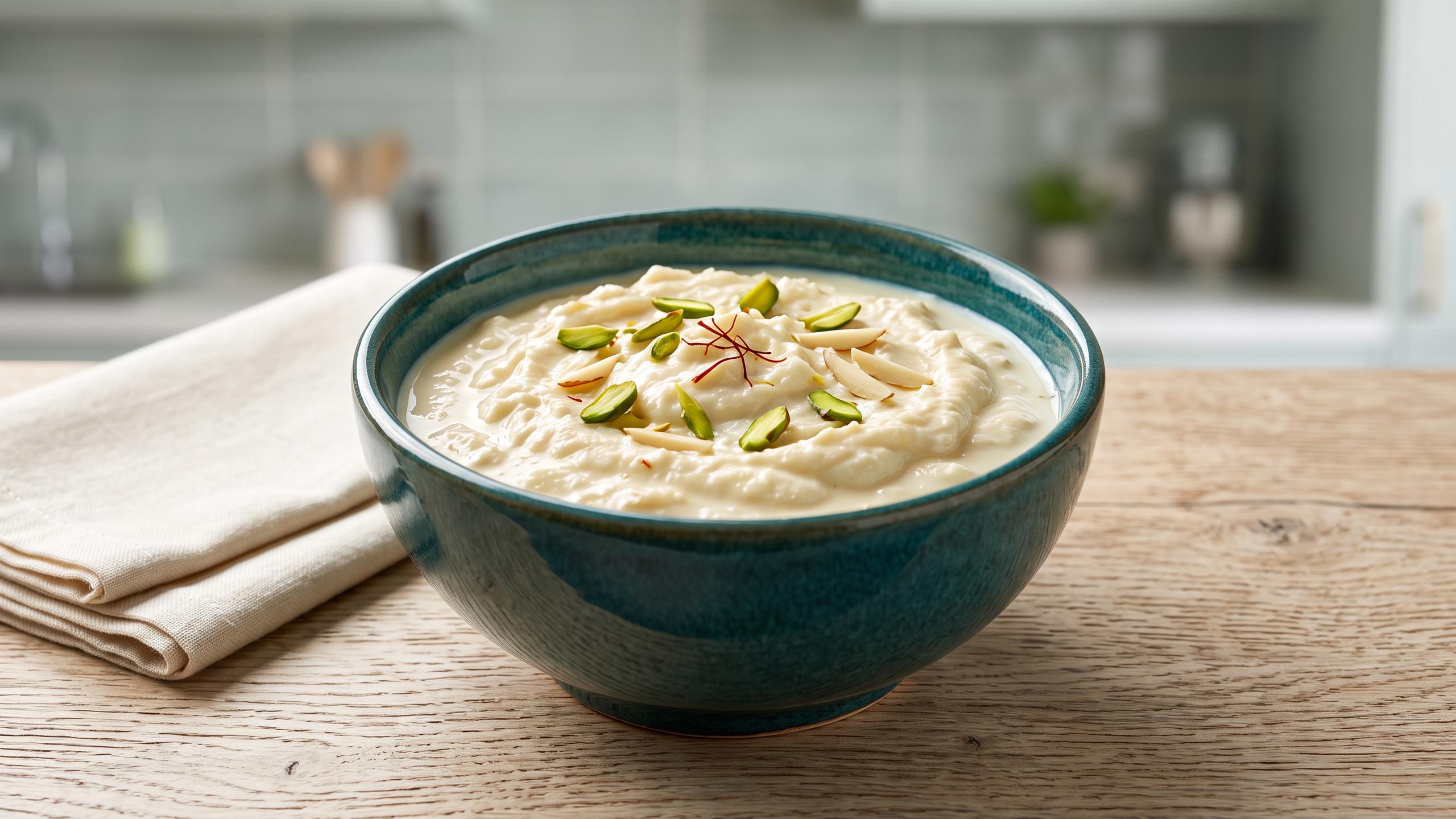
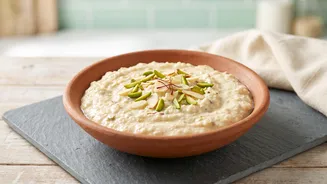
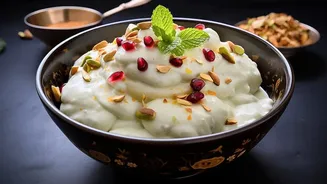
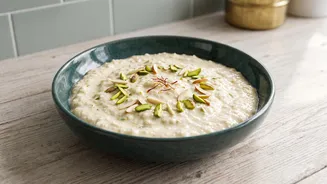
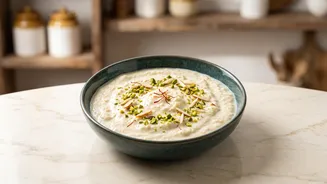
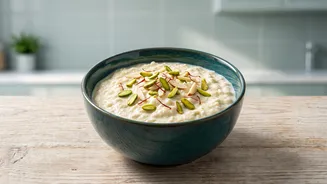
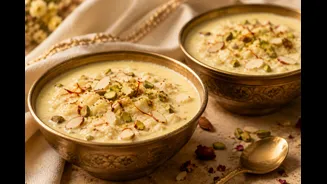
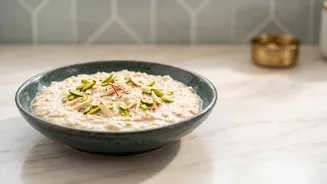
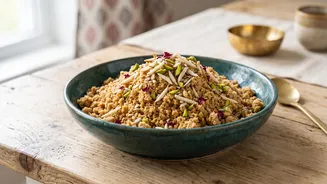
Rabri is incredibly versatile and can be enjoyed warm, but most agree it's best served chilled. Once cooked, allow it to cool to room temperature before refrigerating for at least an hour. Just before serving, garnish generously with chopped nuts like pistachios and almonds for a delightful crunch. Dried rose petals can also add a touch of elegance. This quick rabri is a fantastic dessert on its own, but it truly shines when paired with other Indian sweets. Serve it alongside hot jalebis, malpuas, or even a slice of shahi tukda for a truly indulgent experience. Leftover rabri can be stored in an airtight container in the refrigerator for up to three days.