










What 'Sponsored' Really Means
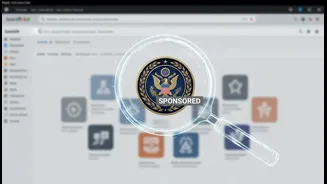
When you perform a search, the results at the very top are often marked with a small label that says “Ad” or “Sponsored”. These are not the most relevant or trustworthy results; they are paid advertisements. A company has paid the search engine to place
its link in that premium position, hoping you will click on it first. The ranking is based on who is willing to pay for your click, not on who is the most official or authentic source. Think of it as a billboard on the digital highway—it’s there because someone paid for the space, not because the highway authority recommends their business.
The Engine Behind the Ads
Search engine advertising works like an auction. Businesses bid on keywords related to their services. For example, a travel agent might bid on “passport renewal assistance,” while a tax consultant bids on “file income tax.” The highest bidder for a particular keyword gets their ad displayed prominently when a user searches for that term. This system is incredibly effective for advertisers, but it creates a significant risk for users. Cybercriminals and middlemen can also bid on these keywords, creating ads that look legitimate but lead to fraudulent or overpriced services.
A Platform, Not a Promoter
A common misconception is that if a search engine like Google displays a result, it has vetted and approved it. This is not the case. Search engines are platforms for information and advertising. The “Sponsored” label is their way of distinguishing a paid placement from an organic, or natural, search result. These organic results are what the search engine’s algorithm has determined are the most relevant answers to your query, and they appear below the ads. While search companies have policies to prevent fraud, scammers constantly find new ways to bypass them.
The High Stakes of Government Searches
The risk is especially high when you are searching for essential government services. Unsuspecting users looking for websites to apply for a PAN card, check their provident fund balance, or book a driving test can easily be misled. Clicking a sponsored link might take you to a third-party agent who charges exorbitant fees for a service that is free or low-cost on the official government portal. Worse, it could be a phishing site designed to steal your personal and financial information, such as your Aadhaar number, bank details, or login credentials. The Indian government has issued numerous advisories about such fraudulent websites.
Your Guide to Spotting Ads
The most important step is to develop the habit of looking for the advertisement label. Always check for the words “Sponsored” or “Ad” next to the search result, which is usually located at the very top of the URL. It can be subtle, but it is always there. Train yourself to pause and identify these labels before clicking. If you see it, you know you are looking at a paid placement. Some platforms are even starting to add clearer labels like "Not a government website" to certain ads to further help users. Your safest bet is to scroll past all the sponsored results until you reach the first organic, unpaid result.
How to Find the Official Source
To ensure you are visiting a legitimate government website, scroll past the ads and look for URLs ending in `gov.in` or `nic.in`. These domains are generally reserved for official government bodies in India. Be wary of websites with similar-looking but incorrect domain names. Once you find the correct official website, bookmark it in your browser for future use. This saves you from having to search for it again and potentially clicking on another misleading ad. For critical services, it is always better to type the website address directly if you know it, rather than relying on a search.