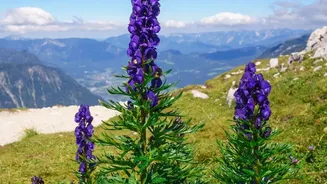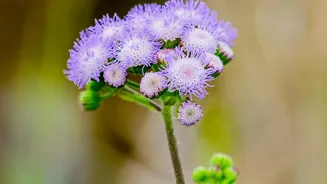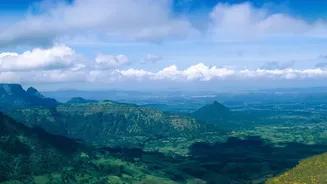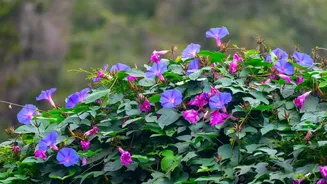





The Spectacle of the Blue Mountains
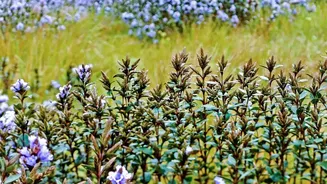
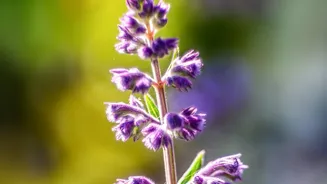
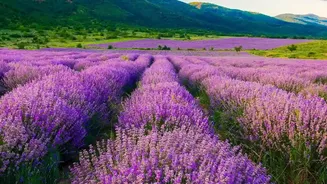
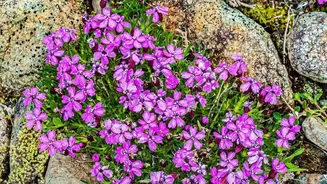
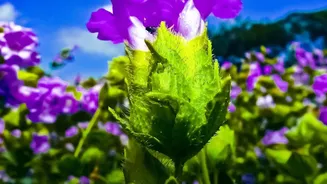
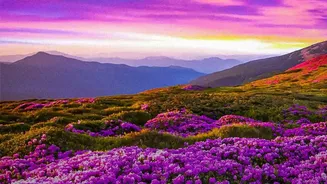
The phenomenon gives the Nilgiri Hills—literally, the Blue Mountains—their name. When Strobilanthes kunthiana, the scientific name for the Neelakurinji shrub, blooms, entire valleys and hillsides are draped in a vibrant, uniform carpet of purplish-blue
flowers. This mass flowering, or gregarious blooming, is a rare event that draws travellers, photographers, and nature lovers from across the globe. The last major bloom occurred in 2018, transforming vast stretches of the Western Ghats into a scene of otherworldly beauty. For the local Paliyan tribe, the bloom is a cultural touchstone, traditionally used to calculate their age.
The Science of a 12-Year Wait
Neelakurinji is a monocarpic plant, which means it flowers only once in its lifetime, sets seed, and then dies. This unusual life cycle, known as plietesial, is an evolutionary strategy. By synchronising their flowering in a massive burst every 12 years, the plants overwhelm seed predators, ensuring that enough seeds survive to produce the next generation. After the bloom, the seeds fall to the ground and lie dormant, beginning a slow, patient journey toward the next spectacular flowering a dozen years later. While the 12-year cycle is most famous, there are other species in the Strobilanthes genus with different cycles, ranging from one to 16 years.
A Fragile Ecosystem Under Threat
This natural wonder is facing unprecedented threats. The International Union for Conservation of Nature (IUCN) has officially listed Neelakurinji as a Vulnerable species. Its unique high-altitude shola grassland habitat is shrinking alarmingly due to human activity. The primary culprits are the expansion of tea and eucalyptus plantations, rapid urbanisation, and infrastructure projects. Invasive species like black wattle also compete with the native shrub, further endangering its survival. Climate change adds another layer of risk, as altered rainfall and temperature patterns can disrupt the delicate timing of the bloom.
The Double-Edged Sword of Tourism
While the blooming event is a significant driver of ecotourism, providing opportunities for local communities, the sheer volume of visitors poses a serious challenge. The 2018 bloom attracted an enormous number of tourists, leading to issues like plastic pollution, soil erosion from foot traffic, and the physical destruction of the delicate shrubs as people sought the perfect photo. Unregulated tourism can easily damage the very spectacle people come to witness. Striking a balance between allowing people to experience this marvel and protecting the fragile ecosystem is one of the most critical challenges for conservationists and local authorities.
Essential Conservation on the Ground
Recognising the threats, authorities have stepped up protection measures. The Ministry of Environment, Forest and Climate Change has listed Neelakurinji under Schedule III of the Wildlife (Protection) Act, making it a protected plant. Destroying or uprooting the plant can now result in fines and imprisonment. Key habitats like Eravikulam National Park in Kerala are crucial strongholds for the flower and the endangered Nilgiri Tahr that grazes in the same grasslands. Conservation efforts also include creating dedicated sanctuaries like the Kurinjimala Sanctuary in Idukki, managing tourist flow during blooming season, and working to remove invasive plant species.