



Thailand's allure is undeniable, but its popularity means top destinations can be overwhelmed. A truly great trip isn't about ticking boxes, but about smart choices that swap crowds for authentic, memorable experiences.
The Famous Beach You Can't Swim At
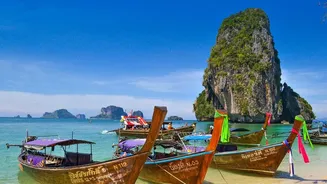
Maya Bay, immortalised in the film
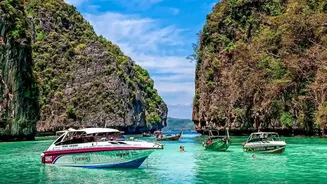
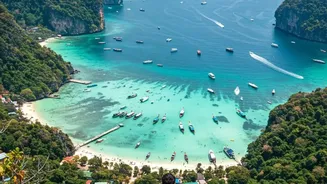
'The Beach,' is breathtakingly beautiful. It's also a prime example of nature fighting back against overtourism. After closing for nearly four years to recover from environmental damage, it reopened with strict rules. Boats are no longer allowed to enter the bay itself; they dock at a pier on the other side of the island, and visitors walk in. Crucially, swimming is prohibited to protect the recovering coral and the blacktip reef sharks that have returned. Visitor numbers are capped with timed, one-hour slots. The bay also closes annually for two months for environmental recovery, typically August and September. So, is it worth it? Reconsider if your dream is a classic beach day of swimming and sunbathing. It's now more of a national park viewing platform than a recreational beach. For an actual swim in a stunning lagoon, many boat tours also stop at the nearby Pileh Lagoon, which offers a fantastic alternative.
The Overwhelmed Island Paradise
Phuket is Thailand’s largest and most popular island, which is both its main draw and its biggest challenge. Some studies have even named it one of the world's most overcrowded tourist destinations. The infrastructure often struggles to keep up with the sheer volume of visitors, leading to packed beaches and heavy traffic. The Patong area, in particular, is known for its intense nightlife and can feel overwhelming and overly commercial for those seeking a tranquil escape. However, writing off the entire island would be a mistake. To escape the crowds, avoid Patong and head to quieter beaches like Nai Harn, Layan, or Ao Yon Bay. Alternatively, consider visiting during the low season (typically May to October) when the crowds thin, prices drop, and the brief rain showers are a small trade-off for having a slice of paradise more to yourself.
The Bustling Bangkok Market Maze
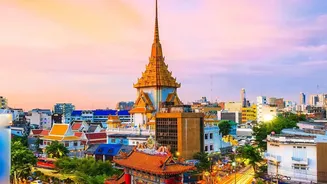
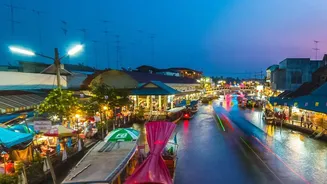
Chatuchak Weekend Market in Bangkok is legendary. With over 15,000 stalls, it's one of the largest markets in the world, offering everything from clothing to antiques. But its size is also its challenge; it can be overwhelmingly hot and crowded, with narrow pathways making browsing difficult during peak afternoon hours. Long queues for popular food stalls are common. To enjoy Chatuchak, strategy is key: go early. Arriving right when it opens allows you to browse in cooler temperatures with fewer people. If the sheer scale seems daunting, Bangkok has numerous other markets with their own unique character. Consider the Srinakarin Train Night Market for its vintage flair and local vibe, or Talad Neon for a more modern, less congested night market experience. For foodies, Nang Loeng is one of the city's oldest markets, offering a more traditional and less tourist-focused culinary experience.
Thinking Beyond the Postcard
The common thread among these hotspots is immense popularity. The Thai government itself is shifting its tourism strategy to focus on 'value over volume', encouraging visitors to explore beyond the main hubs to reduce environmental strain. This opens up incredible opportunities for travellers willing to step off the beaten path. Instead of focusing only on Phuket, look into quieter Andaman islands like Koh Lanta or Koh Jum, which offer a more laid-back pace. In the Gulf of Thailand, islands like Koh Kood provide a tranquil alternative to the busier hubs. Exploring these destinations not only provides a more relaxing experience but also supports a more sustainable model of tourism that spreads economic benefits to local communities. By making conscious choices, travellers can help preserve the very beauty they came to see.