






The Viral Fountain of Youth?
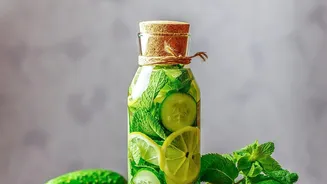
If you've scrolled through wellness-focused social media lately, you've likely encountered okra water. The preparation is simple: fresh okra pods are sliced, soaked in water overnight, and the resulting liquid is consumed. Influencers and proponents claim
this gel-like infusion is a miracle worker, capable of enhancing skin health, regulating blood sugar, and aiding weight loss. The promise of achieving a radiant, youthful complexion by drinking this simple concoction is particularly appealing, driving many to try the trend. The logic seems plausible at first glance: okra is a healthy vegetable, so its water must be a wellness elixir. But as with many viral trends, the reality is more complex.
The Science of Okra Itself
Before dissecting the water, it's important to acknowledge that whole okra is a nutritional powerhouse. It's packed with valuable vitamins and minerals, including high levels of Vitamin C, Vitamin K, folate, and magnesium. Okra is also an excellent source of antioxidants like polyphenols and flavonoids, which are compounds known to fight oxidative stress in the body. Furthermore, it contains a significant amount of soluble fiber and a unique substance called mucilage, the gel-like goo that gives both okra and its water their characteristic slimy texture. This mucilage and fiber content are credited with benefits like supporting digestion and helping to slow sugar absorption.
The Antioxidant and Skin Connection
The primary claim for okra water's skin benefits hinges on its antioxidant content. In general, antioxidants are fantastic for skin health. They work by neutralizing free radicals, which are unstable molecules that damage cells and contribute to premature aging, fine lines, and wrinkles. Vitamin C, found in okra, is a particularly potent antioxidant that also plays a crucial role in collagen synthesis, the protein responsible for skin's elasticity and firmness. By consuming antioxidant-rich foods, you can theoretically help protect your skin from within. This is the scientific basis that gives the okra water trend its veneer of credibility.
Where the Claim Falls Apart
Here's the crucial disconnect: while okra is rich in nutrients, there is very limited research to confirm that these benefits effectively transfer into the water in significant amounts. Experts point out that the evidence supporting okra water's dramatic health claims is almost entirely anecdotal. Drinking the water means you miss out on much of the dietary fiber and other nutrients that remain in the vegetable itself. While the water may contain some water-soluble vitamins and antioxidants, it's unlikely to be in a concentration high enough to produce the visible skin improvements seen in filtered social media posts. Skincare experts and dietitians agree that while drinking it won't hurt, it's not a miracle cure and cannot replace a balanced diet or proven skincare routines. You are far better off eating the whole vegetable to get its full nutritional payload.
Real Benefits vs. Inflated Hype
So, is drinking okra water completely useless? Not necessarily, but its benefits are far more modest than the hype suggests. At its core, it's a hydrating beverage that may provide a small dose of the vitamins and antioxidants found in okra. It might contribute to a healthier gut by providing some soluble fiber and mucilage, which can soothe the digestive tract. However, these benefits are marginal compared to eating the whole okra, which delivers a much more powerful punch of fiber, vitamins, and minerals. Think of it as a slightly enhanced water, not a transformative skin treatment.
Potential Downsides to Consider
For most people, okra water is safe, but it's not without potential side effects. Because okra contains fructans, a type of carbohydrate, it can cause digestive issues like gas, bloating, and stomach discomfort, especially for individuals with Irritable Bowel Syndrome (IBS). Okra is also high in oxalates, which can contribute to the formation of kidney stones in susceptible people. Furthermore, its high Vitamin K content could potentially interfere with blood-thinning medications. As with any wellness trend, it's wise to consult a doctor before making it a regular part of your routine, especially if you have pre-existing health conditions.