




Hike to Europe's Highest Villages
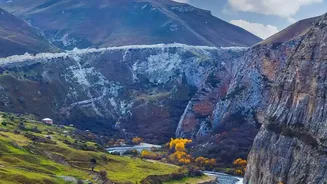
In the Guba region, nestled high in the Greater Caucasus mountains, lies Khinalig, one of the oldest and highest continuously inhabited villages in Europe. Reaching it involves traversing dramatic mountain passes, but the real magic begins when you start
hiking the trails that connect it to neighbouring hamlets like Griz and Galakhudat. These paths, used by shepherds for centuries, cut through vast, treeless meadows and offer breathtaking views of Mount Gizilgaya. This isn't just a walk; it's a journey into a world where a unique language is spoken and life moves at an ancient rhythm, offering a profound sense of isolation and history. The best time for these high-altitude treks is from late spring to early autumn.
Follow Artisan Trails to Lahij
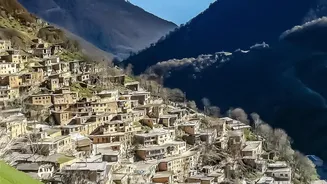
The village of Lahij, famous for its cobbled streets and coppersmiths, is a popular destination, but the hikes surrounding it offer a deeper cultural immersion. Trails connect Lahij to smaller, lesser-known villages like Muju and Zarnava, passing through the protected forests of Shahdag National Park. The trek from Muju, in particular, is a challenging but rewarding route that ascends to over 2,000 metres before descending into Lahij, offering spectacular views of the Niyaldag mountain range. These hikes allow you to see rural life up close, from beekeeping farms to villagers who speak distinct Tat dialects, adding layers of context to the artisan crafts you see in the main town.
Explore the Lush Talysh Mountains
For a completely different atmosphere, head south to the Talysh Mountains near the border with Iran. This region is home to the Hirkan National Park, a UNESCO World Heritage site known for its relict forests that survived the Ice Age. The climate here is humid and subtropical, creating a lush, green landscape that stands in stark contrast to the stark peaks of the north. Hiking trails wind through forests of ironwood trees, passing remote villages and leading to serene spots like Sim Waterfall and Lake Khanbulan. This area is ideal for hiking in the spring and autumn when the Caucasus might still be under snow, offering a year-round option for experiencing Azerbaijan's incredible biodiversity.
Walk Through Time in Gobustan
Not all hikes are about mountain peaks. A visit to Gobustan National Park, just a short drive from Baku, offers a walk through 40,000 years of human history. While not a strenuous trek, the trails here meander through a rugged, semi-desert landscape dotted with thousands of ancient petroglyphs. These rock carvings depict scenes of hunting, dancing, and ancient life, providing a direct link to the prehistoric people who inhabited this land. The hike is as much an outdoor museum experience as it is a nature walk, adding a unique historical dimension to your travel plan and connecting you to the country's deepest roots.
Discover the Lakes of Goygol National Park
In western Azerbaijan, Goygol National Park offers a more serene and accessible hiking experience centered around a series of stunning mountain lakes. The park's main attraction, Lake Goygol (meaning 'Blue Lake'), was formed by an earthquake in the 12th century and is known for its crystal-clear, deep blue water framed by dense forests. Well-maintained paths circle the main lake and lead to others like Maralgol. These trails are perfect for more relaxed walks, birdwatching, and simply absorbing the peaceful atmosphere of the Lesser Caucasus mountains. It's a restorative experience that showcases a gentler side of Azerbaijan's wild beauty.