

Ghee: The High-Heat, Flavourful Fat
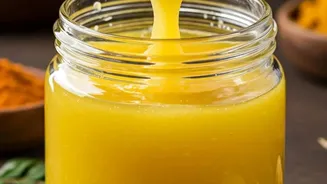
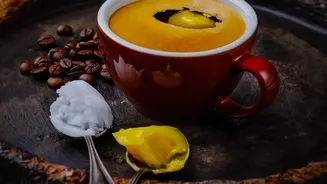
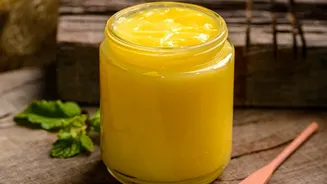
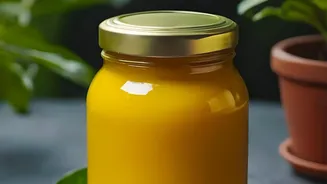
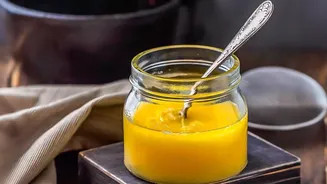
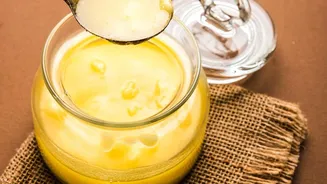
Ghee, or clarified butter, has been a cornerstone of Indian cuisine for centuries for good reason. It's made by simmering butter until the water evaporates and the milk solids separate, leaving pure butterfat. This process gives ghee two distinct advantages:
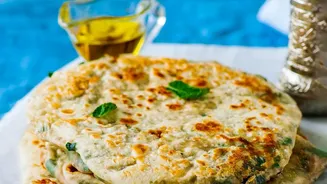
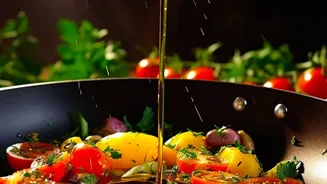
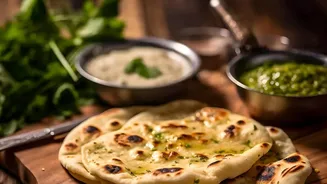
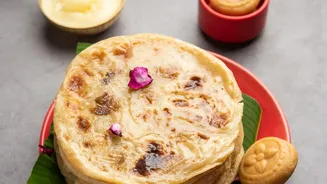
a high smoke point and a rich, nutty flavour. With a smoke point of around 250°C (485°F), ghee is exceptionally stable for high-heat cooking methods common in Indian kitchens, such as tempering (tadka), searing, and frying. Unlike many oils that can break down and release harmful compounds at high temperatures, ghee remains stable, making it a safer choice. Its flavour is another key attribute; it enhances the aroma of spices rather than masking them, adding a characteristic warmth to dals, biryanis, and sabzis. Beyond high-heat cooking, a dollop of ghee can enrich rotis, parathas, and rice just before serving.
Neutral Oils: The Versatile All-Rounder
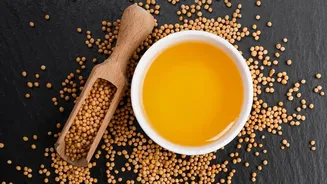
Neutral oils are the quiet workhorses of the kitchen. This category includes oils like canola, sunflower, and generic vegetable oil, which is often a blend of several types like soybean and corn. Their defining feature is a lack of distinct flavour and aroma, which makes them incredibly versatile. You use a neutral oil when you want the other ingredients in your dish to be the star. They are ideal for baking cakes and muffins where you need moisture without an interfering taste, or for making condiments like mayonnaise. Many neutral oils also have a high smoke point. Canola and vegetable oils, for instance, typically have smoke points around 204°C (400°F), making them suitable for deep-frying, stir-frying, and general sautéing. Because they are often inexpensive and stable, they are a practical choice for everyday cooking tasks where you don't need the specific flavour profile of ghee or olive oil.
Olive Oil: A Tale of Two Varieties
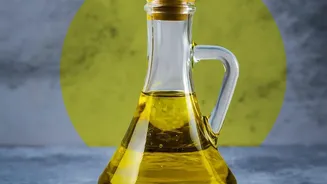
Not all olive oil is created equal, and understanding the difference between extra virgin and regular (or refined) olive oil is crucial. Extra virgin olive oil (EVOO) is unrefined and cold-pressed, which preserves its robust, fruity, and sometimes peppery flavour, as well as its rich antioxidant content. However, this minimal processing gives it a lower smoke point, typically between 160-190°C (320-375°F). This makes EVOO unsuitable for high-heat frying but perfect for applications where its flavour can shine, such as salad dressings, dips, or as a finishing drizzle over cooked dishes. Regular olive oil, often labelled as 'pure' or 'light', is a blend of refined olive oil and a small amount of virgin oil. The refining process gives it a more neutral taste and a much higher smoke point, around 240°C (465°F), making it suitable for sautéing and baking. While it can be used for some Indian cooking, its flavour profile is distinctly different from traditional fats.
When to Use Each Fat: A Quick Guide
To make the best choice, think about your cooking method and desired flavour. Here’s a simple breakdown: For High-Heat Searing, Tadka, and Roasting: Ghee is the superior choice. Its high smoke point and ability to enhance spice flavours make it ideal for traditional Indian cooking techniques. For Deep-Frying and Baking: Neutral oils like canola or vegetable oil are your best bet. Their high smoke points and neutral flavours won't interfere with the food's taste and are cost-effective for frying. For Salad Dressings and Finishing: Extra Virgin Olive Oil is unmatched. Its rich, complex flavour is best enjoyed raw or with very gentle heat to preserve its delicate compounds. For General Sautéing: Regular Olive Oil, Ghee, or Neutral Oils can all work. The choice depends on the flavour you want to impart. Ghee adds richness, regular olive oil offers a milder option, and neutral oil stays in the background.