



A Surprising Reversal
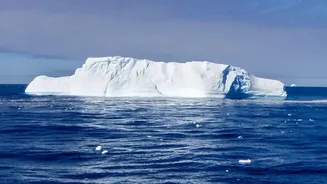
In a finding that has captured global attention, scientists have reported a significant, yet temporary, gain in ice mass on the Antarctic Ice Sheet. According to research using data from GRACE satellites, between 2021 and 2023, the continent gained mass at a rate
of approximately 108 billion tonnes per year. This short-term increase, the largest observed since satellite monitoring began in 2002, was enough to temporarily slow the rate of global mean sea level rise. The growth was primarily concentrated in East Antarctica, a vast region that had previously been considered relatively stable compared to the rapidly melting West.
The Engine Behind the Growth: Snowfall
The primary driver behind this unexpected gain was not a sudden cold snap but an exceptional amount of snowfall. Researchers linked this to a chain of atmospheric events starting thousands of miles away. Unusually warm ocean temperatures in the tropical Pacific and Indian Oceans altered atmospheric circulation patterns, creating “atmospheric rivers” that transported huge amounts of moisture towards the South Pole. This resulted in sustained, heavy snowfall over areas like Wilkes Land and Queen Mary Land, piling up enough snow to more than offset the ice being lost elsewhere on the continent during that specific period.
The Bigger Picture: A Temporary Blip
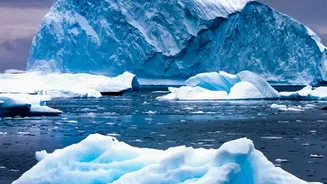
While the news of ice gain is startling, scientists are clear that this does not signal a reversal of the long-term trend. This two-year period of growth is an anomaly within a much longer story of decline. For nearly two decades prior, from 2002 to 2020, Antarctica was losing ice at an accelerating rate, shedding an average of about 140 billion tonnes per year. This overall loss is primarily driven by the warming Southern Ocean melting the floating ice shelves from below, particularly in West Antarctica. These ice shelves act like a cork in a bottle, and as they thin, they allow inland glaciers to flow faster into the sea, which is the main contributor to sea-level rise from the continent.
East vs. West: A Tale of Two Antarcticas
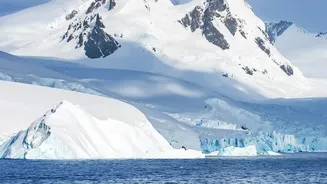
Understanding Antarctica requires seeing it not as a single block of ice, but as a continent with distinct regions behaving differently. The recent gains were almost entirely in the massive East Antarctic Ice Sheet, driven by the spike in snowfall. Meanwhile, the West Antarctic Ice Sheet, which includes the much-watched Thwaites 'Doomsday Glacier', has continued its alarming trend of rapid mass loss. The West is considered far more vulnerable because much of its ice sheet rests on a bed that is below sea level, making it susceptible to runaway melting from warm ocean currents. The temporary gains in the East, while significant, do not change the critical situation in the West.
Why This Matters for India and the World
This complex picture of Antarctic ice dynamics is crucial for the entire planet. For a country like India, with over 7,500 kilometres of coastline and densely populated coastal cities, the long-term stability of Antarctica is not an abstract scientific curiosity—it is a matter of national importance. The overall, persistent trend of ice loss from Antarctica remains a primary driver of global sea-level rise. This temporary gain from snowfall provides scientists with vital data on the complex climate mechanisms at play, but it does not alter the fundamental threat. The episode underscores that even as some parts of the climate system show surprising short-term variability, the overall warming trajectory and its consequences, like rising seas, continue to be a major concern.