








What Exactly Is Starlink Building?
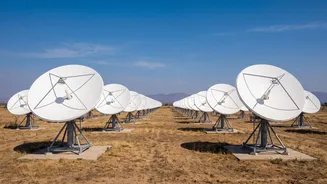
Across India, Starlink is establishing a significant physical footprint. At the India Mobile Congress on October 7, 2026, a company official confirmed the construction of 20 gateway sites, also known as earth stations or teleports, equipped with hundreds
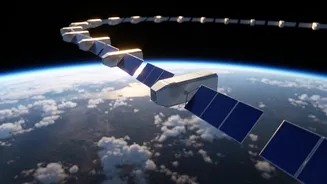
of antennas. These facilities are the crucial link between the satellites in low-Earth orbit and the terrestrial internet. When a user in a remote village sends an email, the signal travels from their personal dish to an orbiting satellite, which then beams it down to one of these ground stations. The ground station is connected to the global internet backbone via high-speed fiber optic cables, processing the data and sending it back on its return journey through space. Without this ground infrastructure, the satellites would be isolated and unable to provide service.
A Strategy of Confidence
Building such extensive and expensive infrastructure before receiving the final green light for commercial operations is a high-stakes strategy. Starlink is betting on its eventual entry into the Indian market and preparing to launch its services almost instantly once approvals are granted. The company has stated that it is 'standing ready to serve India once India is ready'. This proactive investment signals deep commitment to one of the world's largest potential markets. By having its ground network, data controls, and operational systems already in place and tailored to Indian regulations, Starlink aims to bypass the typical ramp-up period that follows a license grant. This move demonstrates confidence and a clear intention to gain a first-mover advantage over its competitors.
The All-Important Regulatory Hurdles
Starlink's journey in India has been a multi-year effort to navigate a complex regulatory landscape. The company secured its crucial Global Mobile Personal Communication by Satellite (GMPCS) license from the Department of Telecommunications (DoT) in June 2025. This was followed by an authorisation from the Indian National Space Promotion and Authorisation Centre (IN-SPACe) in July 2025. However, these licenses are not the final step. Starlink, along with its competitors, is still awaiting final security clearances and the formal assignment of spectrum. The Indian government has made it clear that all satellite operators must undergo the same rigorous security assessment, which includes provisions for lawful interception and data localisation, before commercial services can begin. Starlink has confirmed it has developed India-specific controls to keep user data within the country to meet these requirements.
A Sky Crowded with Competition
Starlink is not entering an empty arena. The race for India's satellite broadband market is becoming a three-way contest. The key players are all at a similar regulatory stage, having secured their GMPCS licenses but awaiting final clearance. The competition includes Bharti-backed Eutelsat OneWeb, which was the first to get its license but has faced delays, and Jio Satellite Communications, a venture between Reliance Jio and Luxembourg's SES. Jio has already launched a demonstration of its 'JioSpaceFiber' service, connecting remote locations and signaling its readiness. Interestingly, in a sign of the market's complex dynamics, both Reliance Jio and Bharti Airtel have reportedly signed agreements to partner with Starlink, even as their affiliate companies prepare to compete directly with it.
What This Means for Digital India
The arrival of high-speed satellite internet promises to be a game-changer for the country, particularly for those in remote and rural areas where terrestrial fiber and mobile networks are difficult and expensive to deploy. These services can provide reliable, low-latency connectivity to previously underserved communities, unlocking access to online education, healthcare, and e-commerce. The increased competition between Starlink, Jio, and OneWeb is expected to drive down prices and improve service quality for consumers and businesses across the board. For millions of Indians, this space race could finally bridge the digital divide, offering a direct link to the global internet, no matter their location.