




The New Monsoon Mindset
For years, the rainy season was considered a travel dead zone in many parts of India. Not anymore. A major shift in traveller preferences has transformed Wayanad's monsoon months, from June to September, into a coveted window for tourism. According to recent
travel industry data, bookings for hill stations like Wayanad have seen remarkable growth, with some reports indicating a nearly seven-fold increase in interest compared to previous years. This trend is driven by a desire for less crowded, more experiential getaways. Travellers are actively choosing the serene, misty, and lush landscapes of a rain-soaked Wayanad over the hustle of traditional peak seasons. The cool, comfortable weather, with temperatures often hovering between 18°C and 28°C, offers a refreshing escape from the heat of the plains.
Waterfalls in Full Splendor
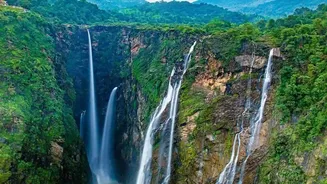
The single biggest draw for monsoon visitors is witnessing Wayanad's waterfalls at their most powerful and majestic. Cascades that are gentle streams in the dry season become thunderous spectacles. Soochipara Falls, also known as Sentinel Rock Falls, is a three-tiered marvel that becomes a breathtaking sight amidst the dense forest. Similarly, Meenmutty Falls, one of the tallest in Kerala, is particularly impressive during this time, though the trek to reach it requires caution on wet trails. Even the smaller Kanthanpara Waterfalls offers a peaceful and accessible alternative for those looking to enjoy the region's aquatic beauty without a strenuous hike. The sheer volume of water and the lush greenery surrounding these falls make for an unforgettable natural display.
A Landscape Reimagined
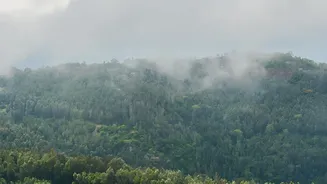
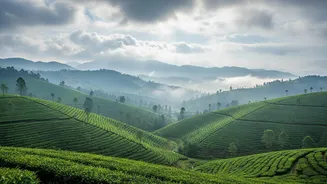
Beyond the waterfalls, the entire district transforms. The rain breathes new life into the landscape, turning the tea and coffee plantations a vibrant, glossy green. Misty mornings, where clouds hang low over the hills and valleys, create a romantic and almost surreal atmosphere. This makes simple activities like a drive through the winding ghat roads an experience in itself. Popular spots like Pookode Lake become even more picturesque surrounded by rain-washed forests, while the view from Banasura Sagar Dam, India's largest earthen dam, is stunning with the reservoir full and the nearby hills shrouded in mist. This seasonal makeover is a paradise for photographers and nature lovers seeking tranquility.
Experiential Stays and Slower Paces
The growing trend of monsoon travel is also influencing accommodation choices. Travellers are increasingly opting for experiential stays that allow them to immerse themselves in the atmosphere. Plantation homestays, boutique resorts with panoramic valley views, and even treehouses are in high demand. These properties offer a front-row seat to the monsoon, where guests can enjoy the sound of the rain, the smell of wet earth, and the sight of misty hills from the comfort of their verandah. The trend reflects a broader shift towards 'slow travel', where the goal is not just to see sights but to relax and connect with the destination on a deeper level. Many resorts also offer attractive monsoon packages, sometimes at discounts of 30-50% compared to the peak winter season, making it a budget-friendly time to visit.
Tips for Your Monsoon Trip
While Wayanad is magical in the monsoon, a little preparation is key. It's essential to pack waterproof jackets, quick-dry clothing, and sturdy, anti-slip footwear. Protect your electronics in waterproof bags. Since rainfall can sometimes be heavy, it's wise to keep your travel itinerary flexible and check weather advisories, especially before heading to waterfalls or on treks. Some trails may be restricted for safety, and encounters with leeches are common in forested areas, so carrying salt or leech socks is a practical measure for hikers. Driving on the winding hill roads requires extra caution due to reduced visibility and wet conditions. Despite these considerations, the rewards of witnessing Wayanad in its rain-drenched glory are well worth the effort.