

The Science Behind the Trick
The secret to this kitchen hack is a colorless, odorless gas called ethylene. Many fruits naturally produce ethylene as part of their ripening process, and this gas, in turn, signals the fruit to convert starches into sugars, soften its texture, and develop
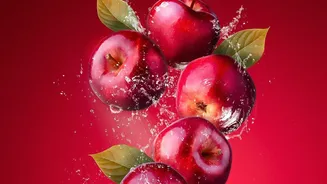
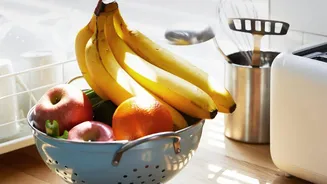
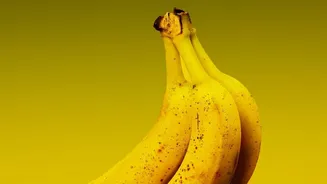
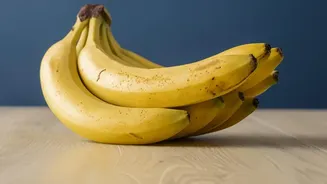
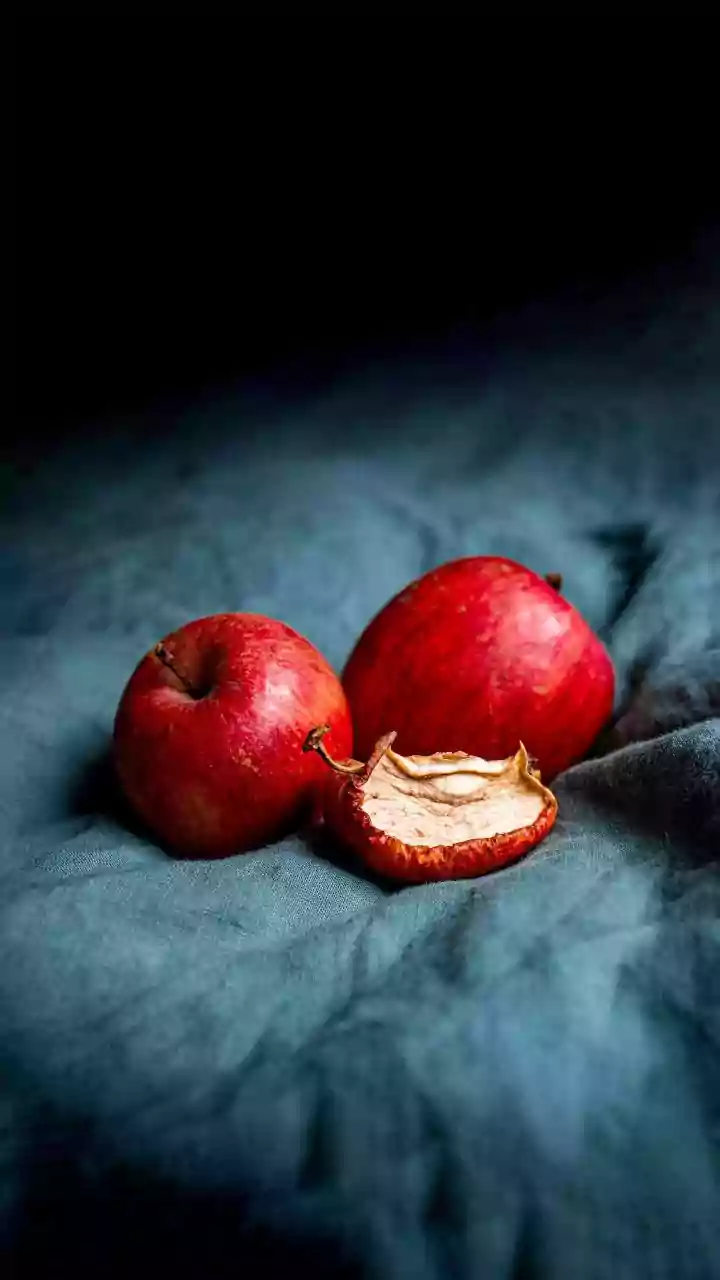
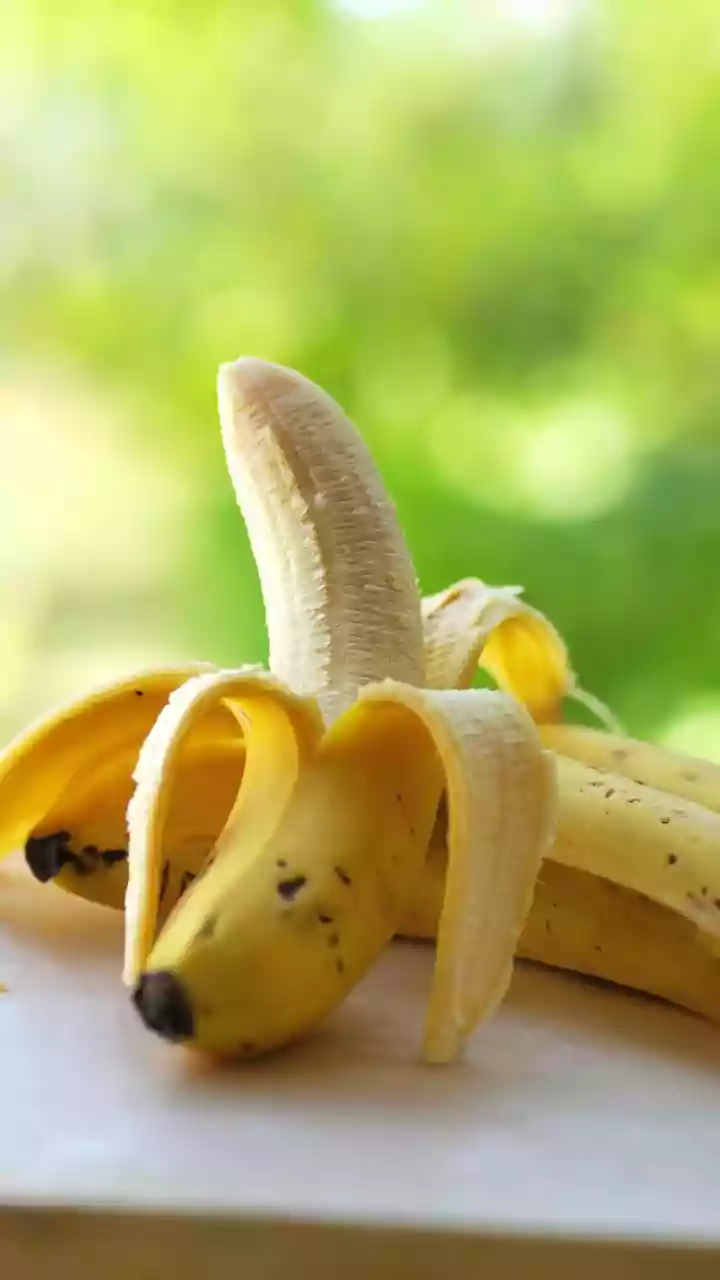
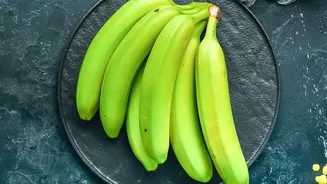
its characteristic color and aroma. Some fruits, like apples, are known to be high producers of ethylene gas. When you place an apple next to a bunch of unripe bananas, the apple releases ethylene, which is then absorbed by the bananas. This exposure essentially tells the bananas to get a move on and ripen more quickly than they would on their own.
How to Do It Right for Best Results
Simply placing an apple in your fruit bowl next to the bananas will help, but to supercharge the process, you can trap the ethylene gas. Place your green bananas in a paper bag along with an apple or a very ripe banana. Loosely fold the top of the bag to keep the gas concentrated around the fruit while still allowing for some airflow. Keep the bag at room temperature, perhaps on a countertop away from direct sunlight. Check on your bananas daily; using this method, they can often ripen in just one to two days, significantly faster than the two to four days they might take on their own.
Beyond Apples: Other Ethylene Producers
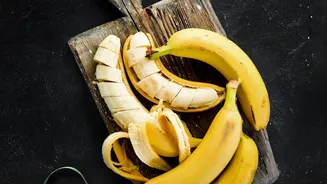
Apples aren't the only fruit that can play the role of a ripening companion. Many other common fruits, known as climacteric fruits, release significant amounts of ethylene as they ripen. These include pears, peaches, avocados, cantaloupes, plums, and even tomatoes. If you have a ripe pear or a soft avocado, it can serve the same purpose as an apple. In fact, a very ripe banana is one of the best tools for ripening its greener bunch-mates, as ripe bananas are also potent ethylene producers. You can use this knowledge to your advantage to ripen a variety of fruits, such as hard peaches or nectarines, by pairing them with a high-ethylene producer.
The Flip Side: Keeping Produce Fresh
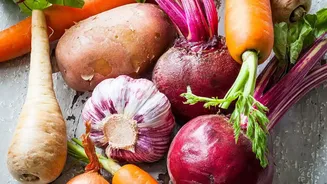
Understanding ethylene is also the key to preventing other produce from spoiling prematurely. Just as some fruits produce a lot of ethylene, others are highly sensitive to it. Storing ethylene-producing fruits next to sensitive ones can cause the latter to wilt, yellow, or rot much faster. Produce that is particularly sensitive to ethylene includes broccoli, carrots, leafy greens like lettuce and spinach, cucumbers, and berries. For instance, ethylene can cause carrots to become bitter and lettuce to develop rust-colored spots. To maximize the shelf life of all your produce, it’s wise to store high-ethylene producers like apples, ripe bananas, and pears separately from ethylene-sensitive items. Keeping your apples in the crisper drawer and your bananas on a hook by themselves can make a huge difference in reducing food waste.
Common Ripening Mistakes to Avoid
While you might be tempted, avoid storing unripe bananas in the refrigerator. The cold temperature can halt the ripening process and cause the peel to turn dark, a condition called chilling injury. Similarly, storing fruit in sealed plastic bags is generally a bad idea. While a paper bag helps trap ethylene, a plastic bag traps moisture and prevents airflow, which can encourage mold and spoilage. Another common error is washing produce as soon as you get home. Excess moisture is a primary cause of premature decay, especially for delicate items like berries. It's best to wash fruits and vegetables right before you plan to eat or cook them.