

The Science of Staying Frozen
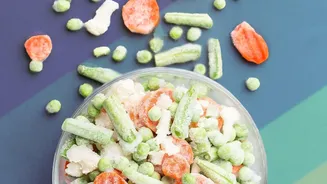
Commercially frozen vegetables are not simply thrown into a cold room. They undergo a process called flash-freezing, or Individually Quick Freezing (IQF). This involves blasting the vegetables with icy cold air or using other methods to freeze them extremely
quickly after being harvested and blanched. This rapid process is key to their quality. It creates very small ice crystals, which prevents damage to the vegetable's cellular structure. The result is produce that, when cooked, retains a texture close to fresh. The blanching step (a quick dip in boiling water) deactivates enzymes that would otherwise cause the vegetables to lose colour, flavour, and nutrients during storage. The entire system is designed to lock in peak freshness, nutrients, and texture from the moment they are picked.
The Danger of a Countertop Thaw
Leaving a bag of frozen vegetables on the kitchen counter to thaw is a common mistake with serious food safety implications. As the vegetables warm up, their surface enters the temperature 'danger zone'—between 40°F (4°C) and 140°F (60°C). In this range, any bacteria present before freezing can become active again and multiply rapidly. Freezing doesn't kill bacteria; it only makes them dormant. While the centre of the bag might still be frozen, the outer layers can reach unsafe temperatures in less than two hours, providing a perfect breeding ground for harmful pathogens like Listeria or Salmonella. Even if you cook the vegetables later, some bacteria can produce heat-resistant toxins that may not be destroyed by cooking, posing a risk of foodborne illness.
Losing Nutrients and Texture
Beyond the safety risks, improper thawing compromises the very qualities that make frozen vegetables so appealing. As the tiny ice crystals created during flash-freezing melt slowly and then refreeze into larger crystals (if you were to put them back in the freezer), they can rupture the cell walls of the vegetables. This process leads to a significant loss of texture, turning what should be crisp-tender vegetables into a mushy, watery mess. While thawing itself doesn't cause major nutrient loss, the subsequent water leakage can carry away water-soluble vitamins like Vitamin C and B vitamins. The best way to preserve both the nutritional value and the intended texture of frozen vegetables is to follow the package directions, which almost always recommend cooking them directly from frozen.
The Right Way: Freezer to Pan
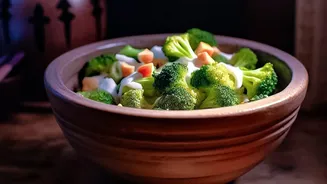
For the vast majority of frozen vegetables, the best method is to cook them without any thawing. This ensures they cook evenly and retain their texture and nutrients. Whether you are roasting, sautéing, steaming, or boiling, you can add them directly to a hot pan, oven, or pot. When roasting, for instance, tossing frozen vegetables in oil and seasoning before placing them in a hot oven helps them brown and caramelize instead of steam. For sautés, ensure your pan is hot before adding the vegetables to get a good sear. If you are adding them to soups or stews, they can go in straight from the freezer and will cook along with the other ingredients. Cooking from frozen is faster, safer, and yields a far superior final dish.
Safe Thawing (If You Absolutely Must)
There are very few instances where thawing is necessary, but if a recipe specifically calls for it, there are safe ways to do it. Never thaw at room temperature or in hot water. The three recommended safe methods are in the refrigerator, in cold water, or in the microwave. Thawing in the refrigerator is the safest method but requires planning, as it can take several hours or overnight. For a faster option, you can submerge the vegetables in a leak-proof bag in cold water, changing the water every 30 minutes to ensure it stays cold. If using a microwave to defrost, you must cook the vegetables immediately after, as some parts may have started to cook and entered the temperature danger zone.