

Understanding the Flood's Location and Scale
First, it is crucial to understand that this was not a nationwide event. The devastating flash floods, triggered by a suspected glacial collapse, were concentrated in a specific geographical corridor. The disaster primarily ravaged the Rasuwa district
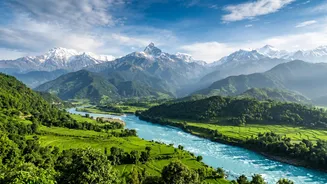
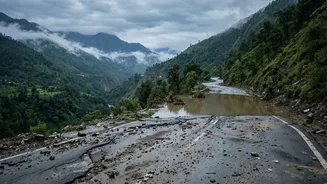
near the Nepal-China border, with floodwaters surging down the Bhote Koshi and Trishuli river systems. This has caused immense damage to roads, bridges, and villages in parts of Rasuwa, Nuwakot, and Dhading districts. While the humanitarian toll in these areas is severe, it is important for travellers to know that many of Nepal's most popular tourist regions were geographically separate from the disaster and not directly in the flood's path.
Are Major Tourist Hubs Like Kathmandu and Pokhara Safe?
Yes, major tourist hubs are reported to be safe and operational. The floodwaters did not reach the Kathmandu Valley or Pokhara. Tribhuvan International Airport in Kathmandu and the international airport in Pokhara are open and handling flights. Hotels, restaurants, and heritage sites in Kathmandu, Patan, Bhaktapur, and Pokhara are functioning as usual. While the end of the monsoon season means occasional heavy rains are still possible, these cities were not hit by the catastrophic flooding seen in the northern border regions. Travellers visiting these urban centres are unlikely to see any direct impact from the flood itself, though a sombre mood prevails in the country.
What About Popular Trekking Routes?
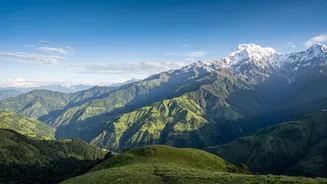
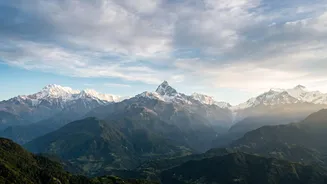
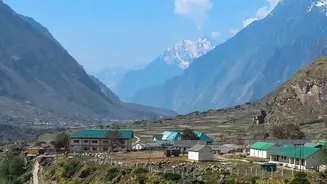
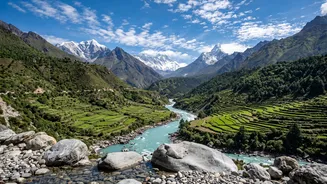
This is where the details matter. According to the Trekking Agencies' Association of Nepal (TAAN), most major trekking regions are completely unaffected and safe. The Everest Base Camp, Annapurna Circuit, Manaslu, and other popular treks are located far from the flood zone and remain open for the autumn season, which begins in September. The one significant exception is the Langtang Valley trek. While the valley itself was not destroyed, the primary road access to the trailhead at Syabrubesi has been severely damaged or washed away. This makes reaching the start of the Langtang trek extremely difficult, if not impossible, for now. Authorities and trekking agencies are advising against travel to this specific region until the situation is stable and infrastructure is assessed.
Official Advice for Travellers
Government bodies in both Nepal and abroad are urging caution. The Nepal Tourism Board has been working to locate missing tourists, a large number of whom are from India, and is setting up information desks to provide updates. Foreign governments, like Australia's, are advising citizens to reconsider travel to the specific flood-affected districts around the Trishuli River. No government has issued a blanket 'do not travel' advisory for the entirety of Nepal. The consensus advice is to stay away from the disaster zones in the Rasuwa region, monitor news updates, and maintain close contact with your local tour operator, guide, or airline before and during your trip.
Should You Cancel Your Trip?
The decision depends entirely on your itinerary. If your plans were focused on the Langtang region or overland travel to Tibet via the Rasuwagadhi border, you must change your plans. However, if you are booked for a trek in the Everest or Annapurna regions, or are planning a cultural tour of the Kathmandu Valley and Pokhara, your trip is likely still viable. Before making any decision, the first step should be to contact your airline, hotel, and trekking agency. They will have the most up-to-date information on local conditions. Be prepared for potential overland travel delays due to general monsoon road conditions, even in unaffected areas. While travel insurance may not cover cancellations due to fear unless official government advice changes to 'do not travel,' many local operators may offer flexibility given the circumstances.
A Note on Responsible Travel
Tourism is a vital pillar of Nepal’s economy. For a nation grappling with a major disaster, the income from visitors in safe, open areas is more important than ever. Proceeding with a trip to an unaffected region like Pokhara or the Annapurna Conservation Area can be a way to support local communities and families who depend on tourism. However, this must be done responsibly. Do not travel to disaster areas to 'see the damage.' Be patient and flexible if logistical challenges arise. A responsible, well-informed traveller can contribute positively during this difficult time, but safety must always be the first priority.