





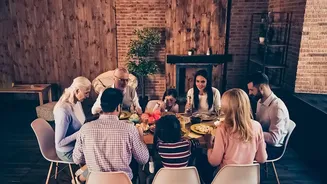

The Myth of the Perfect Group Gathering
In our minds, major holidays and family milestones are often synonymous with a single, boisterous event. We envision everyone under one roof, sharing laughter and creating a collective, happy memory. This ideal puts immense pressure on hosts and attendees
alike to perform their roles perfectly. The reality, however, can be quite different. Large groups can be overwhelming, especially for introverted family members or children. Conversations remain superficial, and the logistical stress of cooking, cleaning, and coordinating can overshadow any real opportunity for connection. When we fixate on forcing everyone into the same celebration, we risk prioritizing the appearance of togetherness over the feeling of it. This pressure can lead to resentment and exhaustion, the very opposite of what a family gathering should foster.
The Foundational Role of Active Listening
The first step toward healthier family gatherings is shifting from directing to listening. Active listening is about more than just hearing words; it's about understanding the needs and feelings behind them. It means recognizing that your nephew might prefer a quiet board game to a loud party, or that your parent would value a heartfelt, one-on-one chat more than a crowded dinner table. When family members feel heard and respected, trust deepens, and conflicts are less likely to escalate. Before planning the next big event, take the time to check in with individuals. Ask what they would enjoy or what would make the occasion feel special for them. This simple act communicates that their happiness matters more than conforming to a rigid tradition, creating an atmosphere of mutual respect.
The Power of One-to-One Connection
While group events have their place, the deepest bonds are often forged in quieter, more personal settings. Spending dedicated one-on-one time with a family member allows for conversations that are simply not possible in a group. This undivided attention sends a powerful message: "You are important to me." It creates a safe space for sharing thoughts, feelings, and experiences that might get lost in a crowd. Studies and family counselors agree that this quality time can significantly boost self-esteem and strengthen emotional security, especially for children. These moments don't need to be grand gestures. A walk with your sibling, helping a parent with a task, or sharing a coffee with a cousin can be far more meaningful than a few distracted minutes at a chaotic party.
A Practical, Blended Approach
Embracing one-on-one time doesn't mean abandoning group celebrations entirely. The most effective strategy is a blended one that makes room for both. Think of a family get-together not as a single event, but as a flexible period of connection. You could anchor the weekend with a traditional group dinner, but intentionally schedule individual activities around it. For instance, plan a morning hike with your dad, a board game with your niece, or a quiet chat over tea with your grandmother. By diversifying the ways you connect, you cater to different personalities and energy levels. This approach reduces the pressure on any single event to be perfect and allows for multiple, smaller opportunities for genuine bonding to occur, strengthening the family unit as a whole.