



A Desert in Full Bloom
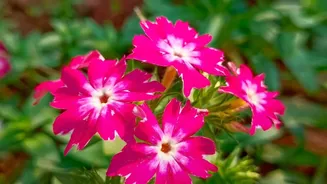
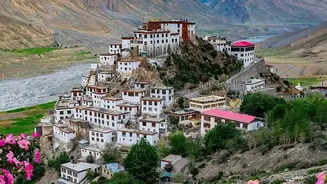
In the Leh district, at an elevation of around 10,600 feet, twin flower fields in Choglamsar and Stakna have sprung to life, creating what are described as the world's highest-altitude commercial flower fields. Spread over approximately 40 acres, these
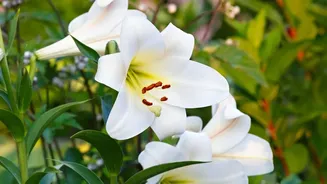
fields are now home to over 2.5 million flowering plants, dominated by a staggering 2.4 million Lilium and around 100,000 Gladiolus plants. Inaugurated in September 2026, this ambitious initiative is not just an aesthetic marvel but a large-scale experiment to prove the viability of commercial floriculture in one of India's most challenging environments. The sight of these vibrant blooms against the rugged backdrop of the Himalayas marks a new chapter for the region.
The Science Behind the Spectacle
This agricultural feat is the result of a strategic collaboration between the Ladakh administration and the Council of Scientific and Industrial Research-Institute of Himalayan Bioresource Technology (CSIR-IHBT). The CSIR-IHBT provided crucial technical expertise, helping to identify flower varieties like Lilium and Gladiolus that are well-suited to Ladakh's unique climate of intense sun and cold, dry air. The project required careful planning, with plantation at Choglamsar beginning in July 2026 and flowering starting by early September. The Choglamsar site is being developed as a model centre to demonstrate scientific cultivation techniques and will also showcase tulips and other ornamental varieties. This science-led approach is crucial for overcoming the region's inherent agricultural limitations.
From Lab to Livelihood
Beyond the visual splendour, the core aim of the floriculture mission is to diversify agriculture and create new economic opportunities for Ladakh's farmers. The traditional agricultural window in Ladakh is very short, typically lasting only from May to September. High-value crops like flowers offer a lucrative alternative to conventional farming. Lilium stems, for instance, can fetch wholesale prices of ₹60–70 per stem, signaling strong commercial potential. The administration's plan involves managing the cultivation initially and then transferring the responsibility for harvesting, marketing, and value addition to local self-help groups (SHGs) and farmer cooperatives. This model aims to foster entrepreneurship and ensure that the economic benefits are rooted within the local community.
Overcoming High-Altitude Hurdles
Farming in Ladakh is fraught with challenges, including a harsh climate, a short growing season, and significant water scarcity, with most farmers dependent on glacial meltwater. Climate change has intensified these issues, with changing snowfall patterns and faster glacier retreat impacting water availability. The success of the flower fields, especially the rapid two-month development at the Choglamsar site, demonstrates how targeted scientific intervention can mitigate these problems. Furthermore, the project addresses another major regional challenge: the migration of youth away from agriculture towards tourism or government jobs by making farming a more profitable venture. Logistics are also key, and the first air shipment of 15,000 Lilium flowers to national markets in late September 2026 marked a critical step in connecting Ladakhi producers with buyers across the country.
A Floral Future and New Horizons
The success of the Lilium and Gladiolus fields is already inspiring further agricultural diversification. Building on this momentum, the administration has launched a pilot project to cultivate saffron in a restored barren patch of land at Spituk Pharka, using premium Iranian corms. These initiatives are part of a broader vision to transform Ladakh's agricultural landscape, making it more resilient, profitable, and sustainable. The flower fields are also expected to boost tourism, providing new, vibrant attractions for visitors and potential locations for film shoots. By turning barren land into productive assets, Ladakh is not just growing flowers; it is cultivating a future of economic self-reliance and opportunity.