





More Than Just a Place for Books
The fundamental mission of libraries—to provide free and equitable access to information—hasn't changed, but how they fulfill that mission has expanded dramatically. Today’s library is less a quiet repository and more a bustling community centre. It is a 'third
place' between home and work where people can learn, connect, and create. In line with national initiatives like Viksit Bharat 2047, libraries are being reimagined as crucial infrastructure for building a knowledge-based society. They are actively working to bridge the digital divide, offering resources that support education, skill development, and social integration. These institutions are evolving into dynamic learning environments that cater to the diverse needs of modern Indian society, from students and researchers to entrepreneurs and lifelong learners.
Your New Favourite Co-working Space
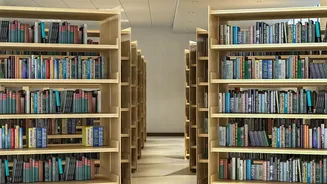
For freelancers, students, and remote workers, finding a quiet, productive space without paying for expensive cafes or co-working memberships can be a challenge. Enter the modern public library. Many now offer dedicated quiet zones, comfortable seating, and, most importantly, free high-speed Wi-Fi. These spaces are becoming invaluable for anyone needing a place to study for an exam, conduct research, or simply get work done without distractions. Some new libraries, like those in the Coforge Public Library network, are specifically designed with spacious, air-conditioned reading areas, wide aisles for accessibility, and a comfortable ambiance to foster productivity. This transformation makes the library an essential resource for professional and academic growth in the community.
A Gateway to the Digital Universe
Perhaps the most significant evolution is in the realm of digital resources. Your library card is now a key that unlocks a vast universe of online content, accessible 24/7 from anywhere. Initiatives like the National Digital Library of India (NDLI) provide free access to millions of e-books, academic journals, videos, and other learning materials. Many local and state libraries have also invested in their own digital collections, offering popular e-books and audiobooks through user-friendly apps. This shift democratizes access to information, allowing users to pursue education and hobbies without the barrier of cost. Whether you're a student needing research papers or simply want the latest bestseller for your commute, the digital library has you covered.
A Hub for Lifelong Learning and Skills
Libraries have embraced their role as centres for lifelong learning, offering a wide array of programs to help citizens upskill. These often include workshops on digital literacy, helping those less familiar with technology gain crucial skills for navigating the modern world. You might find classes on basic computer use, career development workshops to assist with job hunting, or even language learning groups. For example, the Nehru Centre Library in Mumbai hosts creative writing workshops, while other community library projects focus on providing a platform for children and women to gain skills that can lead to livelihood opportunities. By offering these services, libraries empower individuals and contribute directly to the economic well-being of the community.
The Heartbeat of the Community
Beyond resources and workspaces, libraries are strengthening their role as social hubs. They are increasingly hosting community-focused events that bring people together. These can range from author talks and book club meetings to poetry recitals and storytelling sessions for children. Many libraries also serve as venues for local art exhibitions and cultural programs, reflecting the unique character of the community they serve. NGOs and CSR initiatives are also setting up libraries that double as community centres, running a busy calendar of activities to foster holistic growth and engagement. These events transform the library from a place of solitary study into a lively centre for connection, conversation, and cultural enrichment.