




What Are Toe-Tapping Exercises?
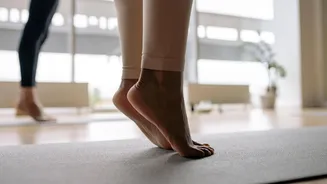
At its core, toe-tapping is a rhythmic movement that can be performed while sitting, lying down, or standing. The term can refer to several variations, but they all share a common goal: engaging the muscles in your lower body and core. A common version
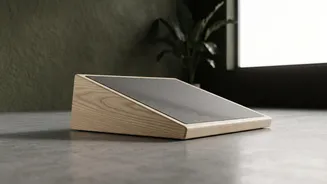
involves sitting with your feet on the floor and simply lifting your toes up and down. Another popular variation, often used in cardio or for balance training, involves standing in front of a low, stable object—like a bottom stair or a small stool—and alternately tapping the ball of each foot on top of it. Regardless of the style, the principle remains the same: it is a simple, controlled movement focused on repetition.
The Surprising Benefits of a Simple Movement
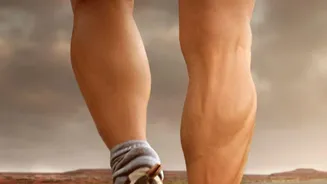
Don't let the simplicity fool you; toe taps pack a significant wellness punch. A primary benefit is improved circulation, especially in the legs and feet. This gentle movement helps stimulate blood flow, which can reduce feelings of numbness or tingling and may even help lower swelling. For those who sit for long periods, like office workers, it is an excellent way to counteract the effects of a sedentary position. Beyond circulation, these exercises are fantastic for strengthening the muscles in your ankles, calves, and shins. This helps improve overall stability and mobility, which is crucial for maintaining balance and preventing falls, particularly for older adults. Some versions of the exercise, especially those performed while lying down, are also highly effective for strengthening deep core muscles that support the spine.
How to Perform Toe Taps Safely
The key to unlocking the benefits of toe taps lies in proper form. For a standing tap, find a stable object about 10 to 12 inches high that won't move. Stand in front of it and begin by lightly tapping the ball of one foot on the edge, then immediately switch to the other foot. The movement should be quick but controlled, almost like running in place very gently. Your full weight should not be placed on the object. For a seated version, sit comfortably in a chair with your feet flat on the floor. Simply lift the toes of one foot, keeping your heel on the ground, and tap them for about 30 seconds before switching to the other foot. Another variation is performed lying on your back with your knees bent and legs in a tabletop position; from there, you lower one foot at a time to tap the floor. This engages the core significantly.
Comfort is Key: Never a Pain Test
The headline of this piece contains the most important advice: your exercise session should always feel comfortable, not like an endurance test against pain. If you feel any sharp or stabbing pain in your shins, ankles, or feet, it's a signal to stop. The goal is gentle stimulation, not strain. For many exercises, there is a temptation to push through discomfort, but with movements like toe taps, this is counterproductive and can lead to injury. The focus should be on controlled, pain-free motion. You do not need to tap the floor or object with force; a light touch is all that is required. Listening to your body is crucial for making this a sustainable and beneficial part of your routine.
Using Balance Support When Needed
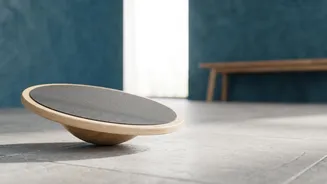
For the standing version of toe taps, maintaining balance is part of the exercise itself. However, if you feel unsteady, it is essential to use support. There is no benefit in risking a fall. Simply stand near a wall, a sturdy chair, or a countertop that you can hold onto. This allows you to perform the movement correctly and safely, getting all the benefits of the exercise without the risk of injury. As your balance improves over time, you can gradually reduce your reliance on the support. A modified standing version for those concerned about balance involves tapping one foot and returning it completely to the floor before lifting the other, ensuring both feet aren't off the ground at the same time.