


What Exactly Is Okra Mucilage?
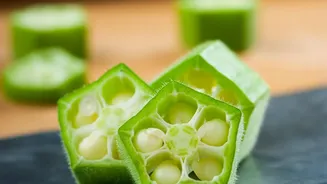
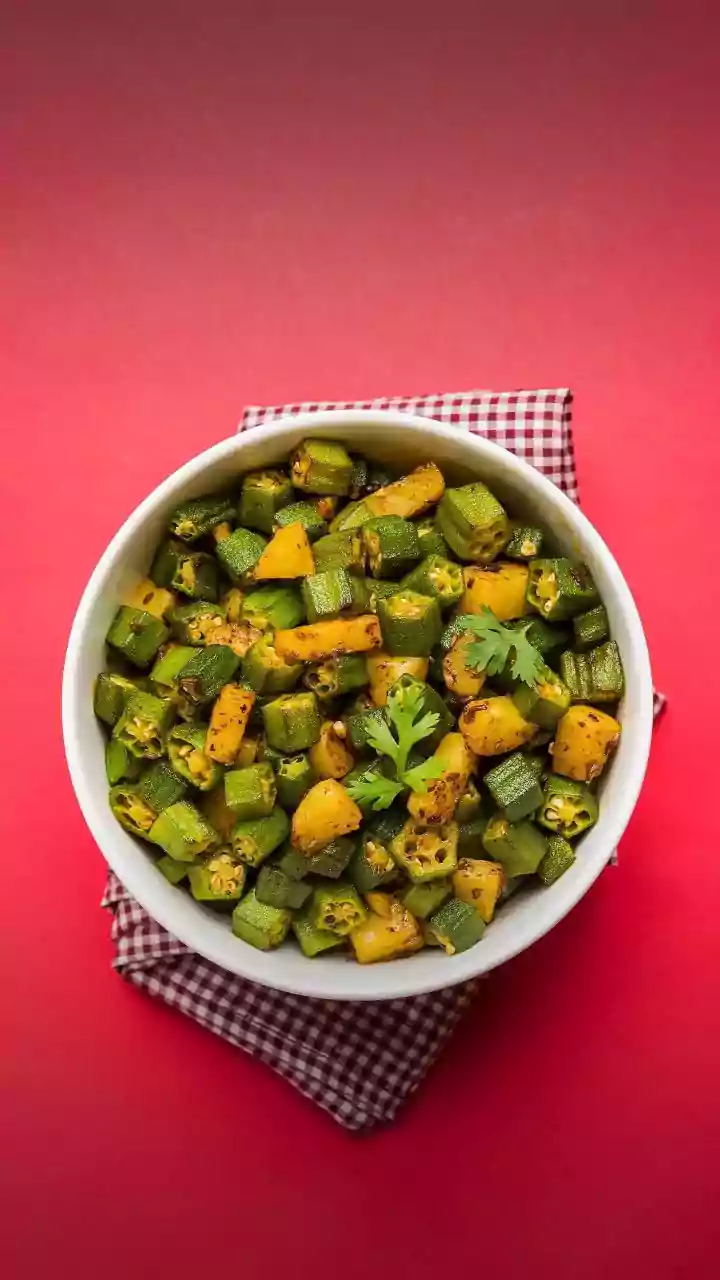
You know that slimy, gel-like substance inside a bhindi pod? That’s mucilage. It's a thick, viscous liquid made up of polysaccharides (complex sugars), proteins, and other compounds. In the plant world, mucilage helps store water and food, and in the kitchen,
it acts as a natural thickener for stews and curries. Recently, this same slippery gel has captured the imagination of skincare enthusiasts online, who claim it can do everything from hydrate to erase wrinkles.
The Proven Perk: A Hydration Powerhouse
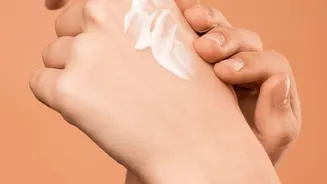
Here’s where the science backs up some of the hype. The polysaccharides in okra mucilage are excellent humectants, meaning they attract and hold onto water. When applied to the skin, this can provide a significant hydrating effect, helping to keep it soft, plump, and supple. Think of it as a natural alternative to ingredients like hyaluronic acid, which works in a similar way to draw moisture into the skin. This makes okra extract a genuinely promising ingredient for tackling dryness and improving the skin's moisture barrier. Several research studies have noted its moisturizing properties, making it a point of interest for cosmetic formulations.
More Real Benefits: Antioxidants and Soothing Properties
Beyond hydration, okra is rich in antioxidants like vitamins A and C, as well as various flavonoids and phenols. These compounds help your skin fight off damage from free radicals—unstable molecules from pollution and UV rays that accelerate aging. By neutralizing these aggressors, the antioxidants in okra can theoretically help protect the skin and maintain a more youthful appearance. Additionally, some studies suggest that okra has anti-inflammatory properties that can help soothe irritated skin, reduce redness, and calm conditions like acne.
The Big Myth: Not a 'Natural Botox'
This is the most sensational claim and, unfortunately, the least accurate. The term "botox" refers to botulinum toxin, a neurotoxin that is injected to temporarily paralyze facial muscles, thereby smoothing expression lines. No topical cream or plant gel can replicate this effect. While some peptides derived from okra seeds may have a mild, temporary muscle-relaxing effect on the skin's surface, it is nowhere near the power of an injection. The plumping and fine-line-reducing effect seen in viral videos is primarily due to the intense, temporary hydration from the mucilage, which can make skin appear smoother for a short time. It hydrates, but it doesn't paralyze muscles.
The DIY Dilemma: Is Applying Raw Bhindi Safe?
While making a face mask from kitchen ingredients seems harmless, dermatologists advise caution. Applying raw, unsterilized plant matter directly to your face introduces the risk of bacteria, mould, and pesticide residue, which can lead to breakouts, irritation, or allergic reactions. Some people may even have a sensitivity to okra itself, which can cause contact dermatitis. The fibrous content of raw bhindi might also cause an allergic reaction or aggravate conditions for those with oily or sensitive skin. The pH of a homemade concoction can also be mismatched with your skin's natural acidity, potentially disrupting its protective barrier.
The Smart Way to Embrace Okra's Potential
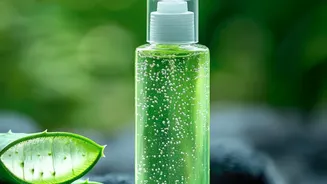
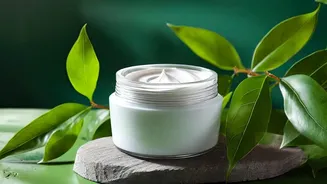
If you're intrigued by okra's benefits, the safest and most effective approach is to look for professionally formulated skincare products that contain okra extract. Cosmetic scientists can extract and purify the beneficial compounds, like phyto-mucins and peptides, and combine them in stable, pH-balanced formulas that are safe for skin. These products deliver the hydrating and antioxidant benefits without the risks of a DIY mask. You get the goodness of bhindi without the guesswork and potential for irritation, often combined with other beneficial ingredients that enhance its effects.