



The Endless Sea of Green Plantations
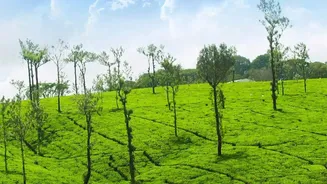
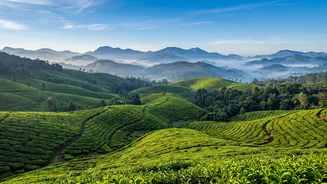
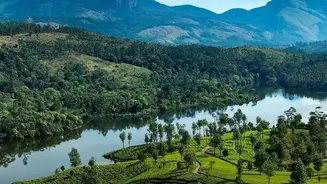
The first image that comes to mind when you think of Munnar is the rolling hills blanketed in meticulously manicured tea gardens. These plantations, some dating back to the British colonial era, are the heart and soul of the region. A drive through the narrow
roads that snake around these estates feels like navigating a vibrant green ocean. The air is crisp and fragrant with the scent of tea. For a deeper experience, many estates offer guided tours where you can witness the art of tea plucking and processing. A visit to the KDHP Tea Museum provides a fascinating glimpse into the history of tea cultivation in the area. But beyond the education, it's the sheer visual spectacle of these vast green carpets, often shrouded in a light mist, that truly captivates every visitor.
Into the Wild: The Shola Forests
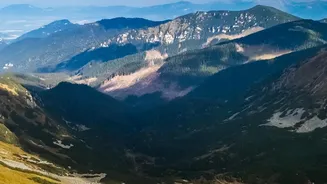
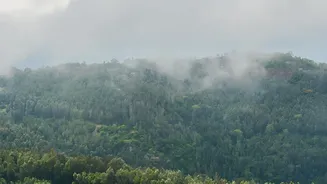
Beyond the cultivated slopes lie the wild, dense shola forests, a unique ecosystem of stunted tropical montane forests found in valleys nestled among rolling grasslands. The best place to experience this is at Eravikulam National Park, the first national park established in Kerala. This protected area is a sanctuary for the endangered Nilgiri Tahr, a mountain goat endemic to this region. A walk through the park reveals a landscape starkly different from the tea gardens—it's rugged, ancient, and teeming with biodiversity. The park’s high-altitude grasslands and sholas are also home to Anamudi, the highest peak in South India. This mosaic of grassland and forest is a vital ecological treasure, offering a glimpse into the raw, untamed beauty of the Western Ghats.
Chasing Majestic Waterfalls
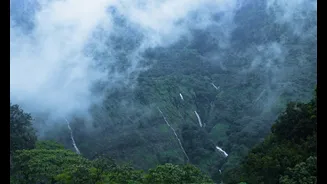
Munnar’s hilly terrain and abundant rainfall give rise to numerous stunning waterfalls, each with its own charm. During and after the monsoon season, these cascades come to life, becoming powerful torrents that slice through rocky cliffs and lush forests. Attukad Waterfalls, located between Munnar and Pallivasal, is a popular spot surrounded by dense greenery, making the journey as beautiful as the destination itself. Lakkam Waterfalls, not far from Eravikulam National Park, offers a more serene experience, with the chance to take a refreshing dip in its cool waters. Then there are falls like Cheeyappara and Valara, which are dramatic roadside spectacles on the highway to Munnar, greeting you with their misty spray. Whether you're trekking to a hidden gem or stopping at a well-known viewpoint, chasing waterfalls is an essential part of the Munnar experience.
Weaving It All Together
The magic of Munnar lies in how seamlessly these three landscapes blend into one another. A typical day could begin with a misty morning walk through a tea estate, followed by an afternoon exploring the wildlife within Eravikulam National Park, and end with the thunderous sight of a nearby waterfall. The best time to visit for pleasant weather is from September to March, when the greenery is lush post-monsoon and the climate is cool and comfortable for sightseeing. Getting around is best done by hiring a local taxi or auto-rickshaw, as drivers are familiar with the winding roads and best viewpoints. Plan for at least three to four days to do justice to the region, allowing yourself to slow down and truly absorb the serene atmosphere. This isn’t a destination to rush; it’s a place to immerse yourself in nature’s diverse artistry.