






The Mushroom's Hidden Talent
First, a quick clarification: while we cook and eat them like vegetables, mushrooms are technically fungi. This distinction is key to their unique nutritional profile. Unlike plants, mushrooms contain a compound called ergosterol. This is the fungal equivalent
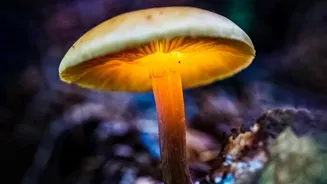
of cholesterol in animals. When our skin is exposed to ultraviolet (UV) light from the sun, we produce vitamin D3. In a strikingly similar process, when mushrooms are exposed to UV light, their ergosterol converts into vitamin D2 (ergocalciferol). This remarkable ability means mushrooms are one of the only non-animal, unfortified food sources that can provide a substantial amount of vitamin D. However, there's a major catch: most commercially grown mushrooms are cultivated in the dark and have very little exposure to the light needed to trigger this conversion.
From Dark to Light: The UV Difference
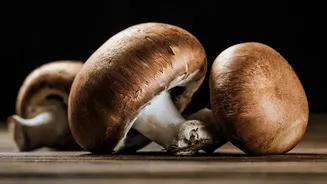
A standard pack of button, cremini, or portobello mushrooms grown indoors might contain negligible amounts of vitamin D. But when those same mushrooms are exposed to UV light, their vitamin D levels can skyrocket. This can happen naturally if they are wild-harvested, like some chanterelles and morels, which tend to have higher levels than their farmed counterparts. More commonly, commercial growers now use a post-harvest process, exposing mushrooms to UV lamps for just a few seconds or minutes. This controlled exposure can dramatically increase the vitamin D content, often providing more than 100% of the daily recommended intake in a single serving. Some studies have shown that even 15 seconds of UV light can make a huge difference. When shopping, look for packaging that explicitly states the mushrooms are “UV-treated” or “high in vitamin D” to ensure you’re getting the benefit.
DIY Vitamin D: The Sunlight Hack
You don't have to rely solely on producers for vitamin D-rich mushrooms. You can easily boost the levels of store-bought mushrooms at home. The process is simple: slice your mushrooms and lay them out in the sun. Research has shown that placing sliced mushrooms in direct sunlight for as little as 15 to 60 minutes can significantly increase their vitamin D2 content. Slicing is key here, as it increases the surface area exposed to the sun's UV-B rays. The gills of a mushroom are particularly rich in ergosterol, so placing them gill-side up can be extra effective. Even on a partly cloudy day, this process works, though it might take a bit longer. The vitamin D they produce is surprisingly stable and will last for over a year in dried mushrooms, making this a great trick before dehydrating a fresh haul.
Does Cooking Destroy the Vitamin?
Once you have your vitamin D-enhanced mushrooms, you might wonder if cooking will undo all your hard work. The good news is that vitamin D2 is fairly heat-stable. Studies on cooking methods show that the retention of vitamin D2 is quite high, ranging from about 53% to over 95% depending on the study and cooking method. Pan-frying and baking seem to retain the vitamin particularly well. One study found that stir-frying resulted in around 89% retention. Since vitamin D is fat-soluble, cooking mushrooms in a lot of oil could cause some of the vitamin to leach into the oil, but general cooking methods like sautéing, roasting, and grilling will leave much of the nutrient intact.
Is Mushroom Vitamin D as Good?
The vitamin D from mushrooms is D2, whereas the vitamin D from animal sources like fatty fish and supplements is often D3. For a long time, it was debated whether D2 was as effective as D3. However, several human studies have shown that vitamin D2 from mushrooms is effective at raising and maintaining blood levels of vitamin D in the body, performing just as well as equivalent doses of D2 or even D3 supplements. For those following vegetarian or vegan diets, UV-exposed mushrooms are an excellent, natural, and effective source of this crucial nutrient, which is otherwise difficult to obtain from plant-based foods.