


The Aravallis Reborn
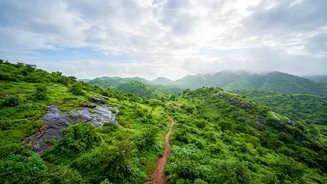
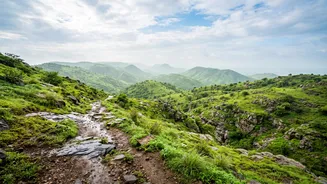
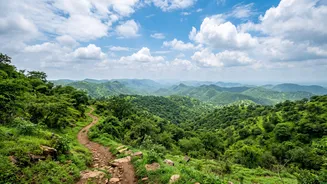
For most of the year, the ancient Aravalli range that cradles Jaipur wears a rugged, dry look. But from July to September, the landscape undergoes a dramatic rebirth. This isn't just a subtle shift; it’s a complete overhaul of the ecosystem. The dry deciduous
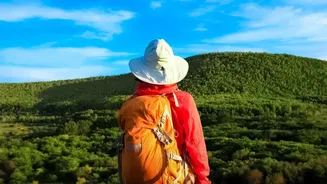
trees, which shed their leaves to survive the heat, burst into life, creating a lush canopy. The forest floor gets carpeted with grass, seasonal wildflowers bloom, and the air fills with the scent of wet earth and the calls of peacocks. This transformation creates a unique opportunity for outdoor enthusiasts, giving rise to a vibrant trekking culture that allows locals and visitors to experience a side of Rajasthan often missed by tourists.
Hathni Kund: The Waterfall Trek
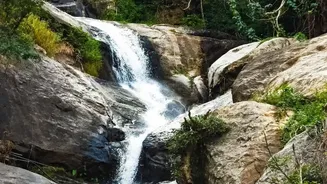
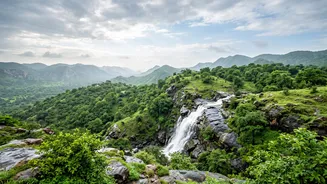
Perhaps the most sought-after monsoon trek in Jaipur is the one leading to Hathni Kund. Primarily known for its seasonal waterfall that cascades with force during the rains, this trail offers a quintessential monsoon experience. The trek, which often starts from near Charan Mandir, winds through dense foliage and offers stunning views. The destination itself is a natural pond surrounded by lush vegetation, with a powerful waterfall that only exists during this season. The popularity of Hathni Kund speaks to a deeper meaning: it has become a symbol of the monsoon's transient beauty, drawing crowds who come to witness the landscape's temporary abundance and the revival of what is believed to be the source of the Dravyavati River.
Nahargarh Fort: The Classic Climb
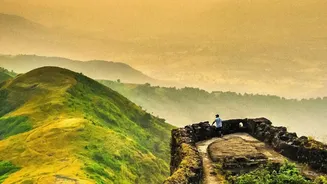
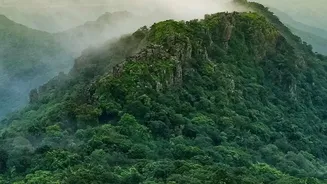
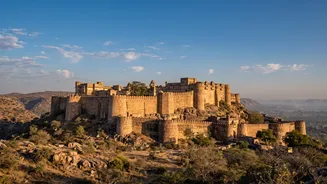
The trek to Nahargarh Fort is a year-round favourite, but it takes on a special character during the monsoon. The historic cobbled path leading up to the fort becomes an atmospheric route, often shrouded in mist. From the fort’s ramparts, the panoramic view of a rain-washed Jaipur, with the city’s pink architecture contrasting against the green hills, is breathtaking. During the rains, the fort feels less like a historical monument and more like a romantic viewpoint suspended in the clouds. This accessibility means that the trail serves as an introduction for many to the joys of monsoon hiking, connecting the city's history with its living, breathing landscape.
Bhuteshwar Nath Mahadev: A Spiritual Journey
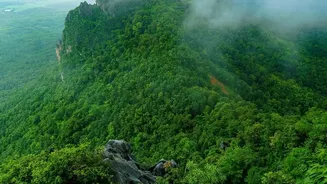
For those seeking a blend of adventure and spirituality, the trek to Bhuteshwar Nath Mahadev temple offers a more tranquil experience. This trail, which can be started from near the Nahargarh Biological Park, takes you deeper into the forested parts of the Aravallis. It’s a moderate trek that culminates at a centuries-old Shiva temple nestled in the hills. Unlike more crowded routes, this trek offers a sense of peace and pilgrimage. Its significance lies in how it preserves a cultural tradition of journeying to sacred sites on foot, a practice that fosters a respectful and intimate connection with the natural environment, especially when it is at its most vibrant during the monsoon.
What It Means for the Landscape
The rise of monsoon trekking in Jaipur signifies a growing appreciation for the region's native ecology. These trails do more than provide recreation; they turn the Aravalli hills into a seasonal attraction, highlighting their environmental importance. By drawing people into the hills to witness their transformation, trekking fosters a sense of ownership and a desire for conservation. It reminds everyone that this landscape is not a barren backdrop but a dynamic ecosystem worth protecting. However, this increased footfall also brings challenges, underlining the need for responsible trekking practices—like carrying out litter and sticking to marked paths—to ensure that the beauty of these rainy-season landscapes can be preserved for years to come.