



Khinaliq: The Village in the Clouds
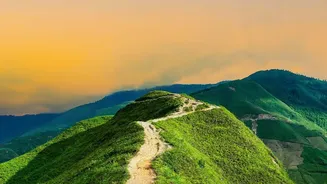
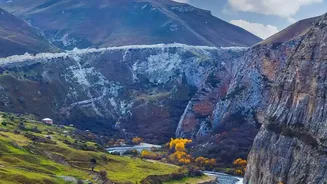
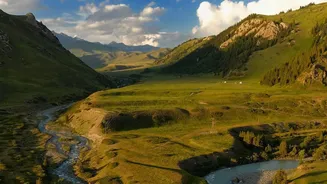
Perched at over 2,300 meters in the Greater Caucasus mountains, Khinaliq is one of the oldest and highest continuously inhabited villages in the world. Its history stretches back 5,000 years, a fact felt in its stone houses, winding paths, and the unique
language spoken only by its residents. The journey to Khinaliq is an adventure in itself, with a mountain road from the town of Quba offering breathtaking panoramas of deep valleys and rugged peaks. Once there, visitors can explore the small museum, visit ancient mosques, or simply absorb the profound silence of the mountains. It's a prime destination for hikers and those looking for an authentic homestay experience, offering a glimpse into a resilient culture preserved through millennia of isolation.
Lahij: A Living Crafts Capital
Nestled in a picturesque canyon, the village of Lahij feels like stepping into the past. Famous for its cobblestone streets and centuries-old tradition of copper craftsmanship, Lahij was once home to over 40 different trades. Today, the rhythmic sound of hammers on copper still echoes through its narrow lanes, as artisans in small workshops continue a legacy passed down through generations. Visitors can watch them at work, purchase unique handmade souvenirs, and explore the historic stone houses. The inhabitants are mainly ethnic Tats, who speak their own distinct language. Just a few hours from Baku, Lahij offers a perfect cultural detour and serves as a great base for hikes into the surrounding mountains.
Sheki: Silk Road City and Mountain Trails
While Sheki is known for its magnificent Khan's Palace, a UNESCO World Heritage site, the real off-the-beaten-path experience lies in the mountains that cradle the city. As a historic stop on the ancient Silk Road, the region is laced with old shepherd and trade routes perfect for exploring on foot. The Transcaucasian Trail offers marked paths leading through dense forests, past highland pastures, and towards ancient ruins like the Galarsan-Gorarsan fortress. Nearby, the village of Kish is home to one of the world's oldest churches, believed to be a significant site in early Caucasian Albanian history. Combining the city's rich history with the raw beauty of its natural surroundings provides a rewarding and diverse travel experience.
Gobustan: Mud Volcanoes and Ancient Art
Just an hour from Baku, the Gobustan region presents a landscape that is both prehistoric and otherworldly. While its famous petroglyphs (rock carvings) are a major draw, the area is also home to nearly half of the world's mud volcanoes. These strange, bubbling mounds of cold mud create a surreal, moon-like terrain. An off-road tour is the best way to witness these bubbling craters up close, a natural phenomenon caused by underground gases pushing mud and water to the surface. Combining the eerie beauty of the mud volcanoes with the area's vast collection of ancient rock art offers a unique journey into Azerbaijan's deep geological and human history.
The Talysh Mountains and Hirkan National Park
In the country's subtropical south, near the Iranian border, the Talysh Mountains offer a lush, green contrast to Azerbaijan's other regions. This area is home to Hirkan National Park, a protected expanse of ancient Hyrcanian forests with trees that survived the last Ice Age. The park's ecosystem is a humid, dense relict forest filled with twisted ironwood trees, mossy oaks, and a rich diversity of wildlife. It is a paradise for birdwatching and hiking, with trails leading to waterfalls and remote villages like Sim, a scenic hamlet known for its beekeeping. Largely untouched by mass tourism, this region provides a peaceful escape into one of the country's most unique natural environments.