


The Golden Stripes: Tiger Country
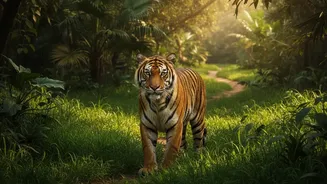
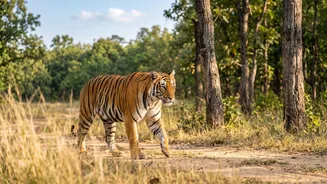
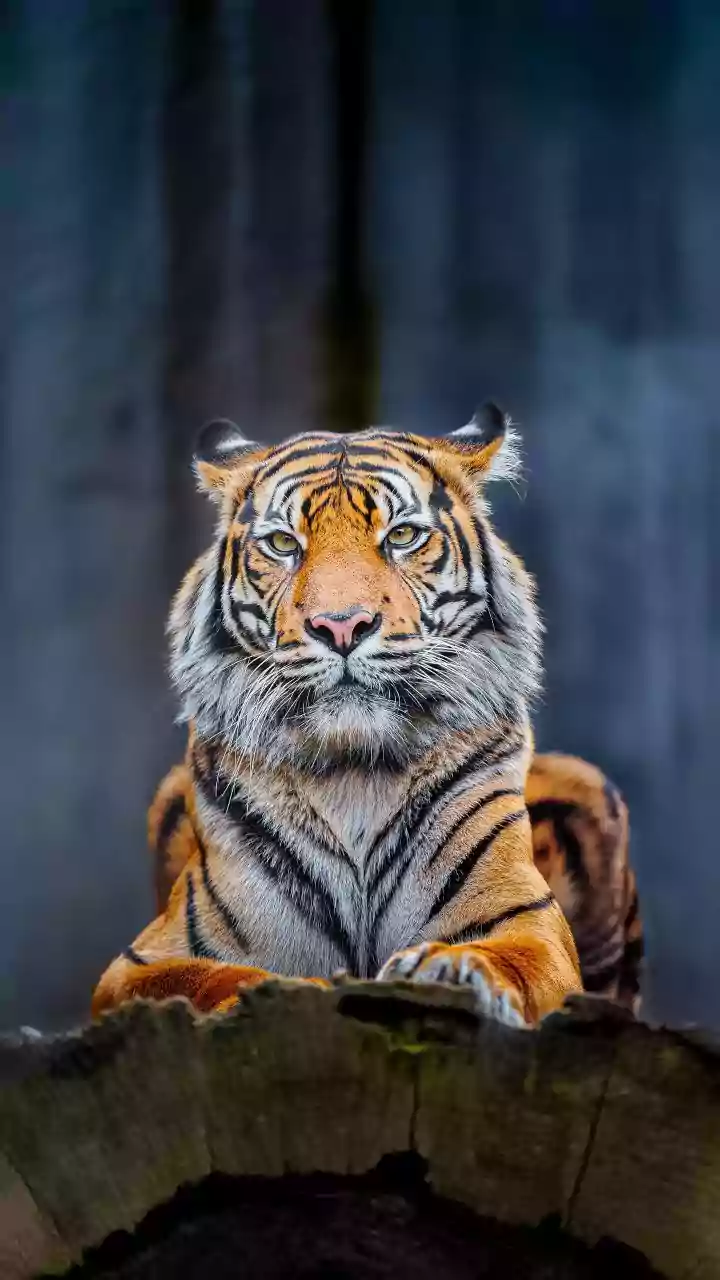
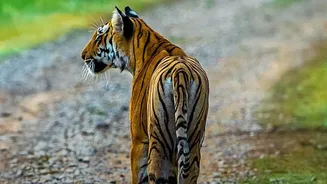
India is home to over 75% of the world's wild tigers, making it the premier destination for spotting this magnificent cat. National parks in Central India are legendary for their tiger density. Bandhavgarh and Kanha National Parks in Madhya Pradesh offer
dramatic, hilly landscapes and are often cited as having a high probability of sightings. Ranthambore in Rajasthan is another top contender, famous for its picturesque setting where tigers roam around ancient forts and lakes. Further north, Jim Corbett National Park in Uttarakhand, India's oldest, provides a different experience with its dense sal forests and riverine grasslands. The peak season for tiger sightings is typically from March to May when the heat draws animals to waterholes, making them easier to spot. However, remember that these are elusive animals, and patience is key.
The Elusive Ghost: Leopard Landscapes
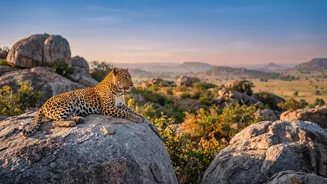
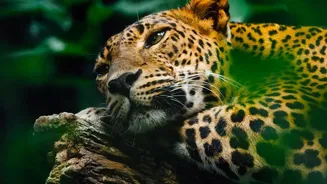
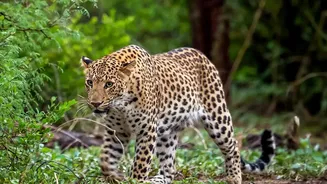
Often overshadowed by the tiger, the Indian leopard is a master of stealth and a thrilling sight for those patient enough to track it. Unlike tigers, leopards are incredibly adaptable, and can be found in a range of habitats, from dense forests to rocky outcrops near human settlements. For a unique safari experience focused on leopards, Jawai in Rajasthan is unparalleled. Here, leopards live harmoniously among the granite hills and the local Rabari herdsmen, offering unusually open sightings. Other excellent locations include Satpura National Park in Madhya Pradesh, where the rugged terrain is ideal for leopards, and Nagarhole and Bandipur National Parks in Karnataka, where they share the habitat with tigers and elephants. Even Sanjay Gandhi National Park, within Mumbai's city limits, hosts a significant leopard population.
The Gentle Giants: Elephant Realms
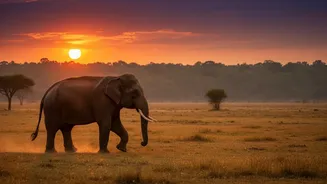
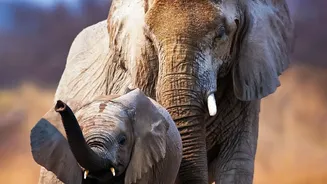
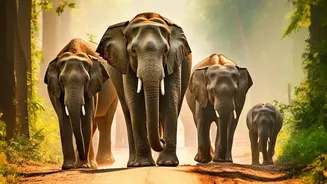
Witnessing a herd of wild Asiatic elephants is a truly humbling experience. Southern India is a stronghold for these gentle giants. The Nilgiri Biosphere Reserve, which includes Nagarhole and Bandipur National Parks in Karnataka, Mudumalai in Tamil Nadu, and Wayanad in Kerala, is home to the country's largest elephant population. Here, you can often see large herds moving through the forests or bathing in the backwaters. In the northeast, Kaziranga National Park in Assam is another fantastic destination for elephant sightings, alongside its famous rhinos. Project Elephant, a government initiative, works to protect these animals and their migratory corridors, which are vital for their survival. Safaris in these parks offer a chance to observe the complex social behaviour of these intelligent animals in their natural environment.
The Prehistoric Survivor: Rhino Strongholds
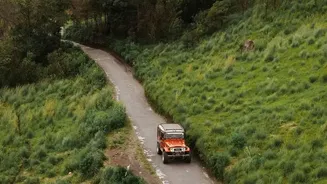
Home to two-thirds of the world's population, Kaziranga National Park in Assam is the undisputed best place to see the Indian one-horned rhinoceros. The park's vast grasslands and wetlands, on the banks of the Brahmaputra River, make sightings almost a certainty. An early morning elephant-back safari can get you remarkably close to these prehistoric-looking creatures as they graze. Jeep safaris are also available and cover a wider area, offering chances to see the park's other residents, including tigers, elephants, and wild water buffalo. The conservation success story at Kaziranga has brought the rhino back from the brink of extinction, making a visit here a powerful lesson in protecting our natural heritage.
A Word on Expectations
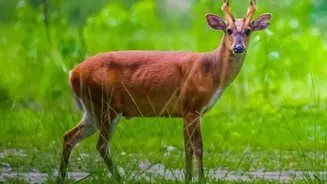
The most important rule of any safari is that sightings are never guaranteed. The jungle does not perform on command. Instead of focusing solely on a checklist of animals, embrace the entire experience. Listen to the alarm calls of deer and monkeys, which often signal a predator's presence. Appreciate the diverse birdlife, the unique flora, and the sheer tranquility of the forest. A good naturalist or guide is invaluable; their knowledge can transform your drive into a fascinating lesson in ecology. Dress in neutral colours, remain quiet and patient, and never pressure your driver to get too close to an animal. The thrill of a safari lies in the unpredictable nature of the wild. By respecting the environment, you not only increase your chances of a meaningful encounter but also contribute to the conservation of these incredible spaces.