






Why Vegetable Prices Fluctuate So Much
The sticker shock at the vegetable stall isn't just your imagination. Prices for essentials like tomatoes, onions, and potatoes are notoriously volatile in India. This is because vegetables are highly perishable and their supply is sensitive to a range
of factors. Unseasonal rains, heatwaves, and other extreme weather events can disrupt harvests and damage crops, leading to sudden shortages. Add in transportation costs, inadequate storage infrastructure, and seasonal supply gaps, and you have a perfect recipe for unpredictable price swings that can make budget-conscious cooking a major challenge. While staples like potatoes can be kept in cold storage, highly perishable items like tomatoes are more prone to sharp price spikes, especially during monsoon season.
The Power of a Flexible Plan
A flexible menu isn't a lack of a plan; it's a smarter plan. Instead of rigidly deciding that you will make 'aloo gobi' on Tuesday and 'bhindi masala' on Friday, you plan the type of dish you'll make and leave the specific vegetable open. This allows you to adapt to what's fresh, abundant, and most importantly, affordable at the local market. By embracing flexibility, you shift from being a victim of price spikes to a savvy shopper who capitalises on deals. This approach not only saves money but also significantly reduces food waste, as you're buying and using what is at its peak freshness.
Step 1: Adopt the 'Base and Flex' Method
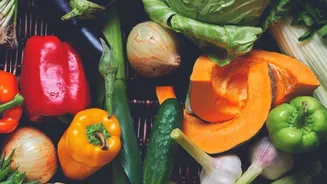
The easiest way to start is by planning your core meals—the staples you eat regularly like dal, sambar, rotis, and rice. These form the 'base' of your menu. The 'flex' component is the vegetable accompaniment. For example, your plan might look like this: - Monday: Dal + Rice + A seasonal green sabzi. - Tuesday: Roti + A dry sabzi made from a gourd or root vegetable. - Wednesday: Sambar + Rice + A stir-fried vegetable. When you go shopping, you're not locked into buying expensive beans or cauliflower. Instead, you look for the best-value green vegetable or gourd available that day. It could be spinach, amaranth, bottle gourd (lauki), or ridge gourd (turai). This keeps your meals varied and your budget intact.
Step 2: Become a Smarter Shopper
Flexible planning works best when paired with smart shopping habits. Buying local and seasonal produce is a cornerstone of this strategy. Seasonal vegetables are almost always cheaper because they are abundant and don't require costly transportation or storage. Before you shop, check what you already have in your pantry and fridge to avoid buying duplicates. At the market, don't just go to one vendor. Walk around, compare prices, and see what's plentiful. When you see a great deal on a particular vegetable, that's your cue to incorporate it into your flexible plan for the week.
Step 3: Build a Versatile Pantry
A well-stocked pantry is the backbone of a flexible kitchen. It gives you the power to turn any vegetable you bring home into a delicious meal. Essential items include a variety of lentils and beans, rice and other whole grains, and a robust spice collection. Having basics like onions, ginger, garlic, and tomatoes (or tomato puree for when fresh prices are high) on hand allows you to create a base for countless Indian curries and sabzis. With these staples, a fresh, affordable vegetable is all you need to complete a meal. Consider keeping some frozen vegetables like peas or corn as a backup for days when fresh options are limited or too expensive.