




In a world that often moves too fast, there's a unique joy in slowing down. Rediscover the art of leisurely strolling through the world's most enchanting historic markets, where pedestrian-friendly lanes invite you to wander and wonder.
La Boqueria, Barcelona, Spain
Located just off
the bustling La Rambla, the Mercat de Sant Josep de la Boqueria is a sensory explosion. With origins tracing back to the 13th century, this is arguably Barcelona's most famous market. While the main thoroughfare can be crowded, its true magic lies in the smaller, less-travelled aisles where you can move at your own pace. The current iron structure, dating to the 19th century, houses over 200 stalls. It's a place to slowly admire the vibrant pyramids of fresh fruit, sample Jamón Ibérico, and watch as local chefs and residents select their ingredients. For a true slow-exploration experience, arrive early to avoid the peak rush or find a seat at one of the small tapas bars tucked inside, like El Quim de la Boqueria, to simply watch the market life unfold.
Pike Place Market, Seattle, USA
One of the oldest continuously operated public farmers' markets in the United States, Pike Place Market is a quintessential Seattle experience. Perched above the Elliott Bay waterfront, it's much more than just the famous fish-throwing mongers. The nine-acre historic district is a labyrinth of artisan stalls, craft shops, and food producers best explored on foot. Walking through its various levels reveals hidden corners, flower-filled alleys, and stunning views of the water. To truly embrace the spirit of slow exploration, join a guided walking tour to hear the stories behind the vendors or simply wander aimlessly, tasting your way through a diverse range of local treats from smoked salmon to fresh pastries. The market is designed for meandering, inviting you to spend hours discovering its many secrets.
Nishiki Market, Kyoto, Japan
Known as 'Kyoto's Kitchen', Nishiki Market is a narrow, five-block-long shopping street that has been the centre of the city's culinary life for over 400 years. This covered arcade is entirely pedestrian, making it a perfect destination for a focused, leisurely stroll. With more than one hundred shops and restaurants, the market is a deep dive into Japanese cuisine. Here, you can move from stall to stall, sampling Kyoto specialties like soy milk doughnuts, fresh yuba (tofu skin), and pickled vegetables. Many shops have been run by the same families for generations. The narrowness of the passage encourages a slower pace, allowing you to appreciate the craftsmanship of everything from handmade knives to delicate sweets.
Grand Bazaar, Istanbul, Turkey
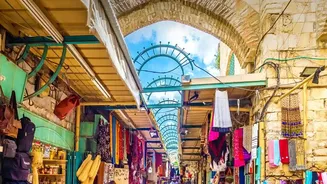
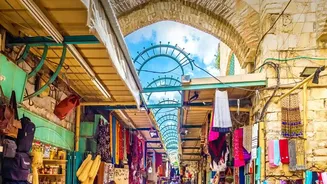
One of the oldest and largest covered markets in the world, Istanbul's Grand Bazaar is a city within a city. Dating back to the 15th century, it comprises 61 covered streets and over 4,000 shops. While its scale can seem overwhelming, the bazaar is best approached not as a shopping mall but as a historical district to be explored on foot. The key to slow exploration here is to wander away from the main thoroughfares, where the crowds are thickest. Delve into the quieter side streets and 'hans' (historic courtyards) where artisans are still at work. Here you can discover shops selling intricate ceramics, handmade leather goods, and fragrant spices, often in a much calmer atmosphere. Getting lost is part of the experience, allowing for unexpected discoveries around every corner.
Queen Victoria Market, Melbourne, Australia
Covering seven hectares, the 'Queen Vic' is the largest open-air market in the Southern Hemisphere and a beloved Melbourne institution trading since 1878. The market is a vibrant mix of historic sheds, modern halls, and pedestrian-only laneways. Large sections, like the plaza in Queen Street, have been specifically designed to be pedestrian-friendly, with ample seating and shade for those who want to pause and soak in the atmosphere. You can leisurely walk through the open air sheds filled with fresh produce, explore the historic Meat and Fish Hall, and browse the delicacies in the Dairy Produce Hall. Its sheer size and well planned layout make it ideal for a slow paced morning of browsing tasting and people watching.