



The Appeal of the Seasonal Superfood
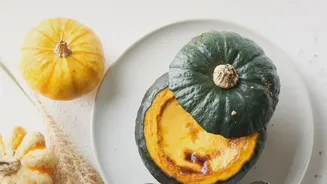
There's a reason we get excited about pumpkin every year. This versatile member of the squash family, known as 'kaddu' in many parts of India, is woven into our seasonal traditions. Nutritionally, it has a solid foundation. Pure pumpkin is packed with
vitamins and minerals, most notably beta-carotene, which the body converts into Vitamin A. This compound is responsible for its vibrant orange colour and is a powerful antioxidant. Pumpkin is also a great source of fibre, which aids digestion and can help you feel full longer. Add in a decent amount of Vitamin C, potassium, and other minerals, and it’s clear that pumpkin itself is a nutrient-dense food. These facts form the kernel of truth that most health claims are built upon.
When Healthy Claims Turn Unrealistic
The trouble begins when modest benefits are exaggerated into miracle cures. No single food can prevent major diseases on its own, yet you'll often see headlines that imply pumpkin can. While a diet rich in antioxidants from fruits and vegetables is linked to a lower risk of certain cancers, it's a dangerous overstatement to say pumpkin alone prevents cancer. The same goes for weight loss. While pumpkin is low in calories and high in fibre, which can support weight management, it's not a magic bullet. Many so-called 'healthy' pumpkin products are loaded with sugar and fat, which completely negates the benefits of the pumpkin they contain. A pumpkin spice latte or a slice of pumpkin pie is a treat, not a health tonic.
It's All About the Company It Keeps
This is perhaps the most critical part of reading the pumpkin story correctly. The health benefits of pumpkin are entirely dependent on how it's prepared and what it's served with. Adding a spoonful of pumpkin puree to your morning oatmeal is vastly different from eating a pumpkin-flavoured doughnut. Many commercial 'pumpkin spice' products barely contain any real pumpkin, instead relying on synthetic flavourings and a blend of spices. Watch out for breakfast items like sugary cereals, muffins made with refined flour, and sweetened yogurts. These items use the word 'pumpkin' as a health halo to mask less-healthy ingredients. The pumpkin itself isn't the problem; the added sugar, unhealthy fats, and processed carbohydrates it's often paired with are.
How to Build a Genuinely Healthy Pumpkin Breakfast
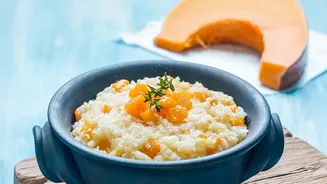
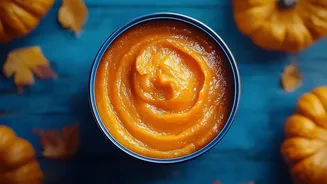
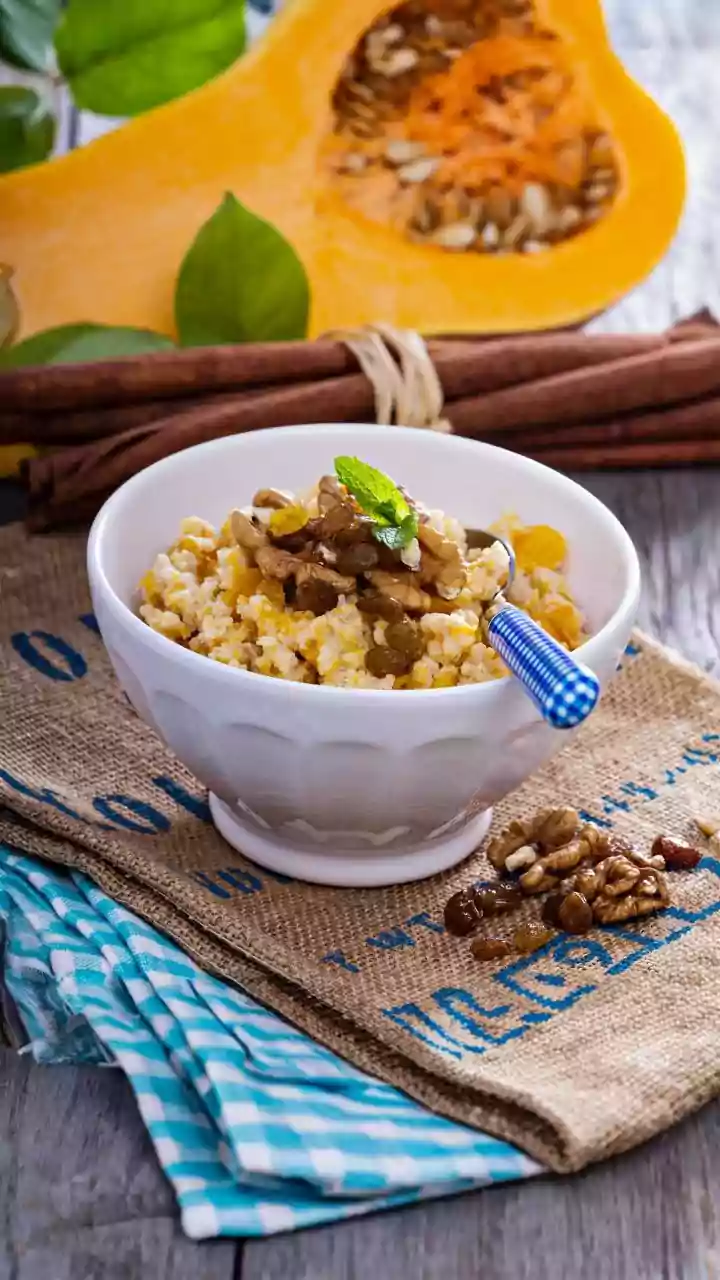
Enjoying the benefits of pumpkin at breakfast is easy if you focus on whole-food applications. Instead of buying pre-packaged goods, start with pure pumpkin puree (either canned or homemade). You can stir it into a bowl of plain oats or dahi for a creamy, nutrient-rich boost. Add it to the batter for whole-wheat pancakes or even a savoury chilla. A pumpkin smoothie, blended with milk or yogurt, a handful of greens, and a natural sweetener like a date, is another excellent option. For a simple but effective start to your day, try pumpkin toast: spread puree on a slice of whole-grain bread and sprinkle with cinnamon. Even pumpkin seeds, or pepitas, are nutritional powerhouses, rich in magnesium, zinc, and healthy fats, making them a perfect topping for your breakfast bowl.
Your Toolkit for Reading Any Health Story
The pumpkin predicament teaches us a valuable lesson that applies to every food trend, from 'superfood' berries to the latest 'miracle' grain. To become a more discerning reader of health news, use this simple checklist: 1. Consider the Context: Is the food being praised in its whole form, or is it an ingredient in a highly processed product? A 'veggie chip' is still a chip. 2. Look for Quantifiers: How much of the 'healthy' ingredient is actually in the food? A label might scream 'Made with Real Fruit,' but the actual amount could be minuscule. 3. Distinguish Between Association and Causation: A diet high in certain nutrients may be associated with better health outcomes, but that doesn't mean a single food causes those outcomes. Your overall dietary pattern is what matters most.