





Understanding Garlic's Power
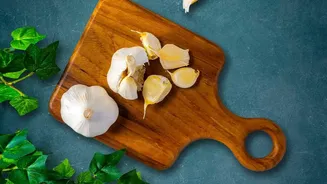
Garlic's superstar compound is allicin, which is responsible for its pungent smell and many of its antibacterial and heart-healthy properties. But here's the catch: allicin is only formed when a garlic clove is crushed, chopped, or chewed, causing two
other components, alliin and alliinase, to mix. Raw garlic provides the most potent allicin dose, but it can be harsh on the stomach, causing heartburn, gas, and digestive discomfort for many. This is where smart cooking comes into play, transforming the fiery bulb into something both beneficial and delicious.
The 10-Minute Rule
Here's a simple trick to get the best of both worlds. After you chop or crush your garlic, let it sit on the cutting board for about 10 minutes before you introduce it to heat. This short rest period allows the allicin-producing reaction to take place. When you toss it directly into a hot pan, the heat deactivates the enzyme alliinase, stopping the process short. By pausing for a few minutes, you allow the beneficial compounds to develop, many of which will survive gentle cooking. It's a small change in habit that significantly boosts the health benefits you get from your cooking.
Embrace the Roast
Roasting garlic completely transforms it. The harsh, sharp notes mellow into a sweet, creamy, and nutty flavour that you can spread like butter. While roasting does reduce allicin levels, it makes other antioxidants and beneficial compounds more available. Roasted garlic is still great for your heart and immune system. To roast, simply slice off the top of a whole garlic head, drizzle with olive oil, wrap it in foil, and bake until soft and golden. The resulting cloves are mild enough to be eaten in larger quantities, adding a deep, savoury flavour to sauces, mashes, and spreads without any of the raw pungency.
Gentle Sautéing and Infusions
There's an art to sautéing garlic, and it involves avoiding high heat. When garlic turns dark brown or burns, its health benefits plummet and it develops a bitter taste. For the best results, add minced or sliced garlic to warm, not sizzling, oil and cook gently until it becomes fragrant. Another wonderful method is creating garlic-infused oil. By gently heating whole, crushed cloves in oil and then straining them out, you get a flavourful oil perfect for dressings, drizzles, and cooking. This technique imparts garlic's essence without the fructans that can cause digestive issues for some people, making it a great option for those with sensitive stomachs.
Know Your Limits
Even with these gentler methods, more isn't always better. Eating garlic in excess can lead to side effects beyond just bad breath and body odour. It can cause digestive issues like bloating and heartburn, and in very large amounts, may even cause issues for the liver or increase bleeding risk, particularly for those on blood-thinning medication. There's no official daily recommendation, but a common guideline for enjoying the benefits without the drawbacks is about one to two cloves per day for a healthy adult. Listen to your body and enjoy this flavourful ingredient in moderation as part of a balanced diet.