





The Simple Trick for Perfect Bananas
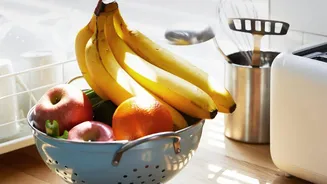
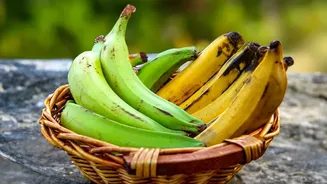
It sounds like an old wives' tale, but it's a proven kitchen hack: placing an apple next to a bunch of green bananas can significantly speed up the ripening process. This completely natural method allows you to take control of your fruit's readiness without
resorting to any artificial means. Instead of waiting patiently for days, you can have sweet, yellow bananas ready for your cereal, baking, or just as a healthy snack, often within a day or two. This simple pairing works by harnessing a natural process, turning a waiting game into a predictable and efficient kitchen strategy.
The Science Behind the Magic: Ethylene Gas
The secret ingredient in this process is a plant hormone called ethylene gas. Many fruits produce ethylene as they mature, and it acts as a signal to trigger the final stages of ripening. This process involves the breakdown of starches into sugars, which makes the fruit sweeter, and the softening of cell walls, which gives it a more pleasant texture. Apples are known to be particularly generous producers of ethylene gas. When you place an apple next to unripe bananas, you are essentially giving the bananas a concentrated dose of this ripening hormone, encouraging them to mature much faster than they would on their own. A ripe banana is also a good ethylene producer and can help ripen other fruits.
How to Do It Right: The Paper Bag Method
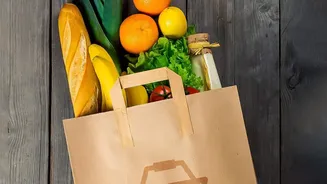
To make this trick even more effective, use a paper bag. Place your green bananas and a whole apple inside a large paper bag and fold the top loosely to close it. The bag serves a crucial purpose: it traps the ethylene gas produced by the apple, concentrating it around the bananas. The paper is breathable, which prevents moisture from building up and causing mould, something that could happen if you used a plastic bag. Keep the bag at room temperature, perhaps in a warm spot but out of direct sunlight. Check on your bananas daily; depending on how green they were, they could be perfectly yellow and ready to eat in just 24 to 48 hours.
More Than Just Apples: Other Ripening Helpers
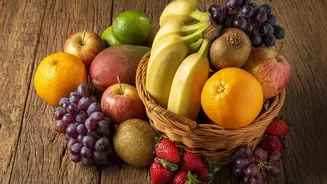
While apples are famous for this trick, they aren't the only fruit that can play the role of a ripening partner. Many other fruits are also significant ethylene producers. Pears, apricots, avocados, peaches, plums, cantaloupes, and tomatoes are all excellent sources of ethylene gas. So, if you don't have an apple on hand, a ripe pear or even a tomato from your counter can work just as well. This knowledge allows you to use whatever ethylene-producing fruit you happen to have to ripen other ethylene-sensitive fruits, making it a versatile technique for managing your entire fruit bowl.
The Flip Side: Fruits to Keep Apart
Understanding the power of ethylene gas also means knowing when to use it and when to avoid it. The same gas that ripens a banana can cause other produce to spoil prematurely. Ethylene-sensitive items should be stored away from high ethylene producers. This includes produce like leafy greens (lettuce, spinach), broccoli, cauliflower, carrots, cucumbers, and berries. Storing your apples and bananas away from these items will prevent them from wilting, turning yellow, or developing brown spots, thereby reducing food waste. A good rule of thumb is to keep your fruits and vegetables in separate drawers in the refrigerator to manage the effects of ethylene.