






The Allure of Natural and Traditional
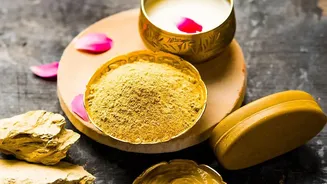
Khushbu Sundar's routine, which includes applying raw milk, saffron-infused water, or natural oils like coconut and almond, resonates deeply in India. It taps into a long tradition of using pantry staples for beauty—a practice passed down through generations.
The appeal is clear: the ingredients are accessible, affordable, and perceived as 'natural' and therefore safe. In a world of complex chemical formulas and 10-step routines, the simplicity of using what's in your kitchen feels authentic and trustworthy. This philosophy, rooted in Ayurvedic principles, views skincare as a holistic part of wellness, connecting inner health with outer radiance.
What's in the Mix: The Good
Many traditional ingredients do contain beneficial compounds. Turmeric, a staple in DIY masks, contains curcumin, which has proven anti-inflammatory and antioxidant properties. Gram flour (besan) is a gentle exfoliant that can absorb excess oil. Yogurt contains lactic acid, a mild alpha-hydroxy acid (AHA) that helps remove dead skin cells. Honey is a natural humectant, meaning it draws moisture into the skin, and has antimicrobial properties. These components are the reason why many kitchen remedies can leave skin feeling temporarily softer or looking brighter.
The Scientific Verdict: Ineffective or Unproven
The main issue with kitchen skincare is the lack of scientific proof for many claims. While an ingredient like turmeric has benefits, the concentration in a homemade paste is inconsistent and may not be potent enough to create lasting change. Similarly, the lactic acid in yogurt is not at a controlled pH or concentration, unlike professionally formulated products. Dermatologists point out that many of the perceived benefits are temporary. For example, the tightening effect of an egg white mask is simply due to dehydration, not a boost in collagen. Furthermore, natural doesn't always mean effective for serious concerns like deep-set wrinkles, cystic acne, or significant hyperpigmentation, which often require clinically-tested active ingredients.
The Hidden Risks of DIY Skincare
Perhaps the biggest myth is that kitchen ingredients are always safe. 'Natural doesn't always mean safe', is a common refrain from dermatologists. Some popular DIY additions, like lemon juice, are highly acidic and can disrupt the skin's protective barrier, cause chemical burns, and lead to photosensitivity, which worsens dark spots. Abrasive scrubs made from sugar or coffee grounds can create micro-tears in the skin, leading to inflammation and infection. Another significant risk is bacteria. Homemade concoctions lack preservatives, making them a breeding ground for harmful microbes, especially if stored. Raw milk itself can contain bacteria that may not be suitable for direct application on the face, particularly for those with sensitive or acne-prone skin.
A Dermatologist's Perspective: The Balanced View
Most skin experts don't completely dismiss traditional practices but urge caution. They universally recommend a patch test before applying any new ingredient to your face to check for irritation or allergic reactions. The consensus is that while a gentle oatmeal or honey mask might be soothing, DIY remedies should not replace a foundational skincare routine: a gentle cleanser, a suitable moisturiser, and daily broad-spectrum sunscreen. For specific skin conditions, consulting a dermatologist is always the safest and most effective route. They can help distinguish between a harmless tradition and a potentially damaging practice, offering guidance on whether to integrate certain gentle elements or stick to evidence-based products.