


Why One List Doesn't Fit All
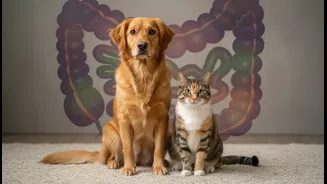
The danger in a generic toxic food list is that it can create a false sense of security or unnecessary panic. A food that causes mild gastrointestinal upset in a dog could be lethal to a cat, and vice versa. These differences are rooted in metabolism.
Cats, for instance, lack certain liver enzymes that help process various compounds, making them uniquely vulnerable to substances that other animals can handle. Dogs have their own metabolic quirks. This is why a nuanced, species-specific approach isn't just helpful—it's essential for responsible pet care. Understanding what makes your specific animal sick is the key to preventing an accidental poisoning.
Chocolate: A Well-Known Canine Risk
Chocolate is the classic example of a food famously toxic to dogs. It contains theobromine and caffeine, stimulants that dogs metabolize very slowly. This can lead to a dangerous buildup, causing symptoms ranging from vomiting and diarrhea to tremors, seizures, and heart problems. Darker chocolates like baker's chocolate and cocoa powder are the most hazardous due to their high theobromine content. While theobromine is also toxic to cats, felines are generally less likely to be tempted by sweets. However, their smaller size means a much smaller amount could theoretically cause harm, so it should be kept away from them regardless.
Xylitol: A Hidden Danger for Dogs
The artificial sweetener xylitol is a major threat, particularly for dogs. Found in sugar-free gum, peanut butter, baked goods, and even some medications, xylitol is extremely toxic to canines. In dogs, it triggers a rapid, massive release of insulin, causing a life-threatening drop in blood sugar (hypoglycemia). Ingestion can also lead to severe liver failure. For cats, the evidence is less clear. Current information suggests cats do not have the same severe reaction to xylitol, but because data is limited, caution is still advised. Given the severity of the risk for dogs, all products containing xylitol should be stored securely out of reach of any pet.
Lilies: Exceptionally Lethal for Cats
Here, the species difference is stark and critical. For cats, many common types of lilies—including Easter, Stargazer, and Tiger lilies—are lethally poisonous. Ingesting any part of the plant, from the petal to the pollen, or even drinking the water from its vase, can cause acute kidney failure within 24 to 72 hours. The exact toxin that affects cats remains unidentified, but its effect is unique and devastating to them. Dogs, on the other hand, do not develop kidney failure from eating these lilies, though they might experience some mild stomach upset.
Onions and Garlic: Risky for Both, Worse for Cats
Plants from the Allium family, which include onions, garlic, chives, and leeks, are toxic to both dogs and cats whether raw, cooked, or powdered. These plants contain compounds that cause oxidative damage to red blood cells, leading to a condition called hemolytic anemia. However, cats are significantly more susceptible to this type of poisoning than dogs. Even a small amount of onion powder, sometimes found in baby food, can be dangerous for a cat. Garlic is considered even more potent and toxic than onions for both species.
When in Doubt, Always Ask a Professional
Navigating the world of pet-safe foods can be confusing, especially with conflicting information online. The single most important rule is to never guess. If you suspect your pet has ingested something potentially harmful, or if you're simply unsure if a food is safe, do not wait for symptoms to appear. Contact your veterinarian or an animal poison control center immediately. They can provide guidance based on your pet's species, size, and the substance ingested. Having these numbers saved in your phone and posted in your home can save precious time in an emergency.