







From Grains to Garlands
For generations, the agricultural calendar in many parts of India has been dictated by the rhythms of paddy cultivation. It’s a practice steeped in tradition but facing modern challenges: irregular rainfall, rising labour costs, and diminishing profits.
Faced with these hurdles, a new generation of agricultural entrepreneurs is looking beyond the grain. From Karnataka to Punjab, farmers are discovering that the same plots of land that sustained their families on rice can generate significantly more income when repurposed for floriculture. This shift isn't just about changing a crop; it's about changing a mindset, viewing the farm not just as a source of sustenance but as a modern enterprise.
A Calculated Risk
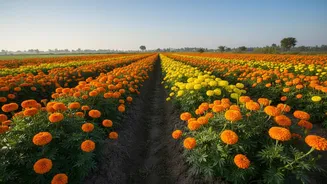
The transition from paddy to petals is not a simple one. Paddy fields are designed to hold water, a condition that would drown most flower varieties. The initial steps involve significant land preparation to improve drainage and soil structure. Farmers must choose their flowers wisely, often starting with hardy and high-demand varieties like marigolds. Marigolds are a popular choice for beginners because they are relatively easy to grow, have a short crop cycle of just a few months, and are in constant demand for religious festivals, weddings, and daily worship. This makes them a less risky entry point into the floriculture market, allowing farmers to learn the business before diversifying into more delicate or niche blooms like roses, chrysanthemums, or lotuses.
The Business of Blooms
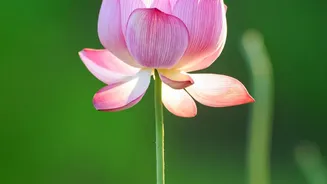
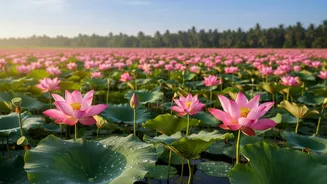
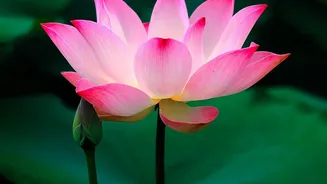
The financial rewards for making the switch can be transformative. Farmers report earning three to five times more from flowers than they did from rice. A farmer in Madhya Pradesh, for instance, turned an annual turnover of around Rs 5 lakh from marigold cultivation after an accident made paddy farming difficult. In Karnataka, another farmer converted his family's chronically unprofitable rice fields into a lotus farm, now earning up to Rs 1 lakh a month by supplying local temples. Success often comes from a shrewd understanding of the market. These entrepreneurs plan their sowing cycles to align with major festivals like Diwali, Dussehra, and Onam, when demand for flowers skyrockets, ensuring they get the best prices for their harvest.
More Than Just a Farm
The most innovative flower farms are becoming more than just agricultural plots; they are turning into destinations. Recognising the visual appeal of their fields, some farmers have embraced agri-tourism. They create pathways for visitors, set up photo booths, and sometimes charge a small entry fee, adding a new and stable revenue stream to their business. In Kerala, a 40-acre sunflower field has become a major tourist attraction, complete with a children's park and shaded rest areas. This model not only diversifies income but also builds a direct connection between the producer and the public, fostering a greater appreciation for agriculture. The farm becomes a place of beauty and recreation, drawing in families and photographers who are happy to pay for the experience.
A Blooming Inspiration
The success of these pioneers is creating a ripple effect. As neighbours see the vibrant fields and improved livelihoods, they too are inspired to experiment with floriculture. In many cases, the pioneers become mentors, sharing seeds, knowledge, and market connections with others in their community. Government horticulture departments and agricultural universities are also playing a crucial role by providing technical guidance, subsidies for equipment like polyhouses, and access to improved flower varieties. This collective effort is helping to build a more resilient and profitable rural economy, one flower at a time. It proves that innovation isn't just for tech startups; it can blossom in the most traditional of settings, transforming challenges into opportunities.