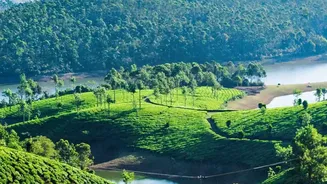








A Vision for Smarter, Greener Travel
For years, Kerala has been a global benchmark for responsible tourism, focusing on community empowerment and preserving its natural treasures. Now, it's taking that philosophy into the digital age. The state's tourism strategy is increasingly focused
on using technology to create a seamless experience for visitors while reinforcing its commitment to sustainability. This isn't about replacing lush backwaters with screens, but about using smart solutions to manage resources, reduce environmental impact, and connect travellers more deeply with local culture. The goal is to build a resilient tourism ecosystem that benefits everyone—from the international visitor to the local artisan.
The Digital Toolkit for Modern Tourists
So, how does this look in practice? Kerala Tourism has rolled out a suite of digital tools designed to make travel easier and more informative. The official WhatsApp chatbot, 'Maya', provides 24/7 assistance, offering instant updates and information. The state is also replacing traditional information centres with multilingual, AI-powered kiosks at airports and railway stations. These kiosks will offer everything from information on attractions and tour packages to real-time bookings for hotels and transport. Furthermore, a dedicated mobile app acts as a real-time audio guide and allows travellers to discover lesser-known destinations, complete with user-generated stories and content.
AI and Data Driving Sustainability
The most forward-thinking aspect of Kerala's strategy is its use of Artificial Intelligence (AI) and data analytics. The state is developing a platform that uses AI to provide real-time, personalised itinerary recommendations based on a traveller's preferences and even environmental conditions. This has a powerful sustainable benefit: by analysing tourist flows, the system can help manage overcrowding in popular and ecologically sensitive areas, suggesting alternative routes and attractions. This data-driven approach allows for better resource allocation, helps predict demand, and ensures that tourism growth doesn't come at the cost of the environment. This move towards 'smart tourism' aims to make the entire ecosystem more efficient and guest-centric.
Empowering Communities Through Technology
This digital transformation is deeply connected to Kerala's long-standing Responsible Tourism (RT) Mission, which has always prioritised local communities. The new digital tools are designed to amplify this mission. For example, the tourism app and websites highlight village life experiences, connecting travellers directly with local homestays, artisans, and cultural performers. By promoting these community-based enterprises, the technology helps ensure that tourism revenue flows directly into the local economy, supporting traditional livelihoods. The RT Mission, which has successfully established women-led enterprises and local procurement networks, sees technology as a way to scale these successes and give small operators global visibility.