





The Sweet Claim: Where Did This Idea Come From?
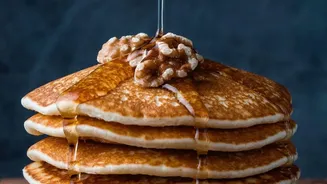
The buzz around maple syrup and heart health isn't entirely baseless, but it is deeply misinterpreted. Pure maple syrup contains beneficial compounds not found in refined white sugar. It's a source of minerals like manganese and zinc, and it's packed
with antioxidants—plant-based compounds that can help fight cellular damage. Some of these antioxidants are polyphenols, and one unique to maple syrup is called Quebecol. Preliminary research, mostly in labs and on animals, has suggested that some of these compounds might have anti-inflammatory effects or could potentially influence cholesterol. For instance, some animal studies noted that maple syrup or its extracts helped lower LDL (bad) cholesterol in mice. These small, early findings are where the hopeful headlines originate, leading people to wonder if this natural sweetener could be a secret weapon for heart health.
The Reality: A Sweetener Is Not a Statin
Here’s the crucial distinction: a spoonful of maple syrup is not medicine. While it may be a slightly better choice than table sugar because it contains some nutrients, it is still, overwhelmingly, a source of sugar. A single tablespoon contains about 12 grams of sugar and over 50 calories. A diet high in added sugars is a well-known risk factor for poor cardiovascular outcomes, including high triglycerides, obesity, and other issues that strain the heart. Relying on a sugar-based product to manage a serious condition like high cholesterol is not only ineffective but potentially dangerous. The promising lab studies on compounds like Quebecol are a world away from proving a benefit in humans. You would have to consume a harmful amount of syrup to get a meaningful dose of these antioxidants, canceling out any potential good. No major health organization recommends maple syrup as a treatment for high cholesterol.
The Gold Standard: What Actually Lowers Cholesterol
When it comes to managing high cholesterol, we have decades of robust scientific evidence pointing to what works. Treatment is a combination of lifestyle changes and, when necessary, proven medications. Statins are the most common and effective class of drugs for lowering LDL cholesterol. They work by reducing the liver's production of cholesterol and helping it clear more cholesterol from the blood. For patients who cannot take statins or need additional help, other medications like Ezetimibe, which blocks cholesterol absorption in the intestine, are also available. Alongside medication, lifestyle adjustments are fundamental. This includes a diet rich in fibre, fruits, vegetables, and healthy fats, along with limiting saturated and trans fats. Regular physical activity and maintaining a healthy weight are also critical components of any effective cholesterol management plan. These methods are tried, true, and backed by extensive human trials—a level of proof that natural remedies rarely have.
Finding the Right Balance for Your Health
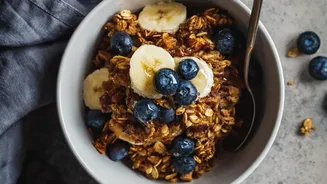
This doesn't mean you have to banish maple syrup from your pantry. It can absolutely be part of a healthy diet when used correctly—as a sweetener, in moderation. Choosing pure maple syrup over highly processed pancake syrups or refined sugar for your oatmeal or yogurt can give you a small mineral boost and a more complex flavor. The danger lies in viewing it as a therapeutic agent. Natural does not always mean effective or safe, especially for a condition that is a major risk factor for heart attack and stroke. It is never safe to stop or replace a prescribed medication with a dietary supplement or food without consulting your doctor. While some supplements like plant sterols have shown a modest ability to help lower cholesterol, they are intended to complement, not replace, proven treatments.