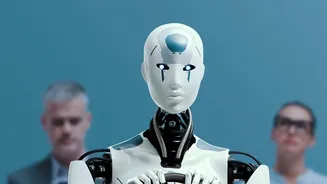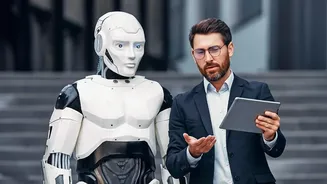



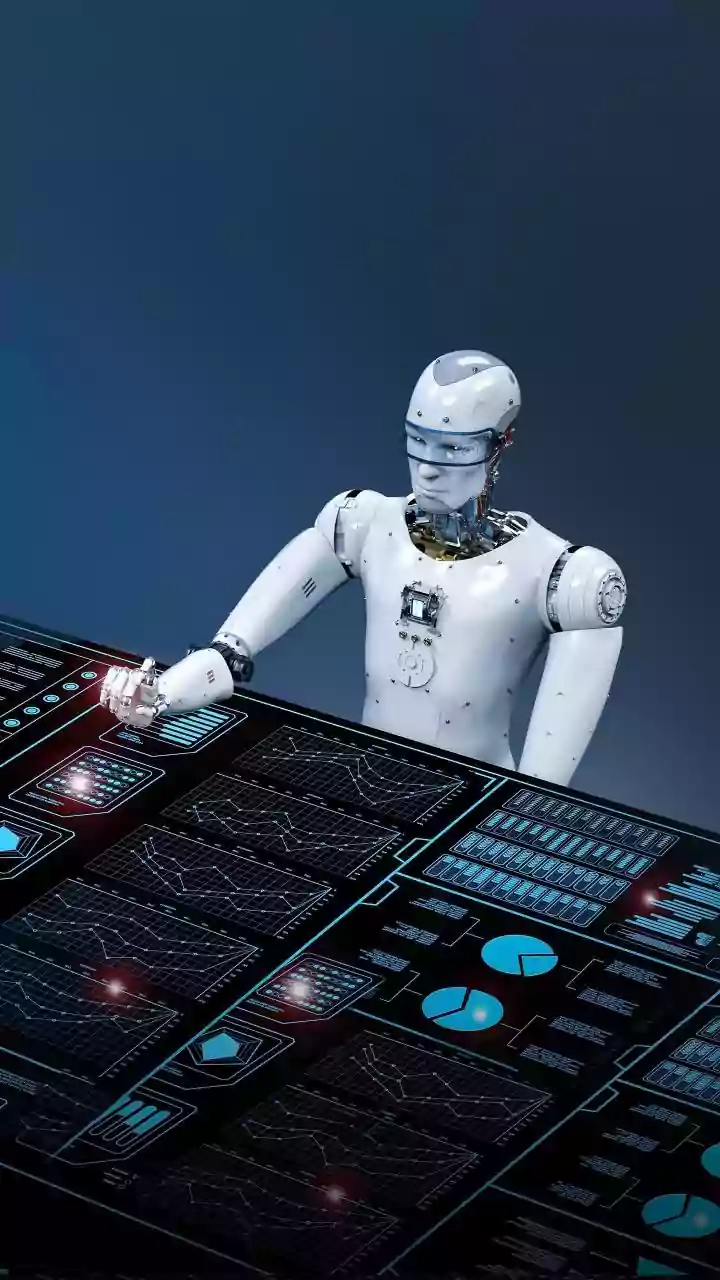




The debate over AI in the workplace often spirals into a fear of replacement. But this is a limited view. The real, more strategic conversation is about collaboration, and how AI can become a powerful partner for your most experienced staff.
Beyond Replacement: AI as an Augmentation Tool
For years,
the narrative surrounding artificial intelligence has been a simple one of automation and replacement. The prevailing fear is that machines will methodically take over human tasks, leading to widespread job displacement. While AI is indeed automating repetitive work, the more strategic and impactful trend is augmentation. Instead of replacing human workers, AI is increasingly serving as an amplifier, handling routine processes so people can focus on higher-value work. For experienced professionals, this is not a threat but an opportunity. When AI automates tedious data analysis or administrative tasks, it frees up seasoned employees to apply their deep knowledge to strategy, complex problem-solving, and innovation. The conversation is shifting from 'human versus machine' to 'human plus machine'.
The Hidden Risks of AI in Recruitment
Many companies are adopting AI in hiring with the primary goal of efficiency, using algorithms to screen thousands of resumes in minutes. However, this approach is fraught with risk, especially when it comes to senior roles. AI tools often rely on keywords and predefined parameters, which can inadvertently filter out highly qualified, experienced candidates who have non-linear career paths or use different terminology on their resumes. Furthermore, these systems are trained on historical data, which can perpetuate existing biases related to gender, background, or even university education, narrowing the talent pool rather than diversifying it. Over-relying on AI for screening senior roles can lead to costly 'false negatives', where valuable candidates are overlooked because they don't fit a rigid, automated mould. The final decision must remain human.
Experience: AI's Most Valuable Partner
An AI can process data, but it cannot replicate wisdom. Experienced staff possess something algorithms lack: tacit knowledge, contextual understanding, and intuition built over years of navigating complex, real-world scenarios. This human judgment is critical for guiding and interpreting AI. It takes a seasoned professional to know when an AI's output feels 'off', question its assumptions, and handle the inevitable exceptions that fall outside the model's programming. Moreover, experienced employees are vital for mentoring junior colleagues on how to use these new tools effectively. In this sense, experienced staff are not just users of AI; they are the essential human layer of governance and quality control that makes AI effective and trustworthy. True impact comes from pairing AI with human experience, judgment, and empathy.
Redefining 'Experience' in the Age of AI
As AI becomes more integrated into the workplace, the definition of valuable 'experience' is evolving. It's no longer just about the number of years in a role or mastery of a specific set of now-automatable tasks. The new premium is on adaptability, critical thinking, and the ability to collaborate effectively with AI systems. Professionals who can frame the right questions for an AI to analyse, critically evaluate the answers, and translate those insights into business strategy will be the most in demand. Research shows that skills like strategic decision making and data literacy are seeing significant growth in leadership roles. For experienced workers, the challenge and opportunity lie in upskilling not just in technology, but in the uniquely human skills that guide it.
A New Mandate for Hiring Managers
This evolving landscape requires a fundamental shift in how companies hire and manage talent. The focus for entry level roles may be changing, but the stability and knowledge of experienced workers remain crucial. Instead of viewing experienced candidates through a lens of outdated skills, hiring managers should see them as potential AI collaborators and leaders. The key is to assess for adaptability and a willingness to learn. The most forward thinking organisations will not use AI to create a younger, cheaper workforce. Instead, they will invest in training their seasoned professionals to leverage AI, creating a powerful combination of machine efficiency and human expertise. This approach not only retains invaluable institutional knowledge but also builds a more resilient and capable workforce ready for the future. A growth strategy focused on augmenting workers is also a workforce strategy.