




The Legend of the 12-Year Flower
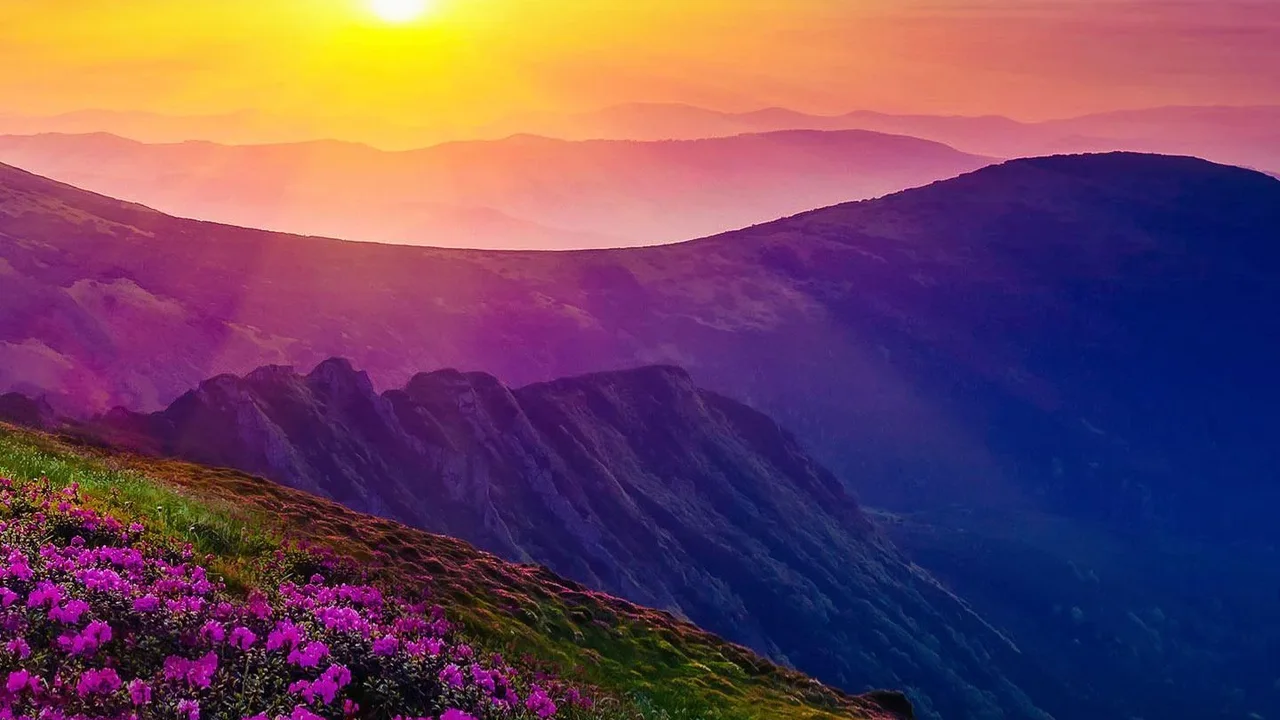
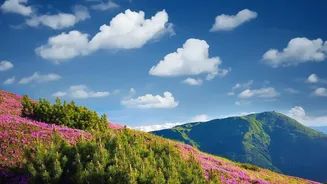
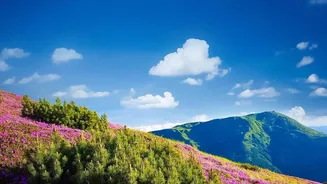
Neelakurinji, or Strobilanthes kunthiana, is a shrub endemic to the high-altitude shola grasslands of the Western Ghats. Its fame comes from an unusual and dramatic life cycle known as gregarious flowering. The plant grows for 12 years, blooms just once
in a massive, synchronized event that carpets entire hillsides in colour, sets seed, and then dies. This rare cycle is so predictable that the Paliyan tribal community in Tamil Nadu has traditionally used it to calculate their age. The name Nilgiris, or 'Blue Mountains', is widely believed to be named after the stunning hue of these flowers that paint the landscape during a bloom. This periodic flowering also gives rise to a rare and sought-after honey known as Kurinjithen.
The 2026 Bloom: An Early Arrival?
Many nature enthusiasts have the year 2030 marked on their calendars for the next great Neelakurinji bloom, following the last major event in Eravikulam National Park in 2018. So, reports of a significant bloom in 2026 have caused some confusion. Is the flower arriving four years ahead of schedule? The evidence shows this is not an early bloom, but rather a different population of the same species operating on its own clock. The Western Ghats host several populations of Neelakurinji, and they don't all follow the same 12-year cycle. It is a case of two separate, perfectly timed natural events.
What the Evidence Shows for 2026
The bloom currently underway in September 2026 is concentrated in specific areas around Munnar, particularly the Chokramudi, Korandikkad, and Mattupetty hills. Official records and local forest departments confirm that this particular population last flowered in 2014, making 2026 its expected 12-year return. The flowering season began in August and was formally inaugurated by forest officials on August 24 in the Chokramudi area, which has since opened to visitors. As September progresses, the bloom is expected to spread to higher elevations, potentially including Meesapulimala. So, the 2026 event is a confirmed, scientifically consistent bloom for this specific locality, not a premature version of the more widespread 2030 flowering.
What Remains Uncertain
While the 2026 bloom is a confirmed event, its ultimate scale and intensity are subject to natural variables. Factors like local weather conditions can influence the progression of the bloom. More broadly, the fragile shola-grassland ecosystem where Neelakurinji thrives faces long-term threats from habitat loss, invasive species, and tourism pressure. The species was recently classified as 'Vulnerable' on the IUCN Red List, highlighting these conservation concerns. For tourists, this means visiting responsibly is crucial. Authorities have already had to book individuals for plucking the rare flowers and have set up restrictions in some areas to protect both the endangered plant and visitors from wildlife.
Two Clocks Ticking Towards a Blue Spectacle
Ultimately, the evidence clarifies that Munnar is home to at least two distinct Neelakurinji cycles. The 2026 bloom is happening right on schedule for the populations in the Chokramudi and Mattupetty areas. Meanwhile, the countdown continues for the famed mass bloom inside Eravikulam National Park, which remains on track for 2030. This year offers a fantastic opportunity for travellers to witness the phenomenon, provided they follow guidelines to protect the fragile ecosystem. Visitors should stick to designated trails and avoid touching or plucking the flowers to ensure this natural wonder continues for generations to come.