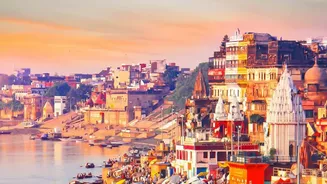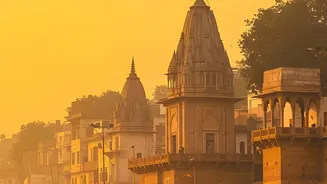






Why the Ghats Are Central to Chhath
Chhath Puja is one of India's most ancient festivals, dedicated to Surya, the Sun God, and his sister, Chhathi Maiya. Unlike many Hindu festivals, it involves no idol worship. Instead, its most vital rituals take place at the water's edge. Devotees, known
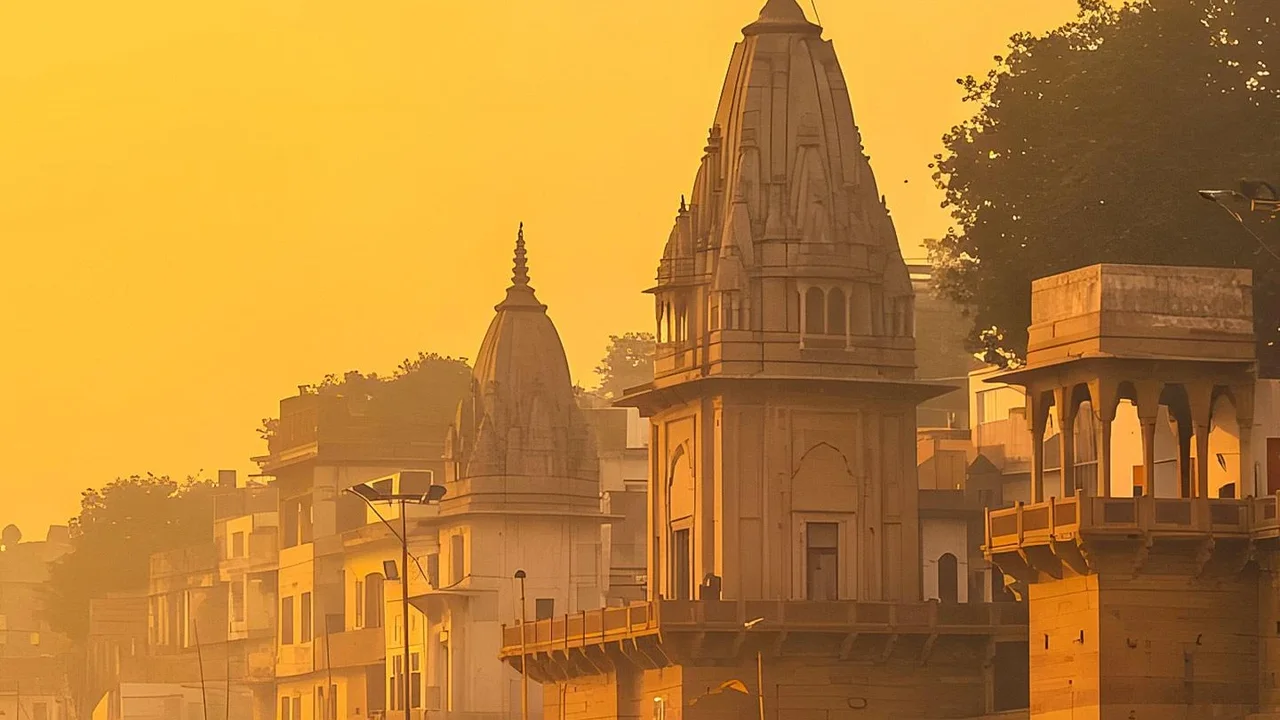
as 'vratis', offer prayers directly to the setting and rising sun while standing in a river or pond. This act, called 'Arghya', is a gesture of gratitude for the life-sustaining energy of the sun and nature. The riverbank, or ghat, becomes a sacred, open-air space where the community gathers to honour these fundamental elements of life. The festival is considered highly eco-friendly, as offerings primarily consist of natural products like fruits and homemade sweets arranged in bamboo baskets.
The Ebb and Flow of Devotee Crowds
The ghats are busiest on two specific occasions: the evening of 'Sandhya Arghya' and the pre-dawn hours of 'Usha Arghya'. For 2026, the main evening offering falls on Sunday, November 15, and the morning offering is on Monday, November 16. On Sunday afternoon, families begin walking to the ghats in processions, often singing traditional Chhath folk songs. The crowd swells until sunset, as vratis enter the water to make their offerings. Many families stay at the ghats for hours, where the atmosphere is devotional and communal. Before dawn on Monday, the crowds return to welcome the rising sun, repeating the ritual. The gathering thins out after the morning Arghya, when vratis break their arduous 36-hour fast. Arriving at least 45 minutes to an hour early for these peak times is crucial to find a comfortable spot.
Major City Ghats vs. Local Ponds
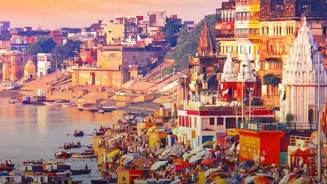
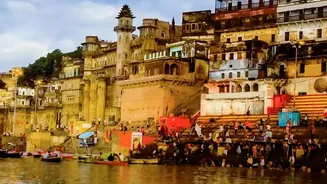
The experience can differ greatly depending on your location. In cities like Patna, the heartland of Chhath, dozens of ghats along the Ganga, such as Gandhi Ghat and Digha Ghat, are elaborately prepared by local authorities and see massive, energetic crowds. In Delhi, thousands gather at designated sites like the Yamuna Ghat, including many purpose-built artificial ghats created to manage the numbers. These large, organised ghats often feature impressive lighting, security, and sometimes cultural performances, making them a grand spectacle. In contrast, smaller towns and villages rely on local community ponds and riverbanks. These gatherings are more intimate, offering a quieter but equally profound experience. Regardless of size, the core rituals and spirit of devotion remain the same.
The Riverside Cultural Scene
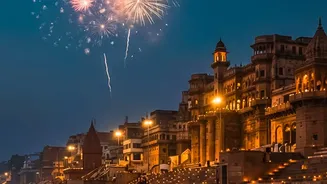
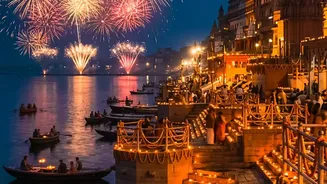
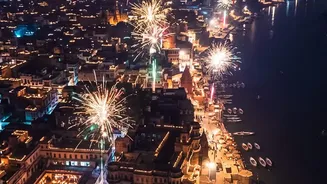
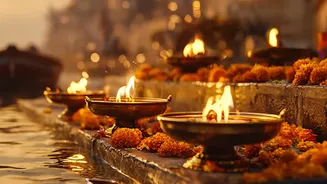
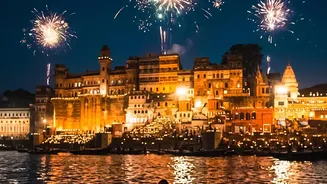
Visiting a ghat during Chhath is an immersive cultural experience. The air is filled with the sound of traditional folk songs passed down through generations, their lyrics speaking of faith, family, and gratitude to nature. You will see a vibrant canvas of colour, from the bright sarees of the women to the elaborate bamboo baskets ('soops') filled with offerings like thekua (a traditional sweet), coconuts, and seasonal fruits. As dusk falls during Sandhya Arghya, the riverbanks glow with thousands of earthen lamps ('diyas'), creating a mesmerizing sight. The scene is not one of chaos but of collective devotion. It is a powerful display of community, where families support the vratis, share prasad, and participate in rituals together.
A Guide for Respectful Observation
If you are visiting a ghat to observe or photograph the festival, a few points of etiquette are essential. Maintain a respectful distance from the vratis, as this is a deeply personal vow performed in public. Avoid using flash photography, and always ask for permission before taking close-up pictures of any individual or family. The steps leading down to the water can be wet and slippery, so watch your footing. Do not enter the water, as this space is reserved for those performing the rituals. Authorities in major cities often restrict vehicle traffic near popular ghats, so plan to walk the final stretch. Finally, if offered 'prasad' (blessed food) after the morning Arghya, it is a gesture of goodwill and should be accepted graciously.