



A Daring Rescue in Orbit
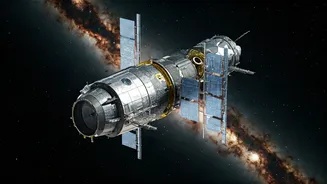
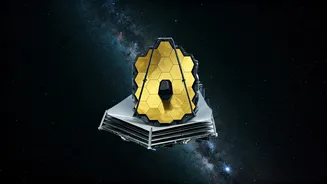
Launched in November 2004, the Swift observatory was designed for a two-year mission to chase the most powerful explosions in the universe: gamma-ray bursts (GRBs). Now, nearly 22 years later, it’s not a technical failure but Earth's own atmosphere that
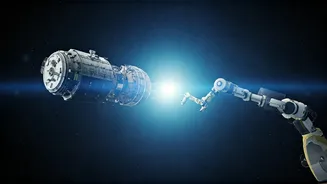
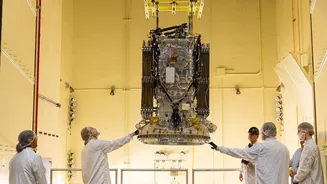
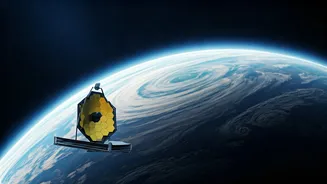
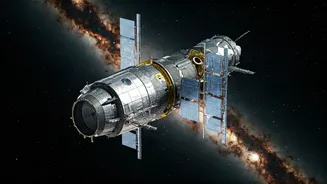
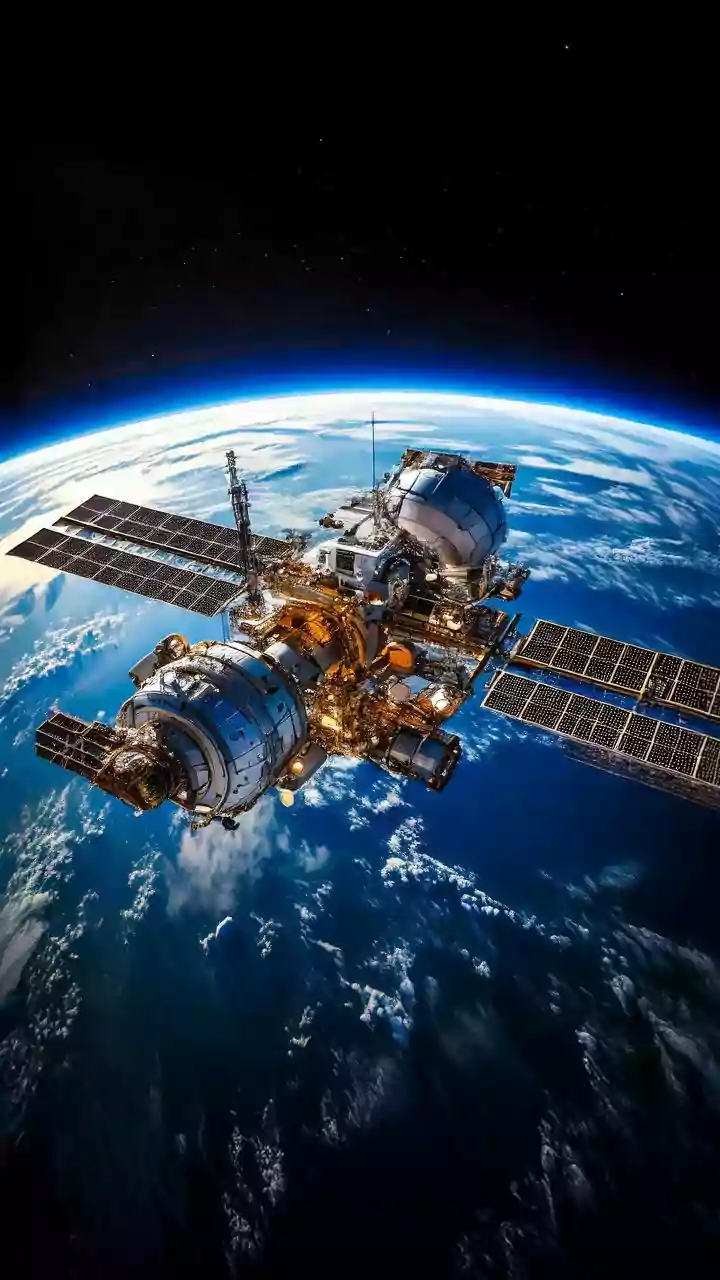
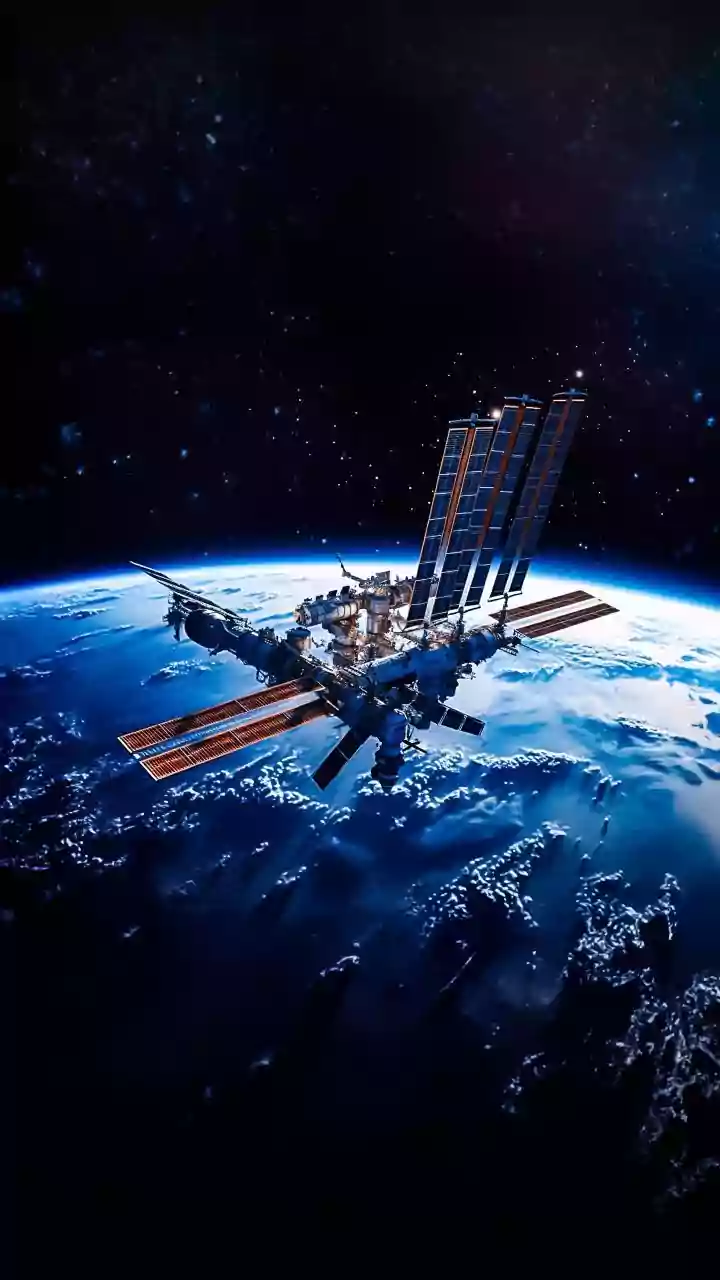
threatens its mission. Increased solar activity has caused the upper atmosphere to expand, creating extra drag on the satellite and causing its orbit to decay faster than anticipated. Without intervention, Swift could fall back to Earth and burn up by late 2026. In an unprecedented move, NASA has partnered with the commercial startup Katalyst Space for a first-of-its-kind rescue mission launching around July 1, 2026. A robotic servicing craft called LINK will be sent to grab Swift and gently boost it back to a higher, more stable orbit, potentially adding another decade to its scientific life.
The Universe’s Most Violent Events
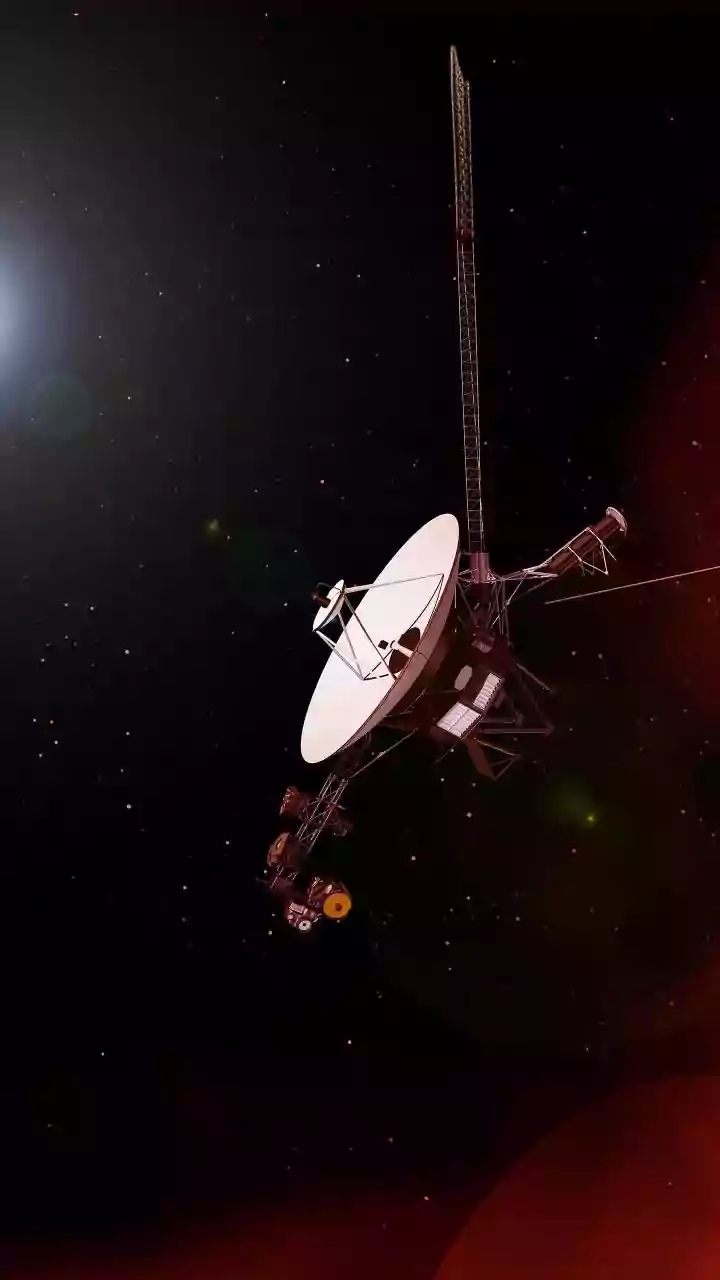
Swift’s primary purpose is to act as a rapid-response detective for GRBs. These are fleeting, high-energy blasts that can outshine entire galaxies for a few seconds, marking catastrophic events like the collapse of massive stars into black holes or the merger of two neutron stars. The observatory was named not as an acronym, but for its nimble ability to rapidly slew and point its telescopes toward a newly detected burst, often within seconds. This speed is crucial. Swift has three telescopes that work in concert: the Burst Alert Telescope (BAT) first detects the gamma rays, then the spacecraft quickly repositions to allow the X-ray Telescope (XRT) and the Ultraviolet/Optical Telescope (UVOT) to study the fading afterglow in finer detail. This multi-wavelength data is then beamed to scientists on the ground, allowing observatories worldwide to join the investigation.
Two Decades of Landmark Discoveries
In its long career, Swift has revolutionised our understanding of the high-energy universe. It has detected thousands of gamma-ray bursts, including some of the most distant cosmic explosions ever recorded, giving astronomers a peek into the early universe. One burst, GRB 090429B, was determined to be from an explosion that happened over 13 billion years ago. But Swift's capabilities have made it much more than just a GRB hunter. It has become a versatile, general-purpose observatory. It has studied everything from supernovae and flaring stars to comets in our own solar system. Crucially, it played a key role in the dawn of multi-messenger astronomy by observing the first electromagnetic counterpart to a gravitational wave event, a collision of two neutron stars detected in 2017.
An Unexpected Mission Extension
The plan to extend Swift’s life isn't a standard review but a necessity driven by orbital mechanics. The rescue mission itself is a bold demonstration of new on-orbit servicing capabilities. Instead of letting a valuable, $500 million asset burn up, NASA is investing in a more affordable solution that also pushes the boundaries of space technology. The LINK spacecraft will use robotic arms to grapple Swift—a satellite that was never designed to be serviced or docked with—and use gentle thrusters to raise its orbit over several months from its current 360 km to its original 600 km altitude. To prepare, mission controllers placed Swift into a low-drag orientation in February 2026, temporarily pausing its science operations to slow the decay and buy time for the rescue to be launched.