





The Heartbeat of the Backwaters
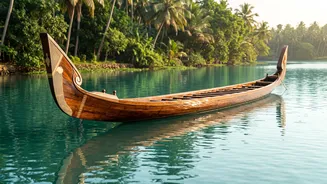
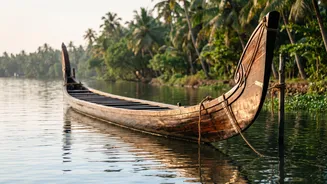
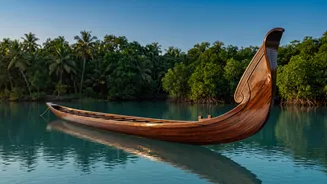
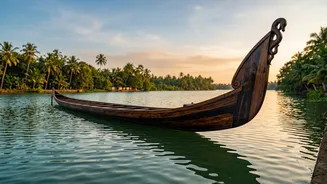
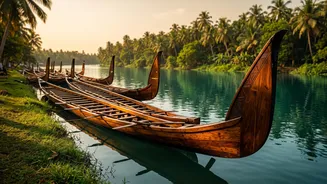
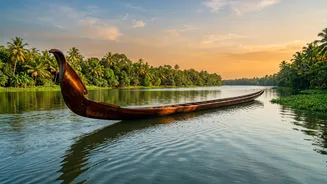
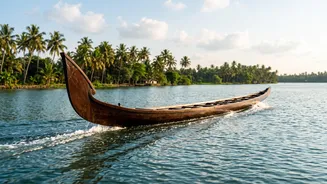
Imagine more than a hundred men, seated two abreast on a canoe stretching over 100 feet long, paddling in perfect, furious synchrony. The water churns as their oars, striking up to 120 times a minute, propel the vessel forward like an arrow. Onboard,
a handful of men stand, fiercely beating drums and singing ancient boat songs, or ‘Vanchipattu’, to set the pace. The roar from thousands of spectators lining the banks of the lake builds into a crescendo as the massive snake boats, or ‘Chundan Vallams’, surge towards the finish line. This is more than a sport; it is a sensory overload, a powerful display of teamwork and a tradition that courses through the veins of Kerala. For travellers, it’s a spectacle unlike any other, offering a front-row seat to the region's vibrant soul.
A Tradition Rooted in History
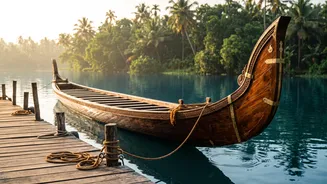
The boat races are deeply intertwined with the festival of Onam, Kerala's most important harvest festival, which in 2026 culminates with the main day of Thiruvonam on August 26. The festival itself celebrates the mythical King Mahabali's annual return to visit his subjects. Historically, the snake boats were used as war canoes by the feudal lords of the region. Over centuries, these wartime vessels evolved into the stars of celebratory regattas. For the villages that own and crew these boats, it is a matter of immense pride and identity. The boats are revered, carefully maintained with special oils, and their preparation for the racing season involves the entire community, strengthening bonds and preserving a legacy passed down through generations.
The Grand Prix of Punnamada Lake
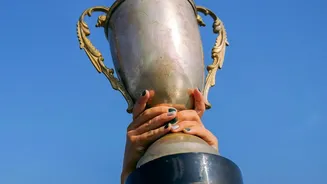
Among the dozens of races held across the state, the Nehru Trophy Boat Race is the undisputed king. Held on Punnamada Lake in Alappuzha, it is Kerala's most famous and competitive water carnival. Its history dates back to 1952, when India's first Prime Minister, Jawaharlal Nehru, was so captivated by an impromptu race that he jumped into the winning boat. He later donated a silver trophy, and the annual event was born. The 72nd edition took place just yesterday, on August 22, 2026, with Aroma Chundan, rowed by the Aroma Boat Club, winning the coveted trophy in its debut season in a thrilling photo finish. This premier event attracts the best teams and the largest crowds, making it a must-see for any visitor.
From Ritual to Regatta
While the Nehru Trophy is about sheer speed and competition, other races are steeped in spiritual significance. The Aranmula Uthram Valla Kali, scheduled for August 30, 2026, is a prime example. This event on the sacred Pamba River is less a race and more a majestic water procession to commemorate the installation of the idol at the local Sree Parthasarathy Temple. The boats here, called Palliyodams, are considered sacred vessels. They glide in pairs to the rhythm of devotional songs, a breathtaking spectacle of faith and tradition. This contrast between the high-octane commercial races and the deeply spiritual ones showcases the diverse cultural tapestry of Kerala's waterways.
An Experience Beyond the Finish Line
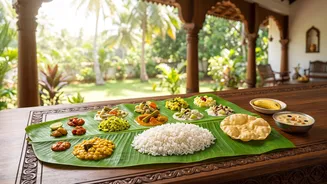
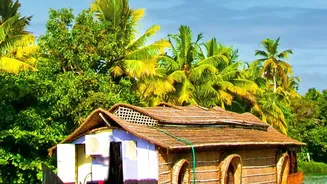
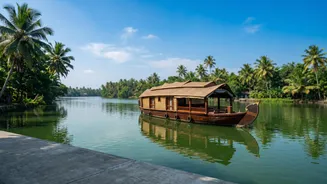
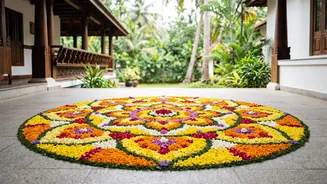
To visit Kerala during the Onam boat race season is to immerse oneself in a celebration that engages all the senses. The excitement on the water is just one part of a larger festival. The air is thick with the scent of jasmine and the intricate floral carpets known as 'pookalam' adorn every doorstep. The entire state is in a festive mood, culminating in the grand Onam Sadya, a lavish vegetarian feast served on a banana leaf with up to 26 different dishes. Travellers can watch the races from the crowded riverbanks, hire a spot on a houseboat for a better view, and partake in the joyous atmosphere that defines Kerala's biggest festival. It is a unique opportunity to see a living, breathing tradition that continues to unite communities and enchant visitors from across the globe.