


The Universal Canvas
At its heart, Uppittu is a marvel of simplicity. The fundamental process involves dry roasting coarse semolina (rava or suji) until it's fragrant and then cooking it in hot water. This basic method creates a fluffy, porridge-like dish that serves as a blank
canvas. The initial steps are almost universal: heat oil or ghee, splutter mustard seeds, and perhaps add some lentils like urad dal or chana dal for crunch. Onions, ginger, and green chillies are common additions that build the first layer of flavour. It is from this shared foundation that the dish begins its fascinating journey, transforming into distinct regional avatars based on what comes next.
Karnataka’s Spicy Khara Bath
In Karnataka, Uppittu often takes on a more robust and spicy form known as Khara Bath. The name itself, where 'khara' means spicy, sets the expectation. What truly sets it apart is the addition of a special masala powder, often a vangi bath or bisi bele bath powder, which infuses the dish with a complex, aromatic warmth. This version is typically loaded with vegetables like carrots, beans, peas, and even capsicum. The tempering is often generous, featuring mustard seeds, lentils, and curry leaves, creating a dish that is a complete meal in itself and is famously paired with a sweet Kesari Bath in what is known as a 'Chow Chow Bath'.
Tamil Nadu and The Art of Texture
The classic Tamil Nadu style of Upma prioritises texture and subtlety. The goal is often a perfectly soft, non-lumpy consistency, where every grain is cooked through yet distinct. The tempering is traditional, with mustard seeds, urad dal, chana dal, curry leaves, and sometimes cashews fried to a golden brown. While vegetables can be added, the simpler versions with just onions are extremely popular, allowing the nutty flavour of the roasted rava and the fragrant tempering to shine. It is a masterclass in achieving perfection with minimal ingredients, often served with a side of coconut chutney or a sprinkle of sugar for contrast.
Kerala's Coconut-Infused Comfort
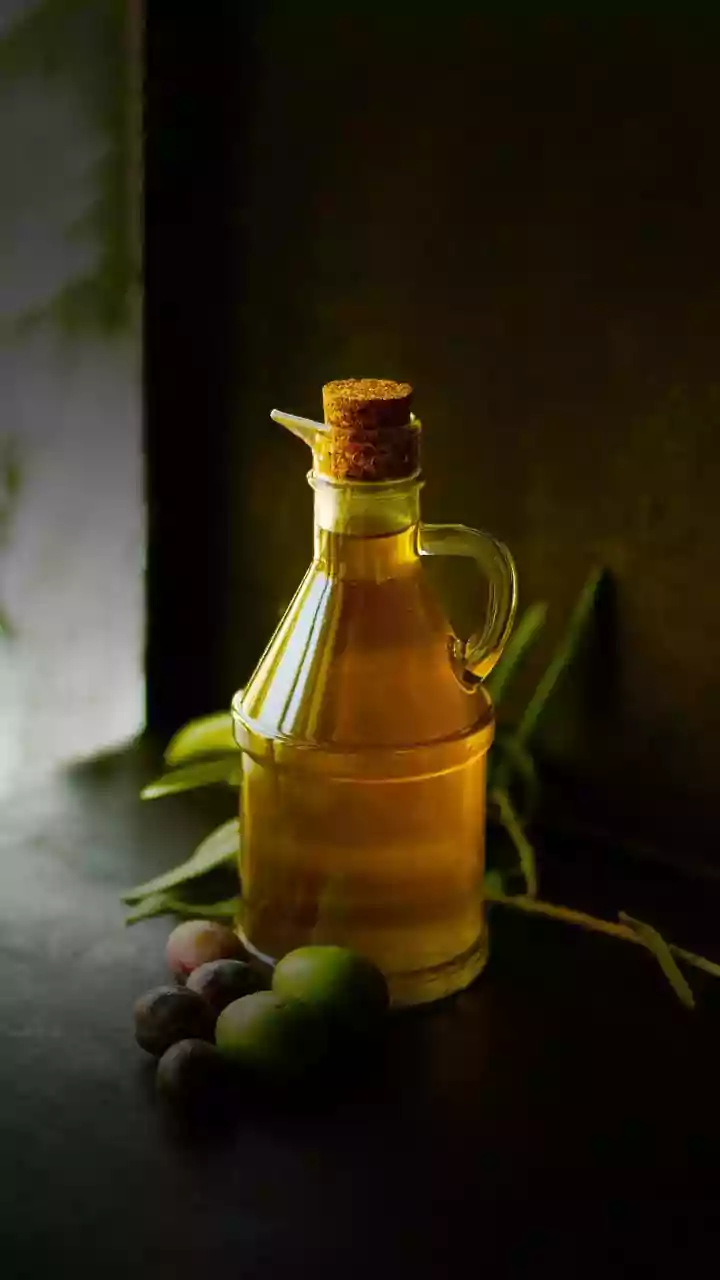
True to its geography, the Kerala version of Uppumavu is often defined by the generous use of coconut. The tempering is frequently done in coconut oil, which imparts a distinct and fragrant aroma that is unmistakably Keralan. Beyond the oil, fresh grated coconut is often added towards the end of the cooking process, lending a subtle sweetness and a richer texture to the dish. While the base of onion, ginger, and green chillies remains, the use of coconut oil and fresh coconut elevates it into a uniquely coastal preparation that is both comforting and light.
Andhra, Telangana, and the Perfect Partner
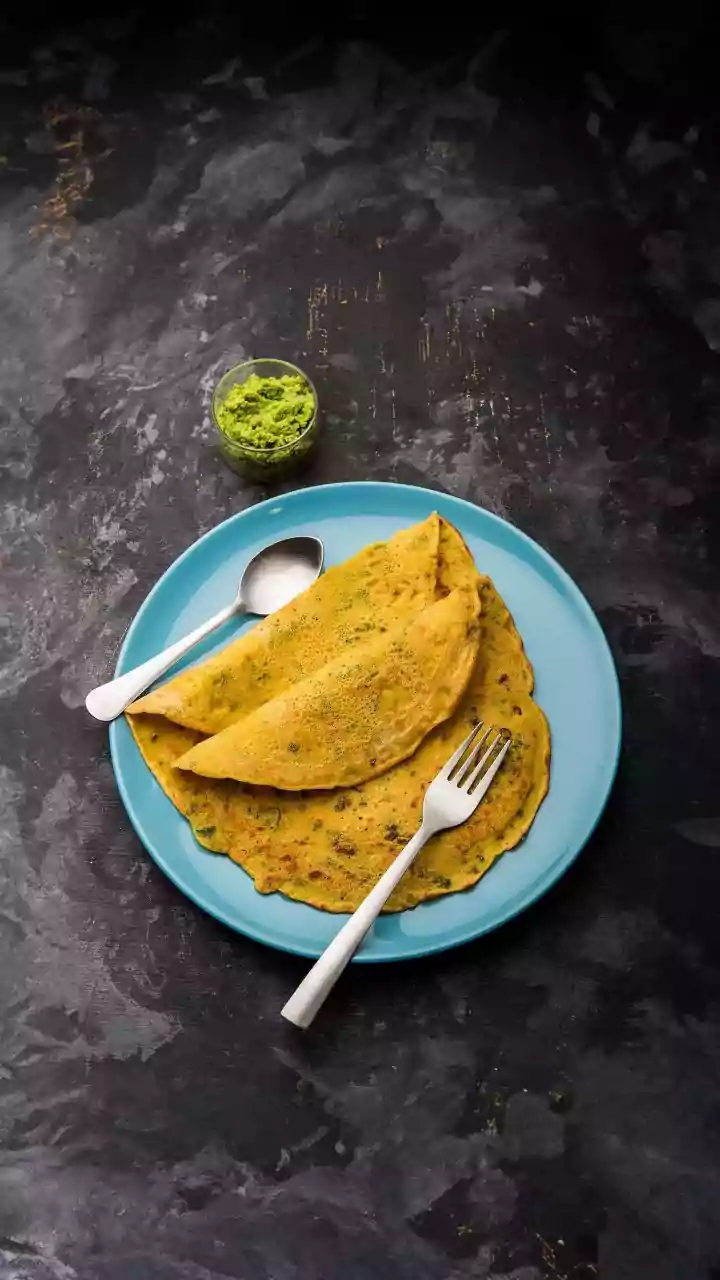
In Andhra Pradesh and Telangana, Upma, often called Uppindi, holds its own but is also famously known as the perfect accompaniment to Pesarattu, a green gram dosa. The tempering here can be fiercely flavourful, with a generous use of green chillies and ginger. While some versions are kept simple to complement the dosa, others are rich in their own right. A common variation involves using broken wheat (Godhuma Rava) for a healthier, more textured dish. The focus is on a savoury, slightly spicy profile that can stand up to the earthy flavour of the Pesarattu.
Maharashtra’s Sweet and Savoury Sanja
Crossing into Maharashtra, we find a close cousin to Upma called Sanja or Tikhat Shira. While the preparation is very similar, involving roasted rava and a tempering of mustard seeds, cumin, and curry leaves, a key difference often lies in the flavour balance. Many Maharashtrian recipes for Sanja include a pinch of sugar, creating a delightful sweet and savoury (tikhat-god) taste profile. Some variations also incorporate buttermilk or curd into the cooking liquid, adding a subtle tanginess that sets it apart from its southern counterparts.