



The Race Against the Clock
The single most critical factor in takeaway food safety is time. Bacteria that cause foodborne illnesses thrive in what is known as the "Danger Zone" — a temperature range between 40°F (5°C) and 140°F (60°C). Within this range, the number of harmful bacteria
can double in as little as 20 minutes. When you pick up hot food, the clock starts ticking. The goal is to get it home and either eat it while it's still hot or refrigerate it promptly. Food safety guidelines recommend that perishable food should not be left at room temperature for more than two hours. If the ambient temperature is high, such as on a hot Indian afternoon, this window shrinks to just one hour. A short journey is not just about convenience; it's a primary defence against letting your meal become a breeding ground for bacteria.
Decoding the Packaging
The container holding your food is more than just a box; it's a protective barrier. According to the Food Safety and Standards Authority of India (FSSAI), all materials in direct contact with food must be 'food-grade'. This means they are tested and proven not to leach harmful chemicals into your meal. Be wary of restaurants using flimsy, unbranded plastic bags or containers, especially for hot and oily foods. Harmful chemicals like phthalates and bisphenols (BPA) can migrate from low-quality plastic into food, particularly when heated. These substances are known as endocrine disruptors and have been linked to health issues. FSSAI regulations also explicitly ban the use of newspapers for wrapping food, as the ink contains heavy metals that can contaminate it. A reputable establishment will use sturdy, food-grade containers that are appropriate for the item—leak-proof tubs for curries, and vented boxes for fried items to prevent them from getting soggy.
The Restaurant’s Responsibility
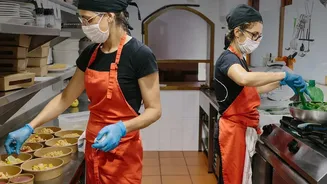
Food safety starts at the source. A responsible restaurant ensures that hot food is packed hot (above 60°C) and cold food is packed cold (below 5°C). They should use FSSAI-compliant packaging that is suitable for the specific food item, preventing leaks and cross-contamination. For instance, gravies should be packed separately from rice or bread to maintain the texture and integrity of the meal. The packaging should also be tamper-proof to ensure the food hasn't been interfered with during its journey to you. Many food delivery aggregators now require their restaurant partners to adhere to strict packaging and safety standards. When you order, choose establishments that are transparent about their safety practices and have good hygiene ratings.
Your Role as the Consumer
Once the food is in your hands, the responsibility for keeping it safe shifts to you. If you're picking it up yourself, plan to go straight home. Avoid making extra stops that leave the food sitting in a car, where temperatures can rise quickly. If you're having food delivered, be ready to receive it promptly. Once home, if you don't plan to eat immediately, transfer the food out of the takeaway containers and into your own clean, shallow, airtight containers. This helps the food cool down faster in the refrigerator. Divide large portions into smaller ones to expedite cooling. Always refrigerate leftovers within the two-hour window.
The Art of Reheating Safely
When it's time to eat your leftovers, reheating is not just about making the food warm; it's about killing any bacteria that may have started to develop. All leftovers should be reheated to a uniform internal temperature of 165°F (74°C). The best way to check this is with a food thermometer. If you're using a microwave, cover the food to retain moisture and ensure even heating, stirring it midway through. Allow the food to stand for a minute after microwaving to let the heat distribute evenly. For sauces, soups, and gravies, bringing them to a rolling boil on the stovetop is a reliable way to ensure they are safely heated. Never reheat food multiple times, as this repeated cooling and heating cycle encourages bacterial growth.