








Kerala has unveiled an ambitious plan to launch India's first airline in the cooperative sector, a move that could reshape travel in the region. This venture's success, however, is not just about a novel business model; it's deeply tied to a strategy
of boosting regional air connectivity.
A New Model in the Skies
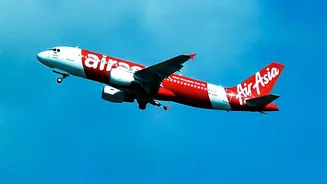
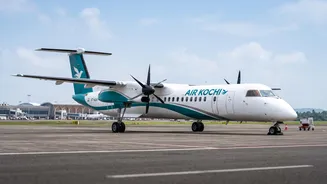
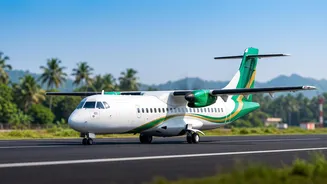
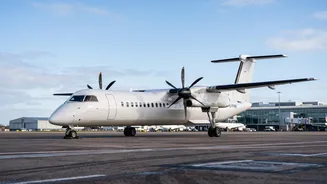
The proposed airline, tentatively named 'Co-Keralam', is a pioneering initiative in Indian aviation. Instead of being owned by a single corporation or the government, it will be funded by a collective of around 200 cooperative societies and Non-Resident Indians (NRIs). This model is inspired by the successful public-private partnership of Cochin International Airport Ltd (CIAL). The project is spearheaded by C.N. Vijayakrishnan, chairman of the MVR Cancer Centre, and has received initial approval from the state government, which will also have a stake with the Chief Minister and Cooperation Minister proposed to be on the board. The airline plans to start operations by leasing two 72-seater aircraft, aiming to make air travel more affordable and accessible.
The Crucial Role of Regional Connectivity
The entire strategy of Co-Keralam is built around enhancing regional connectivity. For a geographically long state like Kerala, travel between its northern and southern districts can take 10-12 hours by road. While the state has four international airports, direct flights between its own cities and to nearby towns in neighbouring states are lacking. This is the gap Co-Keralam aims to fill. The initial plan involves connecting its proposed base in Kochi with destinations within Kerala like Kozhikode and Kannur, and to nearby southern Indian cities including Bengaluru, Chennai, Coimbatore, and Madurai. This focus on short-haul routes is designed to cater to business travellers, tourists, and the large NRI population seeking quicker connections from major airports to their hometowns.
Boosting Tourism and Business
By making travel between key southern destinations faster and cheaper, the airline aims to unlock significant economic potential. Proponents believe it will provide a major boost to tourism, allowing visitors to easily combine destinations in south, central, and north Kerala within a single trip. For example, a tourist landing in Kochi could take a short flight to explore the backwaters of Alappuzha and then another to the beaches of Kannur. This improved accessibility could also make Kerala a more attractive destination for MICE (Meetings, Incentives, Conferences, and Exhibitions) tourism. For businesses, the ease of travel can facilitate commerce and investment across the southern states.
Navigating Inherent Challenges
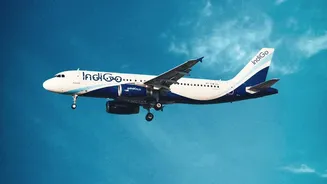
Despite the bold vision, the path ahead is filled with turbulence. The Indian aviation market is notoriously competitive and capital‐intensive, with a history of even well‐funded airlines failing. Co‐Keralam will face stiff competition from established giants like IndiGo and the Air India group, which dominate the domestic market. The cooperative model, while innovative, is untested in this sector and will need to prove its financial viability. The airline must secure all necessary regulatory approvals from the Directorate General of Civil Aviation (DGCA), lease aircraft, establish operational infrastructure, and manage fluctuating costs like aviation turbine fuel. Furthermore, the success of regional routes often depends on consistent passenger demand, which can be challenging to maintain.