




The Sweet Taste of Celebration
Across India, festivals like Diwali and Navratri are inseparable from food, especially the vast array of milk-based sweets known as mithai. These aren't just desserts; they are offerings, gifts, and a cornerstone of community celebration. During this
period, demand for key ingredients like khoya (milk solids), ghee (clarified butter), and paneer (a fresh, unaged cheese) skyrockets. Legitimate producers struggle to keep up with the explosive demand, creating a critical gap in the market. This gap is eagerly filled by unscrupulous operators looking to make a quick profit, often by cutting corners and compromising on safety and quality. The result is an annual, nationwide battle between celebration and caution, where the vibrant food culture is threatened by dangerous fakes.
An Unappetizing Ingredient List
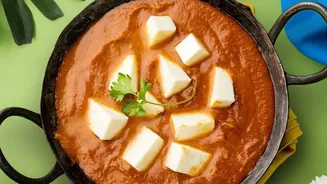
Food adulteration during the festive rush isn't just about watering down milk; it involves a stomach-churning list of industrial chemicals and cheap substitutes. Synthetic milk, a concoction of detergent, urea, caustic soda, and shampoo, is sometimes used to create counterfeit dairy products. Khoya, the base for many sweets, is bulked up with starch, flour, and even blotting paper. Paneer has been found to be made with fillers like starch or, more alarmingly, curdled using substances like detergent or sulfuric acid. The shimmering, edible silver foil (vark) that decorates many sweets is often replaced with industrial-grade aluminum, which can be toxic. These adulterants not only cheat consumers but pose significant health risks, from stomach ailments and allergic reactions to long-term liver and kidney damage, and even cancer.
The Festive Crackdown
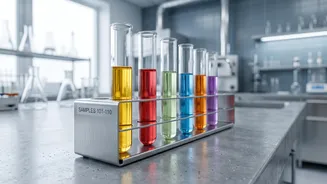
In response, India's food safety regulator, the Food Safety and Standards Authority of India (FSSAI), orchestrates an annual pre-festive crackdown. The agency directs states to intensify inspections, particularly in known production hubs and markets. In recent weeks, these drives have resulted in massive seizures. For instance, food safety teams in Delhi destroyed over 4,100 kg of suspected adulterated khoya and paneer, while officials in the neighboring Mewat region seized more than 10,000 kg of contaminated paneer. The FSSAI also deploys mobile testing vans, called 'Food Safety on Wheels,' to provide on-the-spot checks and raise consumer awareness. To improve tracking, authorities have been instructed to log all inspection and sampling data into a real-time digital system, aiming to create a more transparent and responsive enforcement network.
A System Under Unrelenting Pressure
Despite these efforts, tackling food adulteration in India is a monumental challenge. The sheer scale of the country, combined with a vast, fragmented, and often unregistered food production sector, makes comprehensive monitoring nearly impossible. There is a severe shortage of food safety officers; for example, the city of Hyderabad has nearly 75,000 eateries but fewer than 20 inspectors. Many illicit producers operate out of temporary, hidden locations, making them difficult to track. Furthermore, legal penalties are often not stringent enough to serve as a powerful deterrent. This combination of high economic incentive, complex supply chains, and regulatory gaps ensures that the problem persists year after year, forcing authorities into a reactive cycle of raids and seizures rather than a preventive stance.